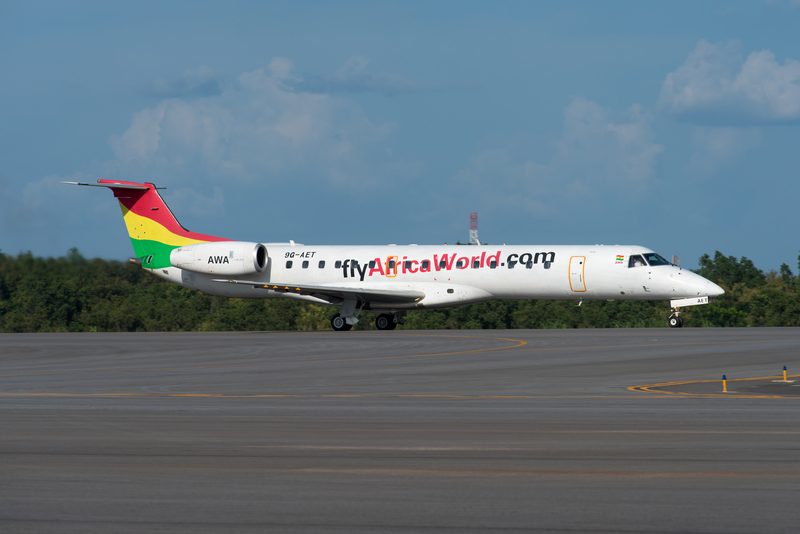
Africa World Airlines (AWA) is evaluating a move to larger aircraft as it looks to push beyond the practical limits of its current Embraer ERJ-145 fleet and open up longer, higher-demand regional flying from Accra Kotoka International Airport (ACC).
AWA has built its brand on reliable, high-frequency service in West Africa using the ERJ-145, a type known across the region for its ruggedness and straightforward economics on shorter sectors. But as the airline’s network ambitions grow, so does the need for more seats, more range, and more payload flexibility than a 50-seat regional jet can consistently offer.
Why the ERJ-145 Is Starting to Hold AWA Back
The Embraer ERJ-145 has been the backbone of AWA’s operation since its 2012 launch for good reason: it’s relatively simple to operate, performs well in hot-and-high conditions common in parts of Africa, and is well suited to thinner markets where frequency matters more than gauge.
Read our stories in your inbox
Two aviation newsletters. Zero fluff.
The tradeoff is that the aircraft imposes real limits on network design. With its smaller cabin and narrower payload margins, it can make some longer regional routes difficult to operate efficiently—especially if the airline needs to protect performance in adverse weather, keep adequate fuel reserves, or preserve baggage and cargo uplift. That matters in West Africa, where passenger loads can be strong but yield and cargo contribution can be just as important for profitability.
There’s also the fleet-planning reality: AWA has previously explored adding more ERJ-145s, but securing younger airframes has become harder. As global fleets age and parts/support ecosystems evolve, sourcing the “right” used regional jets at the right price becomes less predictable—particularly for an airline trying to avoid taking on older, maintenance-heavy metal.
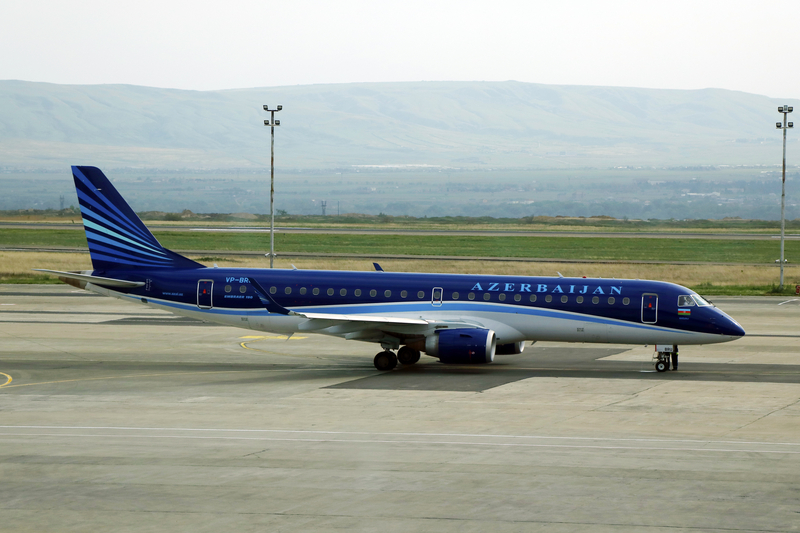
Why E190-Class Aircraft Are a Logical Next Step
AWA has indicated it is assessing larger options, with Embraer’s E190 family frequently cited as the most natural step up. From a network planning standpoint, E190-class jets can change the economics of a route without forcing an airline into full narrowbody complexity.
For an airline like AWA, the advantages are structural:
A higher-capacity aircraft increases seat supply per departure, which can lower unit costs on routes where demand is already established. It also enables more revenue opportunities from baggage and belly cargo—important in regional West Africa markets where cargo and commercial uplift can meaningfully support route performance.
Range also matters. Longer missions such as ACC–Dakar (DSS) become more viable, and the airline gains flexibility to serve new city pairs that are currently at the edge of what a small regional jet can do comfortably while still meeting operational reserves and performance requirements.

Operationally, staying within Embraer can help reduce the “fleet complexity penalty.” While any new type requires training, spares planning, and maintenance capability adjustments, moving from the ERJ family to the E-Jet family is still a narrower leap than introducing a completely different manufacturer or stepping into Boeing 737/Airbus A320 territory.
Network Growth: Building Around Accra (ACC)
AWA continues to run a hub-and-spoke model centered on Accra (ACC), with domestic services linking key Ghanaian cities and regional connectivity that ties Ghana into the wider West African market. The airline has also reported strong performance on its newer regional flying, reinforcing that there is demand for more point-to-point access into ACC beyond the traditional trunk routes.
Crucially, AWA says it is studying at least two additional destinations and is relying on demand and data rather than rapid expansion. That’s consistent with the strategic reality of the region: frequency and reliability drive loyalty, but sustainable growth usually comes from adding the right capacity at the right time—not simply adding new dots on a map.
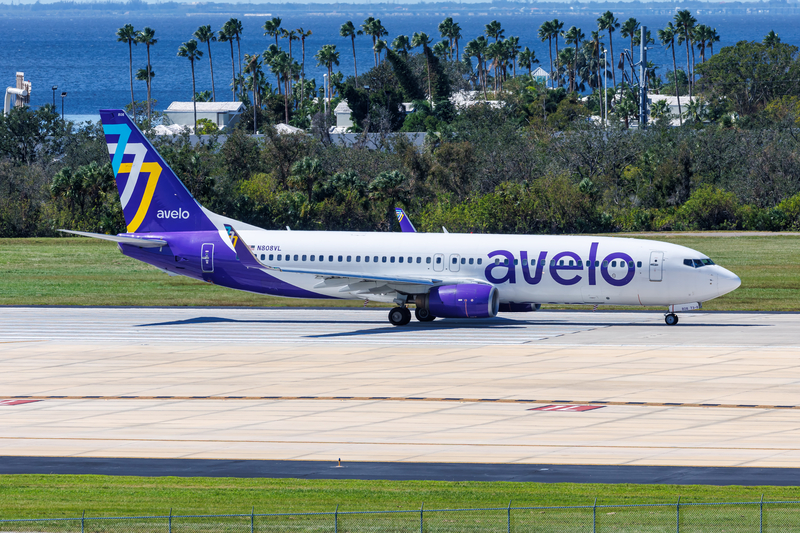
A larger-gauge aircraft would let AWA expand in a more scalable way: fewer departures with more seats where demand supports it, while retaining ERJ-145 frequency where markets remain thin or schedule flexibility is the product.
What to Watch Next
If AWA decides to move up in aircraft size, the early signals will likely appear before a formal fleet announcement:
Leasing activity or short-term lift (including trial deployments) often shows up first, especially if the airline wants to validate economics before committing. You may also see schedule shifts on high-demand routes—either fewer frequencies with larger aircraft or improved timings designed around better connections at ACC.
Finally, watch for route announcements that have been “range-limited” until now. The quickest path to making a larger aircraft pay is deploying it on markets that already show consistent demand but have been artificially constrained by the smaller jet’s seat count or performance envelope.
Bottom Line
Africa World Airlines’ ERJ-145 fleet has been an excellent match for short-haul West African flying, but its limited range and capacity increasingly restrict where the airline can grow next. Moving up to an E190-class aircraft would give AWA more seats, better payload flexibility, and access to longer regional markets from Accra (ACC) — while still keeping fleet complexity manageable for a carrier focused on measured, reliability-driven expansion.
Keep reading FlyMag
Get the Daily Brief in the morning or the Route Watch weekly recap on Fridays. Or both.