Southwest Adds Singapore Airlines As Its Asia Partnership Strategy Gains Momentum
Southwest Airlines has added Singapore Airlines to its growing international partnership portfolio, giving travelers a new way to combine Southwest’s domestic U.S. network with one of Asia’s most important long-haul carriers.


The new interline agreement allows customers to book single-ticket journeys involving both airlines through three West Coast gateways: Los Angeles International Airport (LAX), San Francisco International Airport (SFO), and Seattle-Tacoma International Airport (SEA). Singapore Airlines serves all three from its global hub at Singapore Changi Airport (SIN), while Southwest offers broad domestic connectivity at each U.S. gateway.
Tickets are now available through Singapore Airlines, travel agents, and third-party booking channels. At launch, this is not a Southwest.com booking product. It is an interline arrangement designed primarily to place Southwest-operated U.S. domestic segments behind or beyond Singapore Airlines long-haul flights.
Read our stories in your inbox
Two aviation newsletters. Zero fluff.
For Southwest, the deal is another clear sign that the airline’s international strategy is changing. For Singapore Airlines, it adds U.S. domestic feed in a market where nonstop long-haul flying is strong, but onward connectivity can still be a competitive differentiator.
A New Bridge Between Southwest And Singapore Airlines
The partnership connects two very different airline models.
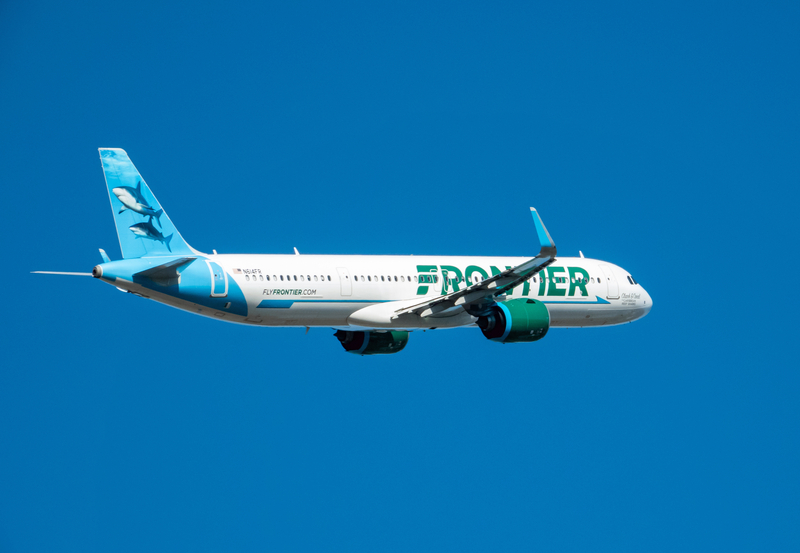
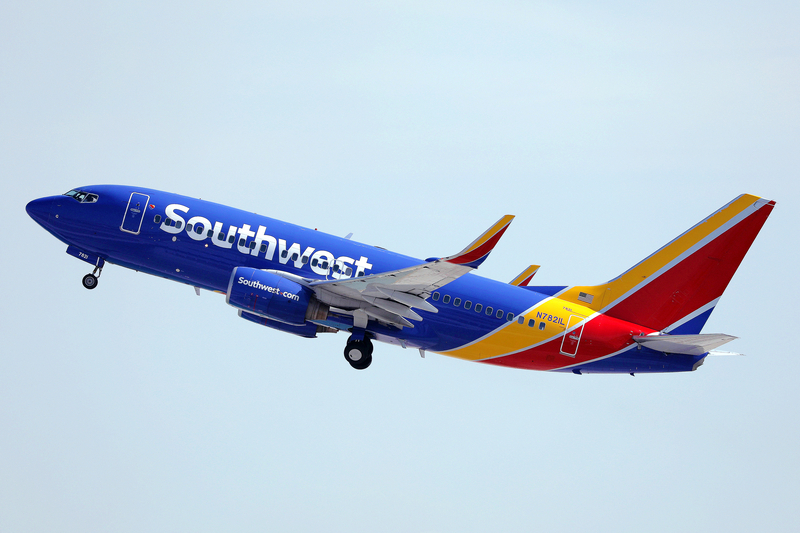
Southwest is a large U.S. domestic and near-international carrier built around a single-aisle Boeing 737 fleet, high aircraft utilization, and a broad point-to-point network. Singapore Airlines is a premium global network carrier centered on Changi Airport (SIN), with long-haul operations built around widebody aircraft such as the Airbus A350-900, Airbus A380-800, Boeing 777-300ER, and Boeing 787-10.
The interline agreement gives passengers the ability to combine those networks on one itinerary. In practical terms, a traveler could fly Singapore Airlines from Singapore (SIN) to Los Angeles (LAX), San Francisco (SFO), or Seattle (SEA), then connect to a Southwest flight to another U.S. city. The flow also works in reverse, allowing U.S. travelers to begin on Southwest and connect to Singapore Airlines for Asia and beyond.
That matters because Singapore Airlines’ U.S. network is long-haul-heavy. Its flights from Singapore (SIN) to the U.S. West Coast are among the longest routes in commercial aviation, particularly the nonstop services operated by Airbus A350 long-haul and ultra-long-range variants. The challenge for any foreign carrier in the United States is what happens after the long-haul flight lands. A passenger bound for Sacramento, Las Vegas, Phoenix, Denver, Austin, Nashville, or other Southwest-heavy markets may not want to self-connect on separate tickets.
This agreement makes that process cleaner.
Why The West Coast Gateways Matter
The initial gateway list is exactly what would be expected: Los Angeles (LAX), San Francisco (SFO), and Seattle (SEA).
All three airports sit in strong transpacific catchment areas. They are major U.S. West Coast gateways with deep business, leisure, technology, education, and visiting-friends-and-relatives traffic flows to Asia. They are also airports where Southwest has meaningful relevance, even if it is not always the dominant carrier.
Los Angeles (LAX) gives the partnership access to one of the largest international markets in the United States. Singapore Airlines has long served LAX, and the airport offers a large local market as well as onward demand across Southern California and the western U.S. Southwest’s operation at LAX is not the same kind of fortress presence it has at some other airports, but it still provides useful domestic feed and brand familiarity.
San Francisco (SFO) is especially important because of the Bay Area’s ties to Southeast Asia, India, technology, finance, and premium business traffic. Singapore Airlines’ SFO operation is one of the carrier’s most important U.S. West Coast links, and Southwest can offer additional access to domestic points that may not be as easily served through traditional alliance channels.
Seattle (SEA) is the third piece of the puzzle. Singapore Airlines’ Seattle service connects Singapore (SIN) with a major Pacific Northwest business and technology market. Southwest’s SEA network gives the partnership access to additional U.S. domestic traffic, even though Seattle is also a major Alaska Airlines hub. For Southwest, being part of the connection option at SEA helps keep the airline relevant in a market where international feed is increasingly important.
This Is An Interline Deal, Not A Full Alliance Partnership
The distinction is important. This is not a codeshare, joint venture, or alliance membership arrangement.
An interline agreement allows the airlines to coordinate a passenger itinerary across both carriers. Customers can book a single ticket, and baggage can typically be checked through to the final destination, subject to the itinerary and airport procedures. That is materially better than a self-connect, where a passenger books two separate tickets, collects baggage, rechecks it, and assumes more risk if the first flight is delayed.
But an interline agreement does not automatically mean full frequent flyer reciprocity, shared elite benefits, coordinated schedules, or revenue sharing. It also does not mean Southwest is joining Star Alliance, even though Singapore Airlines is one of Star Alliance’s most important members.
For now, this is a commercial connectivity deal. It opens Southwest’s domestic network to Singapore Airlines customers and gives Southwest passengers more international booking options through partner channels. That is still a major step for an airline that spent most of its history avoiding deep international partnerships.
ID 331012453 © Boarding1now | Dreamstime.com
Southwest’s Partnership Portfolio Is Growing Quickly
Singapore Airlines becomes Southwest’s eighth overseas airline partner.
The current portfolio includes Icelandair, China Airlines, EVA Air, Philippine Airlines, Condor, Turkish Airlines, All Nippon Airways, and now Singapore Airlines. That list is revealing. Southwest is not building one alliance relationship. It is building a multi-partner international access strategy across Europe, Asia, the Middle East, and the Pacific.
The progression is striking because Southwest historically stood apart from the global airline partnership model. It did not build its business around codeshares, alliances, or international feed. Its strength was a massive domestic network, a simple product, and a customer proposition that was easy to understand.
That model is now evolving. The airline has introduced assigned seating, Extra Legroom options, revised fare bundles, updated boarding, and a growing number of international airline relationships. The Singapore Airlines agreement fits into that broader transformation.
For Southwest, the logic is straightforward. It already carries a large share of U.S. domestic passengers. International partners can place more traffic onto Southwest flights without requiring Southwest to buy widebody aircraft, launch long-haul routes, or join a global alliance.
In other words, Southwest can participate more meaningfully in global itineraries without becoming a traditional global network airline.
Why Singapore Airlines Makes Strategic Sense
Singapore Airlines is one of the strongest partners Southwest could add in Asia.
The SIA Group, which includes Singapore Airlines and Scoot, serves more than 130 destinations across 35 countries and territories. Through Changi Airport (SIN), passengers can connect across Southeast Asia, South Asia, North Asia, Australia, New Zealand, and parts of Europe and Africa. That gives Southwest customers access to a far wider map than Southwest could ever serve on its own metal.
The airline also brings a premium reputation that fits Southwest’s current effort to modernize its own product. Singapore Airlines is known for service quality, long-haul cabin consistency, and strong premium demand. Southwest is not trying to match that type of long-haul product, but it is trying to make itself more attractive to travelers who expect seat assignments, more choice, and smoother connections.
The timing is also important. Southwest’s new assigned-seating era began in early 2026, with Extra Legroom seats, Preferred seats, and Standard seats now part of the airline’s cabin structure. Those changes make Southwest easier to sell in international itineraries, especially to passengers who may be unfamiliar with the carrier’s former open-seating model.
For a Singapore Airlines passenger connecting from a 15- to 17-hour long-haul flight, predictability matters. A single ticket, checked-through baggage, and an assigned seat on the Southwest connection make the experience more understandable.
Aircraft And Product Differences Will Be Noticeable
Passengers booking these itineraries should expect a very different onboard experience between the two airlines.
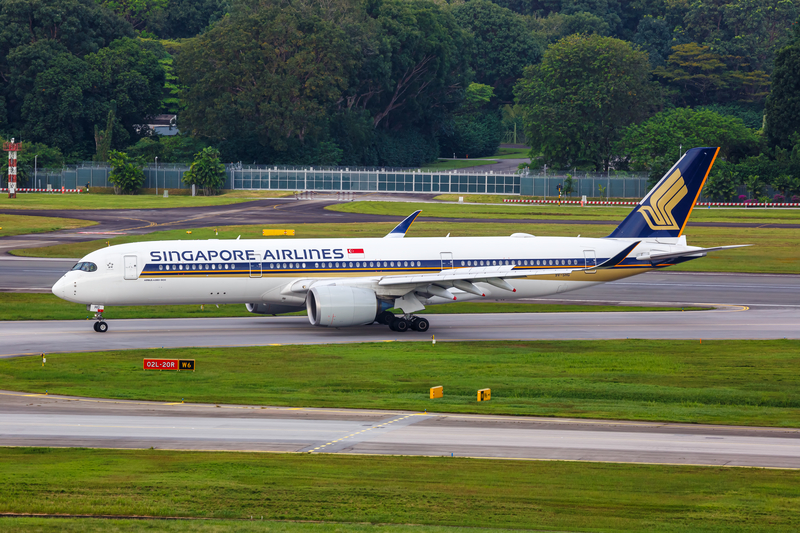
Singapore Airlines’ U.S. West Coast flying is built around long-haul widebody aircraft, including Airbus A350 variants that are designed for ultra-long-range missions. The A350-900 and A350-900ULR are central to Singapore Airlines’ nonstop U.S. strategy, offering long range, lower cabin altitude compared with older-generation aircraft, improved cabin humidity, and premium-heavy configurations on select routes.
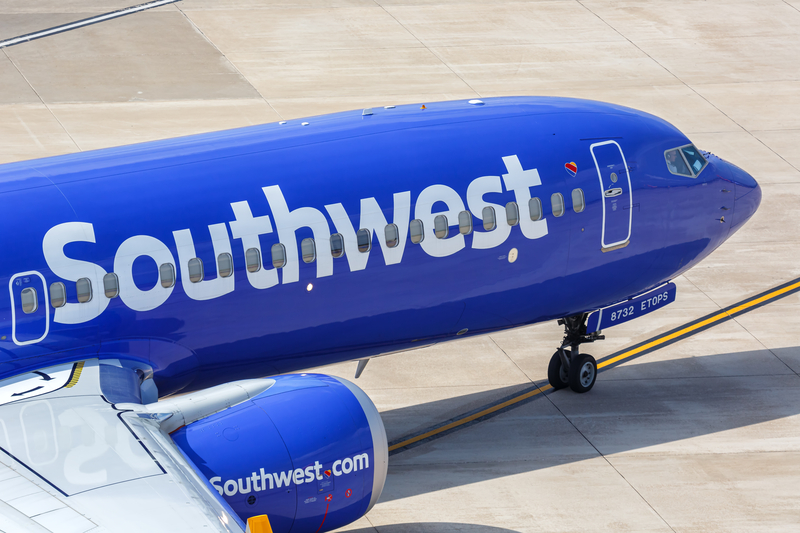
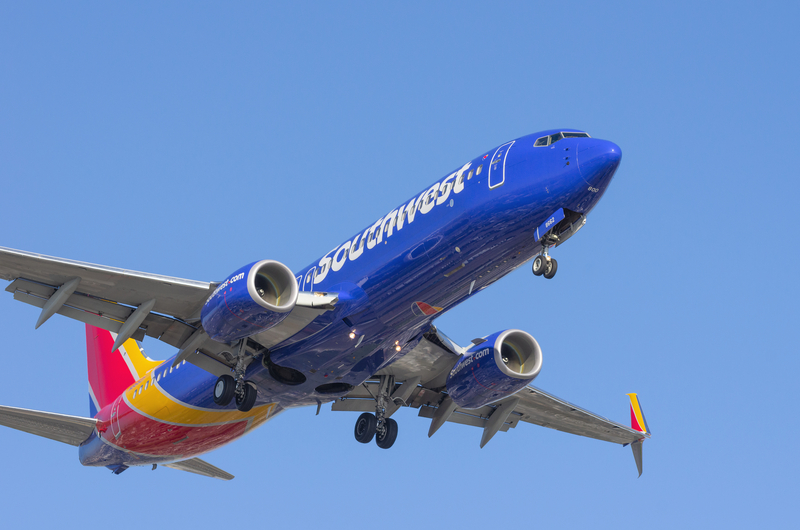
Southwest, by contrast, remains an all-Boeing 737 operator. Its fleet includes Boeing 737-700s, 737-800s, and 737 MAX 8s, with the MAX 8 now important to the airline’s newer cabin investments. Southwest’s newer 737 MAX 8 aircraft include features such as in-seat power ports and larger overhead bins, and the airline is continuing to add onboard improvements across the fleet.
The product gap is not a flaw in the partnership; it is the nature of interline connectivity. A passenger may fly Singapore Airlines Business Class or Premium Economy across the Pacific, then connect to a Southwest domestic segment with a very different cabin structure. Southwest now offers Extra Legroom seats and revised fare products, but it does not offer a long-haul-style premium cabin.
That means booking channels and travel advisors will need to set expectations clearly. The value proposition is not a seamless premium cabin from end to end. It is a more convenient itinerary that combines Singapore Airlines’ long-haul network with Southwest’s domestic reach.
What Passengers Gain
The biggest passenger benefit is simplicity.
Before this kind of partnership, a traveler could still combine Singapore Airlines and Southwest, but doing so often meant separate tickets. That creates risk. If the inbound long-haul flight is late, the domestic connection is not protected in the same way. Baggage may need to be collected and rechecked. A schedule change on one ticket does not necessarily account for the other.
With an interline itinerary, the trip becomes more cohesive. The passenger can book one journey, connect at LAX, SFO, or SEA, and have the airlines coordinate the itinerary more effectively.
That is especially useful for Singapore Airlines customers traveling beyond the largest U.S. international gateways. The United States is not just New York, Los Angeles, San Francisco, and Seattle. Many passengers need to reach midsize or leisure-heavy markets where Southwest has strong service. This agreement helps place those cities within easier reach of Singapore Airlines’ global network.
It also helps U.S.-originating passengers. A traveler from a Southwest city can now more easily connect onto Singapore Airlines through LAX, SFO, or SEA for travel to Singapore (SIN), Southeast Asia, India, Australia, and other markets served through the SIA Group network.
What Southwest Gains
For Southwest, the agreement is another way to monetize its domestic scale.
The airline operates at nearly 120 airports across its network, and international carriers want access to that domestic reach. Rather than forcing partners to rely only on alliance carriers or self-connect passengers, Southwest can now offer structured connectivity through selected gateways.
This is particularly valuable because Southwest does not need to operate long-haul aircraft to benefit from long-haul demand. It can feed passengers to Singapore Airlines at LAX, SFO, and SEA, while also receiving inbound travelers from Singapore Airlines who are heading deeper into the U.S.
The agreement also supports Southwest’s broader repositioning. The airline is trying to appeal to a wider range of travelers, including those who want more certainty, seat choice, extra space, and international connectivity. Partnerships like this help Southwest look less isolated from the global airline system.
That does not mean Southwest is abandoning its identity. It remains a domestic-focused 737 operator with a very different business model from Singapore Airlines. But it is becoming more willing to connect its network to global carriers where the commercial logic is strong.
A Competitive Move On The Pacific
The Singapore Airlines deal also has competitive implications.
Transpacific traffic from the U.S. West Coast is highly contested. United Airlines has a major presence at San Francisco (SFO), Delta Air Lines is strong in Seattle (SEA), and American Airlines remains an important international player at Los Angeles (LAX), although its Asia network has shifted over time. Alaska Airlines, now combined with Hawaiian Airlines, is also a major factor in West Coast and Pacific connectivity.
Singapore Airlines already has strong U.S. gateway service, but additional domestic feed can help protect and grow those flights. Southwest gives SIA access to a customer base that may not naturally book through a traditional alliance itinerary.
For Southwest, the partnership keeps it involved in international flows at airports where global connectivity matters. It is not joining Star Alliance, and it is not operating to Singapore (SIN). But it is inserting itself into the journey in a way that can generate incremental passengers and revenue.
This is the practical future of Southwest’s partnership strategy: selective international interline deals that expand relevance without requiring a full network-airline transformation.
Bottom Line
Southwest Airlines’ new interline agreement with Singapore Airlines is a significant addition to the carrier’s fast-growing international partnership portfolio.
The deal gives travelers single-ticket access across Los Angeles (LAX), San Francisco (SFO), and Seattle (SEA), linking Singapore Airlines’ Changi Airport (SIN) hub and wider SIA Group network with nearly 120 Southwest-served airports. It also gives Singapore Airlines more U.S. domestic reach without needing to rely only on traditional alliance partners.
For Southwest, the move fits neatly into a larger transformation that now includes assigned seating, Extra Legroom seats, new fare bundles, and a more serious approach to international connectivity. The airline is still not a global long-haul carrier, and it is not trying to become one overnight. But it is increasingly finding ways to attach its domestic network to the global aviation system.
For passengers, the value is simple: easier connections, one-ticket itineraries, and better access between the United States and Singapore Airlines’ powerful Asia-Pacific network. For the industry, the message is bigger. Southwest’s partnership era is no longer experimental. It is becoming a core part of the airline’s next chapter.
Keep reading FlyMag
Get the Daily Brief in the morning or the Route Watch weekly recap on Fridays. Or both.