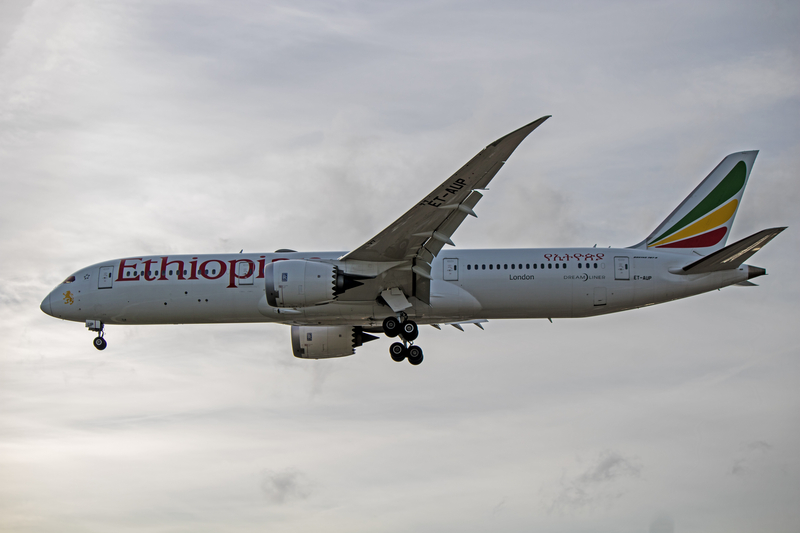
Ethiopian Airlines is pausing passenger service to Atlanta in early February, a notable pullback from one of its highest-profile U.S. markets. Schedule filings indicate the route will be taken off the timetable for several months before returning for the summer peak.

Atlanta service pauses in February, returns in early June
Ethiopian’s Addis Ababa–Rome–Atlanta service (ET518) is set to end on February 1, 2026, while the return Atlanta–Addis Ababa flight (ET519) is set to end on February 2, 2026. Service is currently shown resuming on June 2, 2026, increasing to four flights per week using the Boeing 787-8.
Current filed schedule (from June 2, 2026)
| Flight | Routing | Frequency | Notes |
|---|---|---|---|
| ET518 | ADD–FCO–ATL | 4x weekly | Returns June 2 |
| ET519 | ATL–ADD | 4x weekly | Returns June 2 |
Why this route is especially hard to sustain
Atlanta is a tough market for any foreign long-haul carrier without a deep local partner presence. Even when a route has strong origin-and-destination traffic, year-round profitability often depends on reliably feeding passengers beyond the gateway—especially during weaker shoulder and winter periods.
Read our stories in your inbox
Two aviation newsletters. Zero fluff.
Ethiopian’s Atlanta route also has an operational complexity on the eastbound side (via Rome), which can make costs and scheduling less flexible than a true nonstop in both directions.
Policy headwinds could pressure Africa–U.S. connecting demand
Another potential pressure point in 2026 is the tighter U.S. entry and visa environment affecting multiple countries that historically contribute to Africa–U.S. connecting flows.

A U.S. State Department notice says Presidential Proclamation 10998 took effect January 1, 2026, fully or partially suspending visa issuance/entry for nationals of 39 countries (with specified exceptions). This includes full suspensions for 19 countries and partial suspensions for another 19, plus Turkmenistan for certain immigrant visas.
Ethiopian has not publicly tied Atlanta’s suspension to this policy in the schedule notice itself, but changes like this can weaken demand—particularly for itineraries that rely on onward connections and new visa issuance.
What happens next
If the June restart holds, the key question will be whether the route can build stronger peak-season performance and shoulder-season resilience. A summer-heavy pattern—pause in late winter/early spring, return for June–August—often signals that an airline is trying to keep a strategic market presence while limiting exposure during historically weaker months.
For travelers, the practical implication is simple: Atlanta won’t be available on Ethiopian for several months, so itineraries may shift to other U.S. gateways (or to other carriers) until the route returns.
Bottom Line
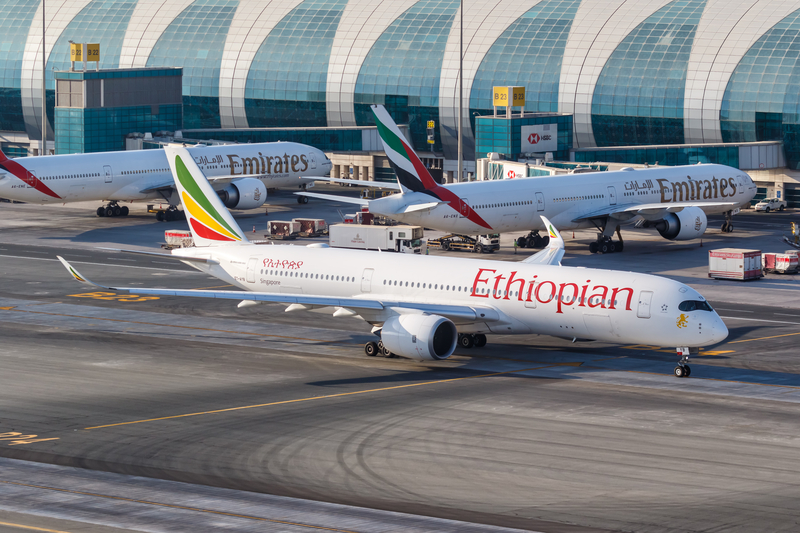
Ethiopian Airlines’ Atlanta service is slated to pause after early February 2026 and return June 2, 2026, per schedule filings. The move highlights how difficult it can be to sustain long-haul service at a mega-hub without extensive local feed—especially as broader policy and demand factors shift heading into 2026.
Keep reading FlyMag
Get the Daily Brief in the morning or the Route Watch weekly recap on Fridays. Or both.