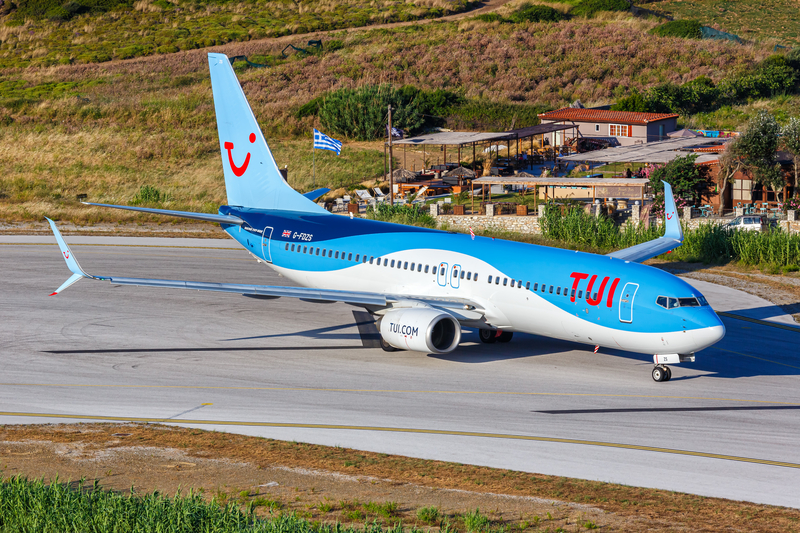
TUI is adding 68 extra flights to Spain and Greece in April 2026, injecting roughly 10,000 additional seats into two of Europe’s most dependable summer leisure markets.

On one level, that is a straightforward capacity increase. On another, it is a clear signal about how the German outbound holiday market is behaving this year. TUI is not chasing speculative long-haul demand or fringe leisure niches. It is putting more lift into proven Mediterranean routes from major German airports because that is where booking momentum is strongest.
For aviation readers, that is the real story. This is not just a tour operator topping up seats. It is a visible readout of where demand is concentrating, how quickly it is building, and which parts of the short-haul leisure market are now being treated as the safest place to add capacity.
Read our stories in your inbox
Two aviation newsletters. Zero fluff.
Spain And Greece Are Winning For Different Reasons
The extra flights are focused on destinations that have long been pillars of the German holiday market: Mallorca Airport (PMI), Fuerteventura Airport (FUE), Gran Canaria Airport (LPA), Lanzarote Airport (ACE), plus the Greek island markets of Crete and Rhodes.
That mix tells you a lot.

Spain remains the classic volume play. The Balearics and Canaries offer familiarity, infrastructure depth, and strong shoulder-season demand, all of which make them ideal for a late capacity injection. Greece, meanwhile, continues to benefit from strong island demand and a perception among many travelers that it offers a balance of familiarity, quality, and predictable leisure value.
Together, the two countries are now effectively running neck-and-neck in TUI’s German booking data, which says a great deal about how concentrated mainstream summer demand has become.
The German Airport Spread Matters
The added flights will depart from Hanover Airport (HAJ), Stuttgart Airport (STR), Düsseldorf Airport (DUS), Frankfurt Airport (FRA), and Munich Airport (MUC).
That airport list is important because it shows TUI is spreading the capacity across Germany’s main leisure catchments rather than loading everything through one or two mega-gateways. That is exactly how a vertically integrated leisure operator should respond when package demand is rising broadly rather than in one isolated metro market.
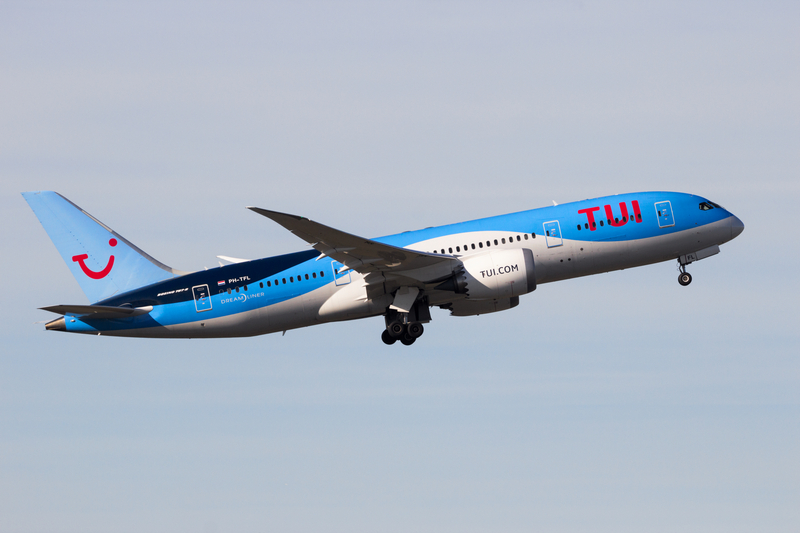
TUI Activates Middle East Repatriation Flights as Gulf Hubs Reopen in “Recovery Mode”
It also reinforces the role of Germany as one of Europe’s most important outbound holiday engines. When TUI Germany adds flights, it is not simply reacting to airline demand in isolation. It is adjusting a wider ecosystem of package sales, tour inventory, hotel allotments, and airport departures.
This Is A Capacity Move, But Also A Confidence Signal
Adding 68 flights in April is a sign of confidence.
Airlines and tour operators do not usually add this much extra flying close to the season unless they believe the bookings are there and the markets are resilient enough to absorb more supply. In TUI’s case, that confidence appears to be rooted in a wider pattern: around 75% of bookings are now concentrated in European destinations.
That number matters because it shows how far demand has shifted toward shorter-haul, more predictable holiday markets. Travelers are not necessarily becoming less willing to travel. But many are clearly favoring destinations that feel reliable, familiar, and easier to plan around.
From a network perspective, that kind of concentration encourages exactly the behavior TUI is now showing: add more capacity where the risk is lowest and the booking curve is strongest.
Spain Still Looks Like The Structural Giant
TUI fly Deutschland’s wider network puts the expansion into context.
The airline currently operates more than 560 weekly flights across the Mediterranean, the Canary Islands, Cape Verde, and the Red Sea, with about 3 million seats. Within that, Spain remains the largest single market, with more than 220 weekly flights, including about 80 to Mallorca alone.
That is why extra April flying to Spanish points is so logical. Spain is not just a strong market for TUI. It is the backbone of the carrier’s short-haul leisure system. If demand surges, Spain is naturally where the easiest and most commercially credible additional lift can be placed.
Greece Continues To Close The Gap
What is perhaps more interesting is how strongly Greece continues to perform.
TUI has already been signaling for months that Greece is booking exceptionally well for 2026, and current flight levels of more than 180 weekly services underline how large the market has become within the airline’s German program. Crete and Rhodes remain the obvious heavyweights, but the wider picture is one of sustained Greek strength rather than just one or two islands doing well.
That matters because it suggests Greece is not merely having a good season. It is strengthening its structural position in the German outbound market.
For airlines and tour operators, that changes planning assumptions. A market that consistently books early and books deep is a market where extra flights become easier to justify.
The Bigger Takeaway Is About Risk Appetite
The most interesting aspect of this story is not the exact number of flights. It is what those flights imply about risk appetite in leisure aviation right now.
TUI is effectively telling the market that mainstream Mediterranean flying remains the strongest place to deploy short-haul leisure capacity. That does not mean other destinations are weak. It means Spain and Greece are currently the most bankable.
In an environment where travelers value predictability and operators want dependable load factors, that is a powerful combination. It is also one reason availability is starting to tighten. When demand concentrates in the safest, most familiar markets, airlines and tour operators have to move quickly or risk leaving money on the table.
Bottom Line
TUI’s decision to add 68 extra flights and about 10,000 additional seats to Spain and Greece in April 2026 is more than a routine schedule adjustment.
It is a clear sign that German summer demand is heavily concentrated in the Mediterranean, with Spain and Greece now leading the market. The new capacity from Hanover (HAJ), Stuttgart (STR), Düsseldorf (DUS), Frankfurt (FRA), and Munich (MUC) will target core leisure destinations such as Mallorca (PMI), Fuerteventura (FUE), Gran Canaria (LPA), Lanzarote (ACE), Crete, and Rhodes.
For aviation professionals, the real message is simple: when booking momentum is this strong, the safest and most familiar short-haul holiday markets become the first place operators add lift. That is exactly what TUI is doing now.
Keep reading FlyMag
Get the Daily Brief in the morning or the Route Watch weekly recap on Fridays. Or both.