TAP Air Portugal is doubling down on Southern Brazil for peak season 2026, adding a fourth weekly frequency on both of its nonstop links between Lisbon and the region: Lisbon (LIS)–Porto Alegre (POA) and Lisbon (LIS)–Florianópolis (FLN). For corporate travel planners, tour operators, and airline network watchers alike, the message is straightforward: the South is no longer “just seasonal demand” — it’s maturing into repeatable, bankable traffic that can sustain incremental widebody capacity.

The timing is no accident. July sits at the intersection of European summer travel, winter break flows out of Brazil’s south, and strong VFR (visiting friends and relatives) demand between Brazil and Portugal. Adding one more rotation per week is a classic airline move: it expands inventory without the risk profile (or crewing complexity) of a full schedule step-change.
Lisbon (LIS)–Porto Alegre (POA): A Fourth Weekly Flight Returns Capacity Where It Matters
From July 6, 2026, TAP will operate four flights per week between Porto Alegre Salgado Filho International Airport (POA) and Lisbon Humberto Delgado Airport (LIS) — with the added frequency operating on Mondays, giving the route a more business-friendly spread across the week.
Read our stories in your inbox
Two aviation newsletters. Zero fluff.
That matters in a market like Porto Alegre, where long-haul connectivity is both high-value and structurally constrained. The TAP service is a unique bridge from Rio Grande do Sul to Europe, and it has carried extra strategic weight since POA’s operations were disrupted by the 2024 floods. This is one of those routes where network planning intersects with regional recovery: restoring and then growing frequency helps rebuild inbound tourism, supports SMEs with Europe-facing supply chains, and improves schedule utility for premium and corporate traffic.
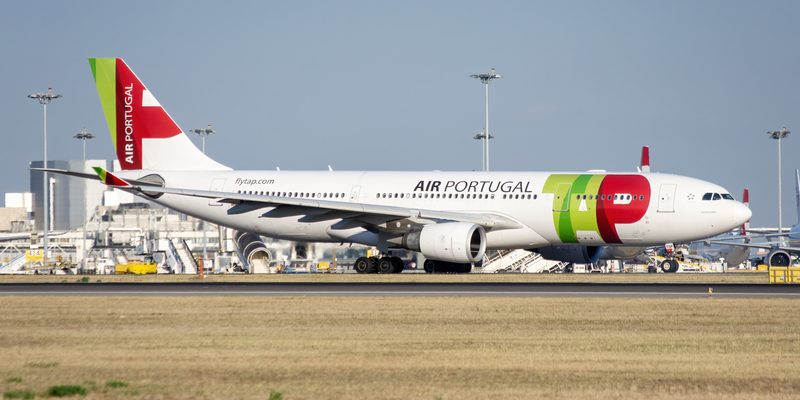
Operationally, TAP has been flying the route with the Airbus A330-900neo, a long-range widebody optimized for exactly this mission profile: high stage length, mixed O&D plus connections, and strong cargo potential. The A330-900neo’s economics are especially relevant when airlines are adding “one more frequency” rather than up-gauging — it’s easier to keep loads healthy and yields protected while still growing total weekly seats.
Lisbon (LIS)–Florianópolis (FLN): The Route That Proved Itself Gets More Lift
On the Santa Catarina side, TAP’s Florianópolis (FLN)–Lisbon (LIS) service continues to build momentum — enough that the airline is adding a fourth weekly frequency starting Sunday, July 5, 2026.
Florianópolis has quietly become one of the more interesting long-haul leisure-and-lifestyle plays in Brazil: a destination market with growing international awareness, a strong domestic feed environment, and a profile that fits premium leisure (especially during Europe’s summer peak). By adding the extra weekly rotation, TAP is effectively increasing the route’s schedule “stickiness,” giving travelers better trip-length options and improving connection reliability at LIS.
From a capacity management perspective, an extra weekly frequency can do more than add seats:
-
It reduces spill (lost demand when the “right day” isn’t available).
-
It improves connection geometry over LIS, especially for short onward flights where missed banks can add hours.
-
It widens the premium window for travelers trying to avoid inconvenient departure days.

Why Lisbon (LIS) Is the Multiplier for Both POA and FLN
For readers who live inside alliance maps and connection matrices, LIS is not just a destination — it’s the value engine.
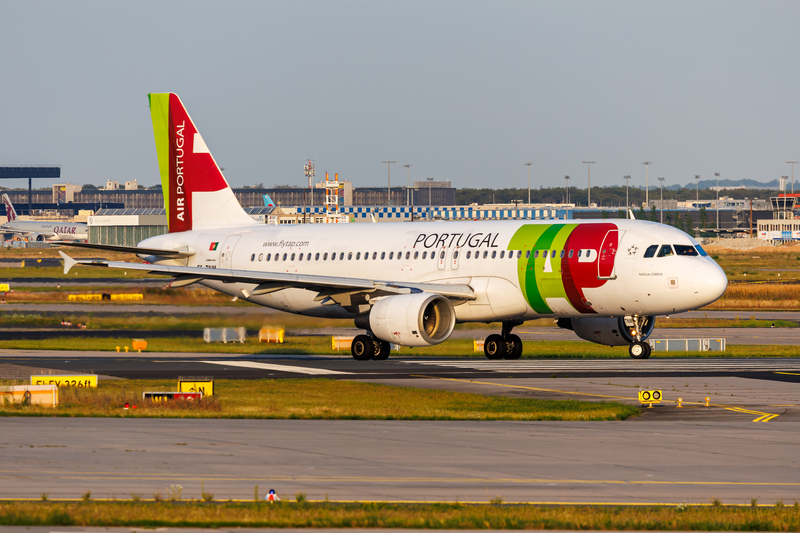
TAP’s LIS hub is built for “Brazil-to-Europe and beyond” flows, and Southern Brazil benefits in a few specific ways:
1) One-stop reach without heavy backtracking
For much of Europe, LIS sits in a sweet spot for South Atlantic flows: short-to-medium onward sectors that preserve total journey time versus some northern hub routings.
2) Consistent onward capacity
Portugal’s geographic position and TAP’s schedule structure make LIS a dependable connector for everything from secondary European cities to parts of North Africa.
3) Alliance and interline utility
Even where TAP isn’t the operating carrier beyond Lisbon, hub connectivity strengthens sellability — especially in corporate channels that prioritize fewer interchanges and cleaner reaccommodation options.
Aircraft and Product: Why the A330-900neo Fits This Growth Strategy
TAP’s use of the Airbus A330-900neo on long-haul Brazil missions is not just about having a modern widebody — it’s about matching aircraft capability to what the route actually needs.
The A330-900neo brings:
-
Long-haul range with a payload profile suited to Brazil–Europe stage lengths
-
Fuel and maintenance efficiency advantages versus older widebody generations
-
Balanced cabin economics for routes that mix premium leisure, VFR, and connecting traffic
-
Meaningful belly cargo capacity, which is often overlooked in passenger-facing route announcements but can materially influence route profitability
For airline professionals, this is the kind of incremental growth that tends to be sustainable. A fourth weekly flight is easier to defend than a dramatic jump in capacity — particularly when markets are still sensitive to macro swings, currency shifts, and competitive scheduling.
Bottom Line
By adding a fourth weekly frequency to both Lisbon (LIS)–Porto Alegre (POA) and Lisbon (LIS)–Florianópolis (FLN) in July 2026, TAP is making a clear statement: Southern Brazil is worth more capacity, more schedule depth, and more commercial attention.
This isn’t flashy growth. It’s disciplined network building — exactly the kind that typically precedes either (a) longer seasonal windows or (b) future frequency increases once performance data confirms the extra lift is sticking.
Keep reading FlyMag
Get the Daily Brief in the morning or the Route Watch weekly recap on Fridays. Or both.