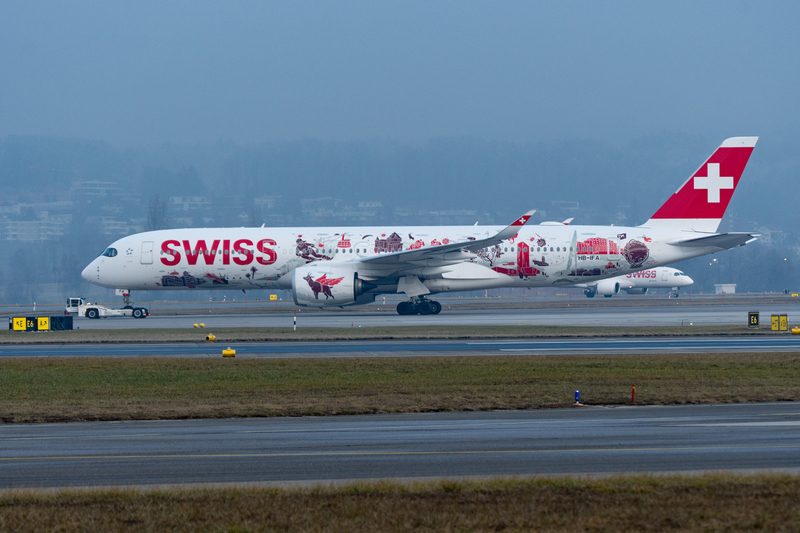
SWISS is expanding its long-haul network with a move that matters for both its India strategy and its premium fleet rollout: the airline will launch its first-ever service to Bengaluru in the 2026/27 winter schedule.

The new route will operate five times weekly from Zurich Airport (ZRH), making Bengaluru SWISS’s third destination in India after Delhi and Mumbai. At the same time, the airline is continuing to spread its new Airbus A350 fleet across more long-haul markets, turning the Bengaluru launch into part of a broader network and product transition rather than a stand-alone route announcement.
For aviation readers, that is the key point. This is not just one new city. It is a sign of where SWISS thinks future premium long-haul demand is strongest.
Read our stories in your inbox
Two aviation newsletters. Zero fluff.
Bengaluru Is A Very Deliberate Addition
SWISS is not launching Bengaluru because it needed another dot on the map. It is launching it because the city fits a very specific profile.
Bengaluru is one of India’s most important technology and innovation centers, with a strong international business base and growing global relevance. For a European network carrier like SWISS, that makes it a highly logical addition: premium demand, corporate travel, and high-value traffic all matter far more on a route like this than simple volume alone.
That is why the airline has framed the route around direct connectivity between Europe and southern India’s expanding tech economy.
Five Weekly Flights Is A Strong Start
The service will operate five times weekly, with eastbound departures from Zurich running every day except Monday and Wednesday, and westbound returns from Bengaluru operating every day except Tuesday and Thursday.
That is a meaningful launch pattern. It gives the route enough scale to matter to business travelers while still leaving SWISS some flexibility during the first full season of operation. Airlines often start cautiously in new long-haul markets, but five weekly flights is more than a token entry. It suggests genuine confidence in the route’s commercial case.
India Is Becoming A Bigger Strategic Market For SWISS
Adding Bengaluru gives SWISS a stronger position in India overall.
Until now, the airline’s Indian network has centered on Delhi and Mumbai, two obvious and established long-haul markets. Bengaluru changes that by adding a city with a different traffic profile — one driven heavily by technology, services, and business connectivity rather than by the broader political and financial weight of India’s traditional gateway cities.
That diversification matters because it makes the India network look more intentional and less concentrated.
The A350 Story Matters Almost As Much As Bengaluru
The other major piece of this announcement is fleet.
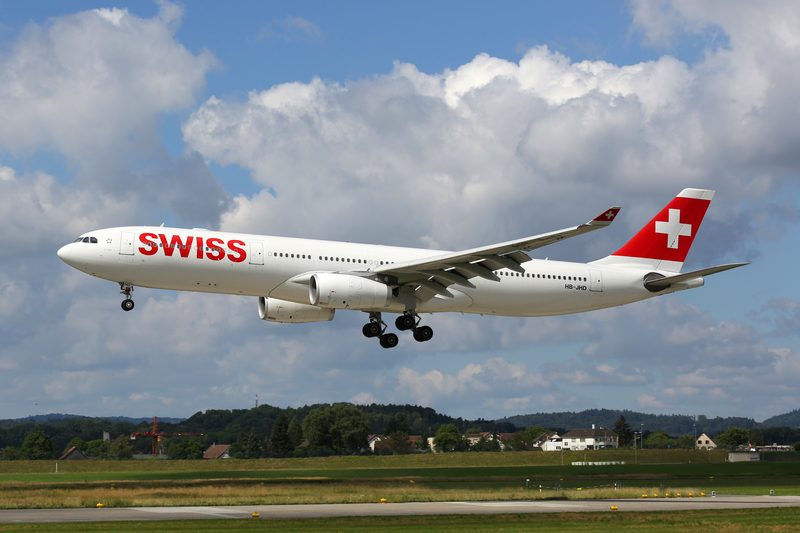
SWISS is continuing to expand use of its new Airbus A350 fleet, extending the carrier’s new SWISS Senses onboard product to more long-haul destinations. The A350 has already been associated with earlier rollout markets such as Boston and Seoul, and the airline is now preparing to bring it to more cities as the fleet grows.
By the end of the year, SWISS expects to have five A350s in service, which is enough to begin making the aircraft a visible and meaningful part of the long-haul operation rather than just a limited flagship novelty.
This Is Really About Product And Network At The Same Time
That matters because airlines do not introduce a new premium long-haul product into the fleet just to park it on one or two showcase routes forever.
The A350 rollout is part of a wider commercial strategy. SWISS is trying to improve long-haul consistency, raise the quality of its premium proposition, and deploy that product on routes where it believes demand can reward the investment. Bengaluru fits that broader thinking very well. It is the kind of market where schedule, cabin quality, and business relevance can all reinforce each other.
Geneva Is Being Cut Back To Help Support The Transition
One of the more revealing parts of the wider winter schedule is that SWISS is also reducing some flying elsewhere.
The airline says several short-haul services from Geneva will be discontinued because of ongoing constraints affecting its Airbus A220 fleet, particularly shortages of aircraft and engine components. That means the airline is not expanding everywhere. It is choosing where to deploy scarce resources and where to trim.
That is an important context point. Bengaluru and the A350 growth are not happening in a vacuum. They are part of a broader network-balancing exercise.
This Looks Like A Transitional Winter For SWISS
The 2026/27 winter schedule therefore looks less like a simple growth season and more like a transition phase.
On one side, SWISS is adding an important new long-haul market and pushing its new premium product further into the network. On the other, it is still dealing with fleet constraints, especially on the short-haul side, and making selective cuts from Geneva to preserve operational stability.
That makes the Bengaluru launch more significant. It is one of the airline’s clearest growth moves in a period when not everything in the network is moving forward at the same pace.
Bottom Line
SWISS’s first-ever flights to Bengaluru are an important addition to the airline’s long-haul network and a strong sign of how seriously it views India’s southern tech market. Operating five times weekly from Zurich, the route gives SWISS a more balanced India portfolio and adds a market with genuine premium and business significance.
Just as importantly, the route sits inside a wider A350 rollout that will shape the airline’s next phase of long-haul growth. Bengaluru is not just a new destination. It is part of how SWISS is choosing to modernize.
Keep reading FlyMag
Get the Daily Brief in the morning or the Route Watch weekly recap on Fridays. Or both.