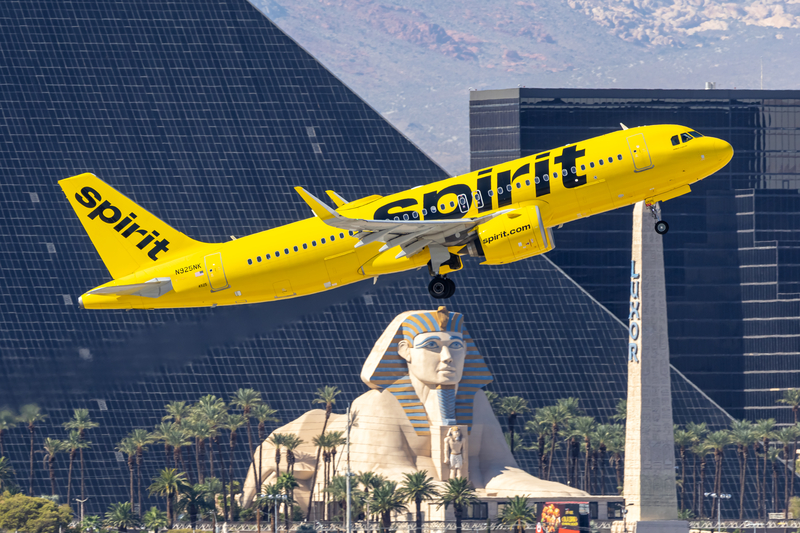
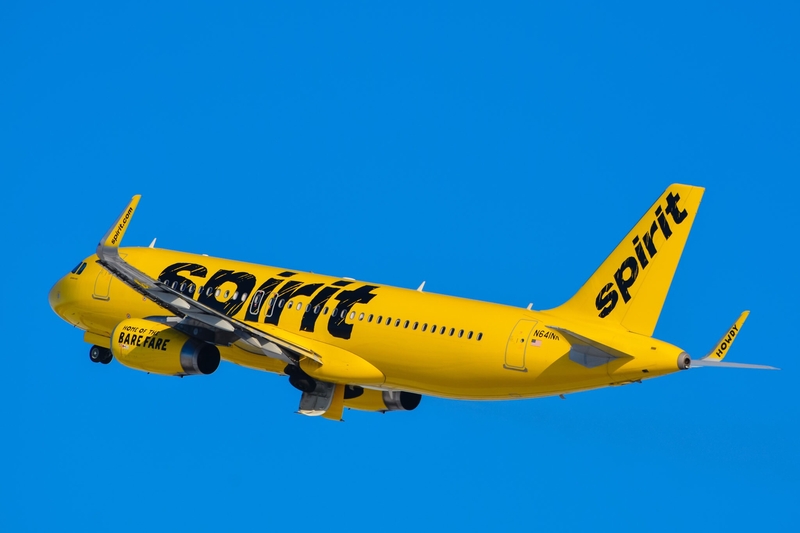
Spirit Airlines now appears to be closer than ever to the end, with the ultra-low-cost carrier reportedly preparing to cease operations after negotiations over a federal rescue package broke down.
If that happens, it would mark one of the most dramatic airline failures in modern U.S. aviation: a carrier that once redefined low-cost travel, pushed down fares across the country, and became the largest ultra-low-cost airline in the United States could disappear almost overnight.
For aviation readers, the key point is that this is no longer just a restructuring story. It is rapidly becoming a liquidation story.
Read our stories in your inbox
Two aviation newsletters. Zero fluff.
The Proposed Rescue Seems To Have Fallen Apart
The immediate issue is the collapse of the proposed $500 million government-backed rescue package that had been under discussion with the Trump administration.
That package had been designed to keep Spirit operating while it worked through its second major restructuring in less than two years. But the deal appears to have failed because the government, creditors, and other stakeholders could not align on the terms. One of the biggest sticking points was the structure of the rescue itself, particularly the possibility that the federal government would receive warrants or an ownership position large enough to heavily dilute other stakeholders.
That made the rescue politically controversial and financially difficult. Once creditors began resisting the structure, the path to a deal narrowed quickly.
The Threat Now Looks Immediate
What makes the current situation especially serious is the timeline.
This is no longer a case of analysts warning that Spirit might run out of runway eventually. The latest reporting indicates the airline has been preparing for a near-term shutdown, potentially within hours or days, if no agreement re-emerges.
That changes the tone entirely. A struggling airline can operate for a long time in bankruptcy. A carrier preparing to shut down operations is in a very different place. At that point, the focus is no longer on survival strategy or restructuring mechanics. It is on whether there is any realistic way to stop the collapse at the last moment.
Spirit’s Problems Were Never Just About One Bad Quarter
Spirit did not get here because of one isolated shock.
Its business model had already been under pressure for years. The airline’s ultra-low-cost structure worked best in an environment where labor, fuel, aircraft, and maintenance costs remained low enough for the carrier to stimulate demand with extremely low fares and a heavy ancillary-revenue model.
That environment changed during and after the pandemic. Costs rose across the board. Labor became more expensive. Aircraft parts and maintenance became more difficult to manage. And customers became more willing to pay slightly more for stronger reliability or a less stripped-down experience.
Spirit’s model was not built for that kind of shift.
The Airline Had Already Tried To Get Smaller And Leaner
This second bankruptcy was not passive.
Spirit had already been taking painful measures to reduce its cost base and shrink into something more sustainable. It cut aircraft leases, reduced flying, furloughed workers, laid off corporate staff, and sought concessions from labor. It also started moving toward a smaller and somewhat more premium-oriented proposition, including efforts to generate more revenue from upgraded seating and bundled products.
In other words, the airline was not standing still and hoping for a miracle. It was trying to redesign itself into a smaller and more efficient carrier.
But redesign takes time, and Spirit appears to have run out of it.
Fuel Prices May Have Broken The Restructuring Timeline
The immediate external shock that seems to have turned a fragile recovery into a potential collapse was fuel.
After the Iran conflict escalated and the Strait of Hormuz was closed, oil prices and jet fuel prices rose sharply. For almost every airline, that was painful. For Spirit, it may have been fatal.
Ultra-low-cost carriers are highly exposed to fuel because they rely on tight margins and low fares. If fuel costs surge, they have less ability than larger full-service airlines to absorb the increase without undermining the whole economics of the operation.
That is why the current crisis hit Spirit especially hard. The restructuring may have had a chance in a calmer cost environment. In the new one, the timeline appears to have broken.
This Would Be A Big Blow To Competition In The U.S. Market
If Spirit shuts down, the consequences will go well beyond one airline.
Spirit has long played an outsized role in forcing fares lower, particularly in leisure-heavy and price-sensitive domestic markets. Even travelers who never flew Spirit often benefited from its presence, because legacy airlines frequently had to respond when Spirit entered a route.
A shutdown would therefore remove more than aircraft capacity. It would remove one of the most aggressive fare disruptors in the U.S. market.
That is one reason the prospect of a federal rescue gained traction in the first place. This was not just about jobs. It was also about preserving competition.
Thousands Of Jobs And Millions Of Passengers Are At Risk
The human and operational consequences could be severe.
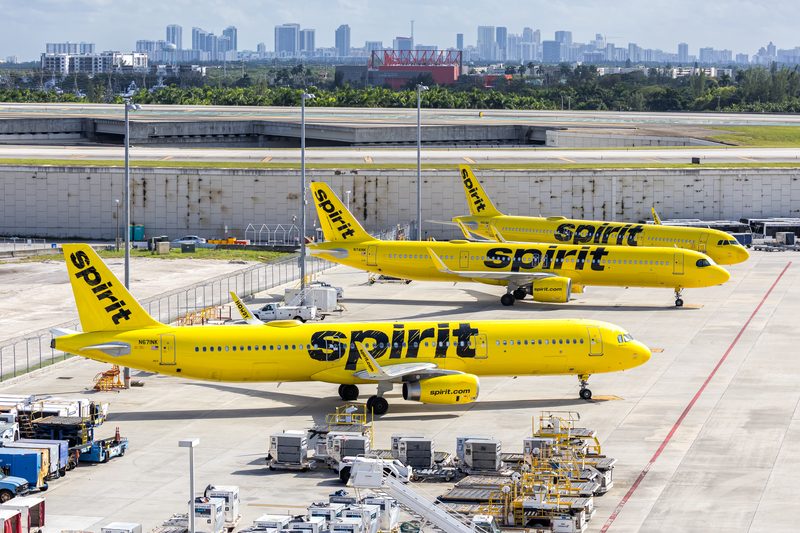
A collapse would put thousands of jobs at risk across the airline, from pilots and flight attendants to ramp workers, maintenance staff, and corporate employees. Ticket holders would almost certainly see widespread cancellations and disruption. Airports where Spirit has a large presence, especially in Florida, Las Vegas, and other leisure-heavy markets, would feel the impact quickly.
For travelers, this would be more than a bankruptcy headline. It would become an immediate operational shock.
This Also Ends A Long Search For A Way Out
Spirit has been trying to find a strategic exit for a long time.
The blocked JetBlue merger, the earlier restructuring, the later bankruptcy, and now the failed rescue talks all point to the same conclusion: the airline has spent years looking for a durable way to remain viable in a cost environment that no longer suits its original model.
That is what makes the current moment so stark. The rescue package was not some opportunistic bonus. It may have been the last viable bridge left.
Bottom Line
Spirit Airlines now appears to be perilously close to shutdown after negotiations over a federal rescue package collapsed. If no last-minute agreement is revived, the airline could cease operations within days, ending one of the most dramatic and consequential decline stories in modern U.S. aviation.
Spirit was once one of the most profitable and disruptive airlines in the country. But rising costs, repeated restructuring, and the latest fuel shock appear to have pushed it beyond recovery. If the airline does shut down, it will not just be the end of a carrier. It will be the loss of one of the most important low-fare competitors in the U.S. market.
Keep reading FlyMag
Get the Daily Brief in the morning or the Route Watch weekly recap on Fridays. Or both.