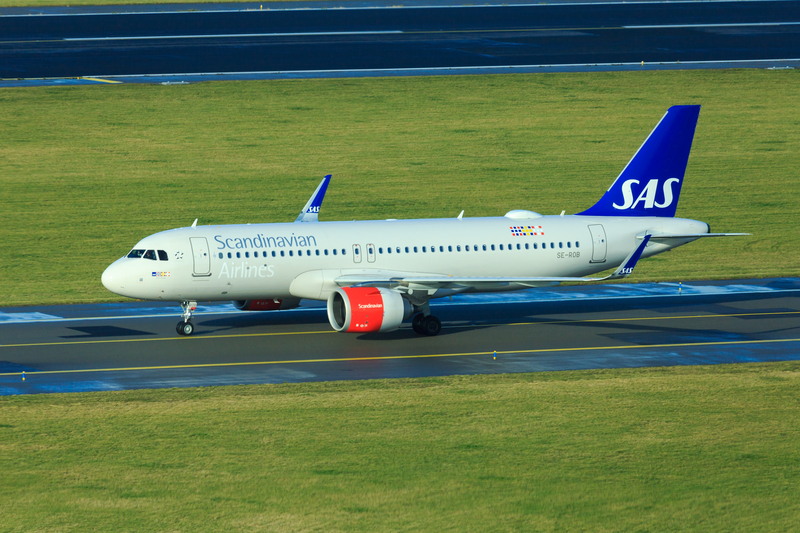
SAS says it is strengthening preventive measures after two separate incidents in just over a month in which cabin crew members tested positive for alcohol while on duty.

The first case occurred at Stockholm Arlanda Airport (ARN) in late February. The second followed on March 26 at Copenhagen Airport (CPH). In both cases, SAS reiterated that it has a zero-tolerance policy for alcohol and drugs while on duty and said it takes the incidents very seriously.
For any airline, that wording matters. Cabin crew are not only customer-facing staff. They are safety-critical personnel, responsible for emergency procedures, cabin security, and passenger management. That means alcohol-related breaches are treated as operational issues first and reputational issues second.
Read our stories in your inbox
Two aviation newsletters. Zero fluff.
Stockholm and Copenhagen Cases Raise Pressure on SAS
The two cases are separate, but the timing makes them more significant together than either would have been on its own.
At ARN, Swedish reporting said a SAS flight attendant tested positive after police boarded the aircraft for a routine control following an arrival in February. The case has already moved through the legal system, with the crew member convicted and fined in Sweden.
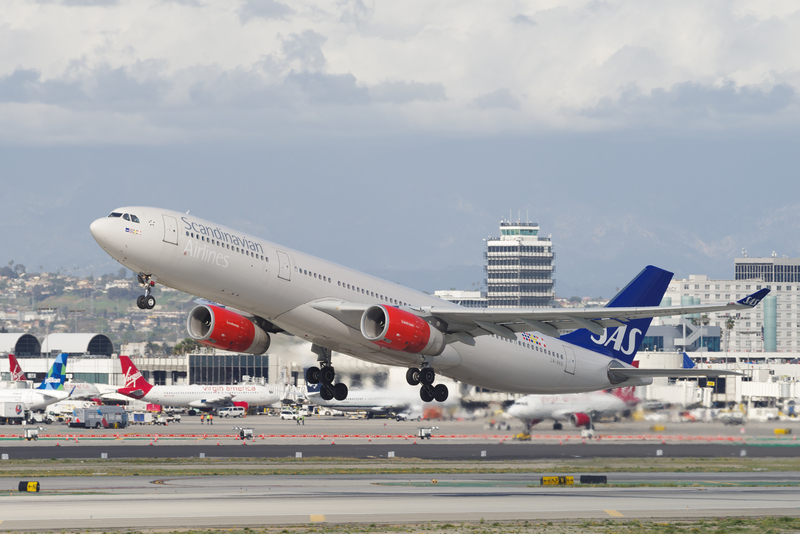
At CPH, the second case emerged on March 26, when another SAS cabin crew member was detained after also testing positive for alcohol while on duty. SAS has not publicly identified the flight involved, the route, or the aircraft type in either case, which is a reminder of how tightly airlines tend to control personnel information when a police process and an internal employment matter are both underway.
Why Airlines Treat These Cases So Seriously
In aviation, alcohol breaches involving crew are judged against a far stricter standard than in most other workplaces. Even where the amount detected is not publicly detailed, the issue is not simply whether a staff member appeared impaired. The issue is whether a safety-critical employee reported for duty without being fully fit to operate.
That distinction is important. A cabin crew member may not be at the controls, but they remain part of the aircraft’s safety chain. On a short-haul SAS flight from airports such as ARN or CPH, cabin crew are central to evacuation readiness, onboard medical response, and compliance with security procedures. Any breach of fitness-for-duty rules therefore has consequences far beyond personnel discipline.

It also creates an immediate scheduling problem. A crew member removed from duty at short notice can disrupt aircraft turnaround, delay departure planning, and force last-minute substitutions. On a tightly timed European short-haul network, that can ripple through the day’s operation very quickly.
SAS Is Moving to Reinforce Prevention
SAS has not publicly outlined the exact disciplinary outcome for the two employees, but the airline has confirmed it will strengthen preventive measures after the incidents.
That is a notable step. When an airline moves from simply restating policy to promising stronger prevention, it usually signals concern not just about individual behavior, but about whether internal controls, reporting culture, or support systems need tightening.
The most likely focus areas are pre-duty awareness, reporting expectations, and internal reinforcement of fitness-for-duty standards. SAS has not disclosed specifics, so it would be premature to go further than that. But the message is clear enough: the airline does not want these two cases to be seen as isolated embarrassments with no organizational response.
The Reputational Risk Is Real
SAS is in the middle of a broader commercial rebuilding phase, and incidents like these are especially awkward during periods when an airline is trying to sharpen its brand and operational credibility.
That is because alcohol cases involving crew tend to resonate beyond the legal facts. Passengers may never know the route or aircraft involved, but they understand the basic issue immediately. Trust in an airline depends heavily on the assumption that everyone operating the flight is fully fit for duty. When that assumption is challenged twice in quick succession, the reputational effect can outweigh the scale of the individual events.
For SAS, the challenge now is to make clear that the cases were detected, handled, and escalated properly, while also showing that internal safeguards are being reinforced fast enough to prevent repetition.
Bottom Line
Two alcohol-related cabin crew cases in little more than a month have forced SAS into a more defensive position on crew fitness and internal controls.
The incidents at Stockholm Arlanda Airport (ARN) and Copenhagen Airport (CPH) are operationally serious because cabin crew are safety-critical staff, not just service personnel. That is why SAS’s response matters. A zero-tolerance policy is expected. Stronger preventive action is what the industry will actually watch.
The bigger point is simple: these were not just HR issues. For SAS, they have become a test of operational discipline and safety culture.
Keep reading FlyMag
Get the Daily Brief in the morning or the Route Watch weekly recap on Fridays. Or both.