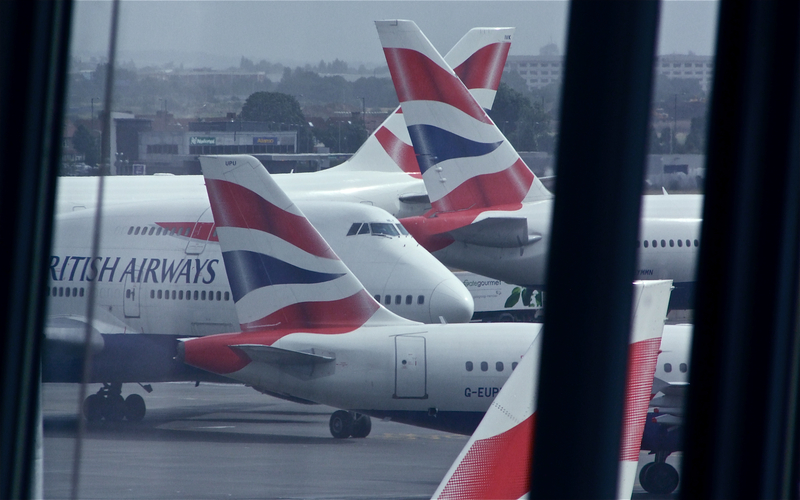
British Airways (BA) has confirmed that the first aircraft fitted with Starlink high-speed Wi-Fi will enter service in March 2026, kicking off a fleet upgrade that could finally make “work like you’re on the ground” a realistic promise over the Atlantic.
The update came from BA Chief Executive Sean Doyle, who told staff the airline is making “excellent progress” on the program as part of its 2025 results messaging—while stopping short of naming the first aircraft type, tail number, or the specific routes that will debut the service.
That lack of detail isn’t unusual. Connectivity retrofits sit at the intersection of engineering, certification, and scheduling: you can have hardware ready and still be waiting on approvals, aircraft downtime slots, or final testing signoffs before you put passengers on it.
Read our stories in your inbox
Two aviation newsletters. Zero fluff.
What we know so far: March is the first live customer month
BA’s position is clear on the headline: Starlink begins in March. What remains unclear is the “how”:
-
Which fleet gets the first installs (short-haul Airbus vs long-haul widebodies)
-
Whether the first live flight departs London Heathrow (LHR) or London Gatwick (LGW)
-
How quickly BA can move from “first aircraft” to meaningful coverage across peak business routes
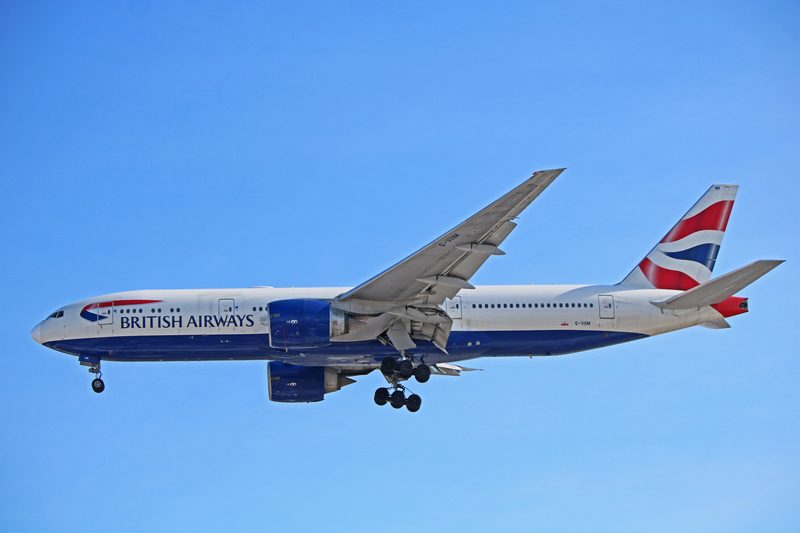
BA has already set the strategic end-state: once fully rolled out, the carrier intends to offer complimentary, gate-to-gate Starlink connectivity to customers across its mainline and Euroflyer operations—meaning you’re connected from pushback to arrival, not just at cruise.
Why this is a big technical upgrade, not a marketing refresh
Traditional inflight Wi-Fi has often been constrained by two things: satellite geometry (higher latency from geostationary satellites) and aircraft hardware limits (older antennas and bandwidth bottlenecks). Starlink’s aviation product changes the underlying physics by using a low-Earth-orbit satellite constellation and a phased-array antenna, which can deliver much lower latency and significantly higher throughput than many legacy systems—especially on long overwater sectors.
For BA, the key operational promise is consistency. A good inflight Wi-Fi day becomes the standard day, rather than the exception.
Fleet reality: where Starlink is most likely to appear first
BA hasn’t confirmed which aircraft will be first, but the rollout logic is pretty predictable if you’ve watched other Starlink adopters:
Short-haul first is the easy win.
BA’s short-haul operation—largely Airbus A320-family aircraft operating from LHR and LGW—typically offers easier access to aircraft overnight, faster turnaround for modifications, and a simpler certification pathway than a widebody fleet spread across global stations.
Long-haul is where the payoff is largest.
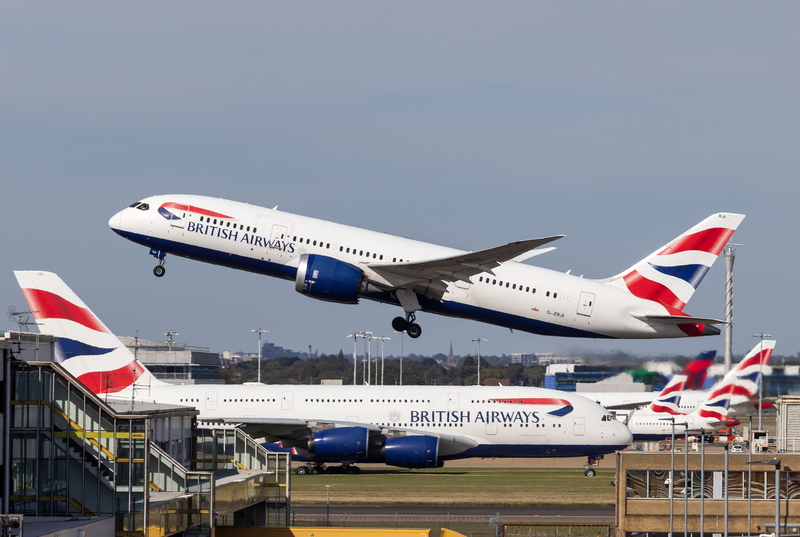
Once Starlink starts appearing on BA’s long-haul aircraft—Boeing 777-300ER (77W), 787-9 (789), 787-10 (78J), Airbus A350-1000 (351), and A380-800 (388)—the customer impact becomes much more visible. These are flights where passengers try to work, stream, and stay connected for eight to twelve hours, and where premium travelers have learned to be skeptical of “Wi-Fi available” labels.
If you’re an airline engineer, the widebody detail that matters is integration and certification: antenna placement, structural and electrical routing, EMI testing, and supplemental type certification. These are manageable tasks—but they require precision and time, especially when you’re fitting a large mixed fleet.
The IAG angle: this isn’t just British Airways
BA’s Starlink work is part of a wider International Airlines Group (IAG) program that also includes Aer Lingus (EI), Iberia (IB), Vueling (VY), and LEVEL (LV). In practice, that means the install program can share supplier relationships, training pipelines, and potentially even common modification playbooks across similar aircraft families.
Pricing models across the group may not be uniform. BA has been explicit that its Starlink service is designed to be free, while lower-cost brands across the industry often prefer paid tiers to protect ancillaries. Either way, for BA customers the direction of travel is clear: free, high-speed connectivity is being treated as a competitive requirement, not a premium add-on.
Competitive context: BA won’t be alone for long
Starlink connectivity is quickly becoming a new benchmark, not a novelty. Several major airlines are already flying Starlink-equipped aircraft, and others have announced aggressive timelines. BA’s advantage will come down to execution: how fast it can move from a “first aircraft” milestone to the point where frequent flyers can reasonably expect Starlink on core routes.
It’s also worth noting why some airlines are still hesitant. Low-cost carriers have raised concerns about antenna drag and weight—claims that Starlink’s external hardware could create a fuel burn penalty. Whether that number is 2% or materially less, the debate highlights the tradeoff: airlines must decide if the revenue and brand lift from high-quality Wi-Fi outweigh any performance hit.
BA’s calculus appears to be yes—especially at LHR and LGW, where premium travelers, corporate contracts, and competitive differentiation are hard currency.
What passengers should expect in the early weeks
March won’t be “fleetwide.” Early Starlink rollouts tend to look like this:
-
A small number of aircraft quietly fitted
-
A short period of validation flying (including real passenger use)
-
Gradual scaling as installation capacity ramps up and lessons from early aircraft are applied to later ones
So if you’re flying out of LHR or LGW in March, you may see Starlink appear on certain aircraft while other flights still operate the existing Wi-Fi setup. The biggest tell will be BA’s onboard and booking communications once the first tails are live.
Bottom Line
British Airways is set to fly its first Starlink-equipped aircraft in March 2026, marking the start of an IAG-wide connectivity upgrade that aims to deliver free, high-speed, low-latency Wi-Fi—including gate-to-gate use—across BA’s network.
The only missing piece is the one aviation professionals always want: the rollout map. BA hasn’t yet disclosed which aircraft types, tail numbers, or LHR/LGW routes will debut Starlink first. Until it does, March should be seen as the ignition point—not the finish line—for what could become one of BA’s most meaningful onboard upgrades in a decade.
Keep reading FlyMag
Get the Daily Brief in the morning or the Route Watch weekly recap on Fridays. Or both.