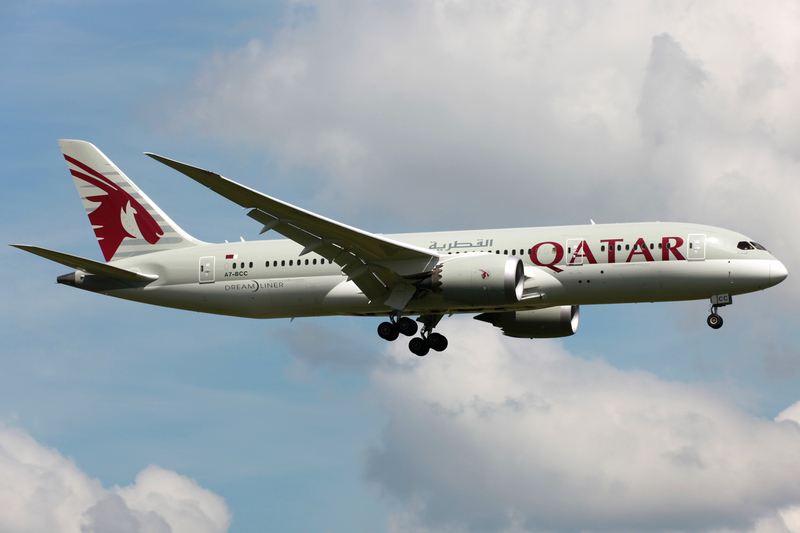
Qatar Airways is stepping up its African network this summer with a mix of new routes, resumed service, and higher frequencies, reinforcing the airline’s position as one of the Gulf’s most important connectors into the continent.

The standout move is the launch of Port Sudan (PZU) from Doha (DOH) from July 2, 2026, but the wider expansion is just as important. The airline is also restoring service to Seychelles, Kigali, and Marrakesh, while increasing frequencies to several existing African destinations.
For aviation readers, this is not just another seasonal network update. It is a sign that Qatar Airways still sees Africa as a growth market at a time when many long-haul airlines are being more selective with capacity.
Read our stories in your inbox
Two aviation newsletters. Zero fluff.
Port Sudan Is The Headline Addition
The most important new route is Doha–Port Sudan.
Qatar Airways will begin serving Port Sudan (PZU) from July 2, 2026, operating three weekly flights on Tuesdays, Thursdays, and Saturdays. That makes Port Sudan the clearest symbol of this expansion because it brings a new international link to a market where connectivity has been uneven and politically sensitive.
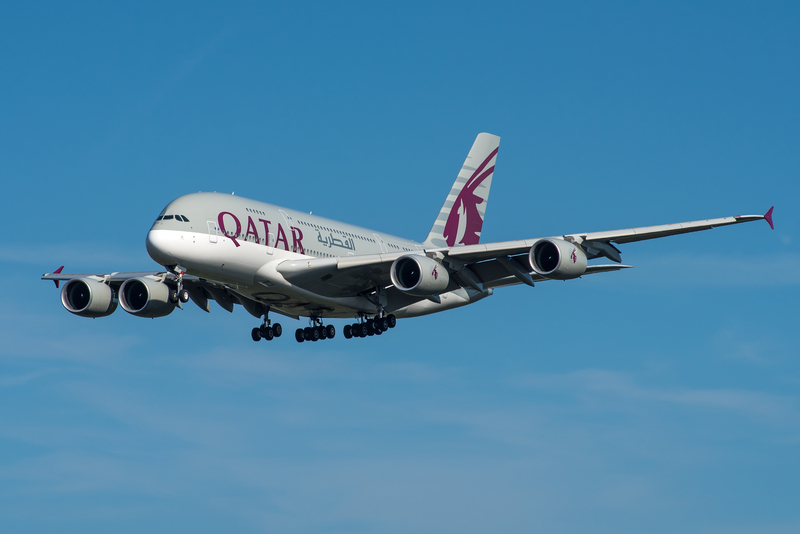
For the airline, the route is strategically useful because it adds another Red Sea gateway while also strengthening its role as a connector between Africa and markets farther east.
The Route Is Built For Beyond Traffic, Not Just Local Demand
One of the more important things about Port Sudan is what sits behind Doha (DOH).
Qatar Airways has been explicit that the new service is meant to support onward travel to markets in the Middle East and Southeast Asia, including places like Oman and Pakistan. That tells you the route is not being built only around local Sudan–Qatar demand. It is being built around the wider network.
That matters because long-haul and medium-haul routes into Africa often become much more viable when they function as connectors rather than stand-alone city pairs.
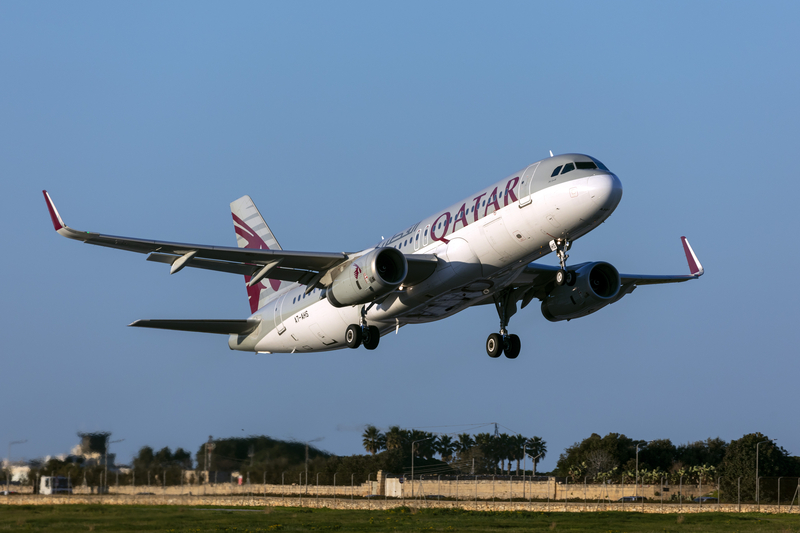
Three Existing African Services Are Coming Back
The expansion is not only about new cities. It is also about bringing back suspended or reduced service.
Qatar Airways says it will resume:
- Seychelles (SEZ) with four weekly flights from June 16
- Kigali (KGL) with two weekly flights from June 16
- Marrakesh (RAK) with daily service from July 1
That matters because route resumptions are often just as strategically important as new launches. They show where the airline believes demand has recovered enough, or where network value is too important to leave absent for long.
Frequency Growth Is Broad, Not Narrow
Qatar is also adding more flights on several existing African routes.
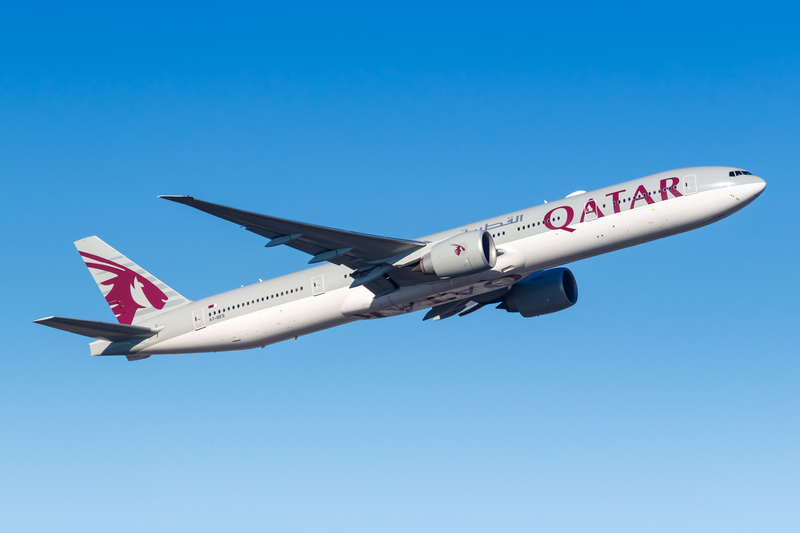
The airline has announced increases to:
- Alexandria (HBE) from three weekly to up to seven
- Cairo (CAI) from 28 weekly to up to 35
- Cape Town (CPT) from seven weekly to up to ten
- Dar es Salaam (DAR) from three weekly to up to seven
- Lusaka–Harare from five weekly to up to seven
- Maputo–Durban from four weekly to up to seven
That is a meaningful set of adjustments. It shows that the airline is not just using Africa as a brand-expansion story. It is increasing actual capacity in multiple markets where it clearly sees stronger commercial value.
Cairo Remains A Major Anchor Point
One route that stands out immediately is Cairo.
Moving from 28 to 35 weekly flights means Qatar Airways is taking a market that was already very large and making it even bigger. That suggests Cairo remains one of the airline’s most important African gateways by frequency, and one where both local demand and onward connectivity continue to justify additional scale.
This matters because Cairo is not a marginal growth city. It is one of the core pillars of Qatar’s African network.
Southern And East Africa Are Also Getting More Attention
The increases to Cape Town, Dar es Salaam, Lusaka–Harare, and Maputo–Durban show that the airline is not concentrating all of its growth in North Africa.
That matters because it suggests a more balanced continental strategy. Qatar Airways is strengthening both business-heavy and leisure-relevant points, while also reinforcing multi-sector regional routings that help it gather traffic from several cities on one pattern.
Those linked routes are especially important in Africa, where network efficiency often depends on combining city pairs in a way that would not be necessary in larger, denser standalone markets.
This Is A Bigger Africa Statement Than It First Looks
At first glance, this may look like a routine route-and-frequency update.
It is more than that. Taken together, Port Sudan, the resumptions, and the frequency increases show an airline that still sees Africa as a meaningful growth opportunity. That matters because many international carriers are currently under pressure from fuel prices, fleet constraints, and geopolitical uncertainty. In that environment, meaningful growth in Africa is a choice, not an accident.
Qatar Airways is clearly choosing to keep building.
Bottom Line
Qatar Airways’ latest Africa expansion is substantial. The airline is launching Port Sudan from July 2, 2026, resuming Seychelles, Kigali, and Marrakesh, and increasing frequencies across multiple cities including Cairo, Cape Town, and Dar es Salaam.
The most telling part is not any single route. It is the pattern. Qatar is expanding across different parts of Africa at once, using Doha to strengthen its role as the bridge between the continent and the Middle East, Asia, and beyond.
Keep reading FlyMag
Get the Daily Brief in the morning or the Route Watch weekly recap on Fridays. Or both.