Oman’s government has completed its acquisition of SalamAir, but the most important point is what happens next. Despite the transaction, Oman Air and SalamAir are not being folded into a single airline, at least not for now.
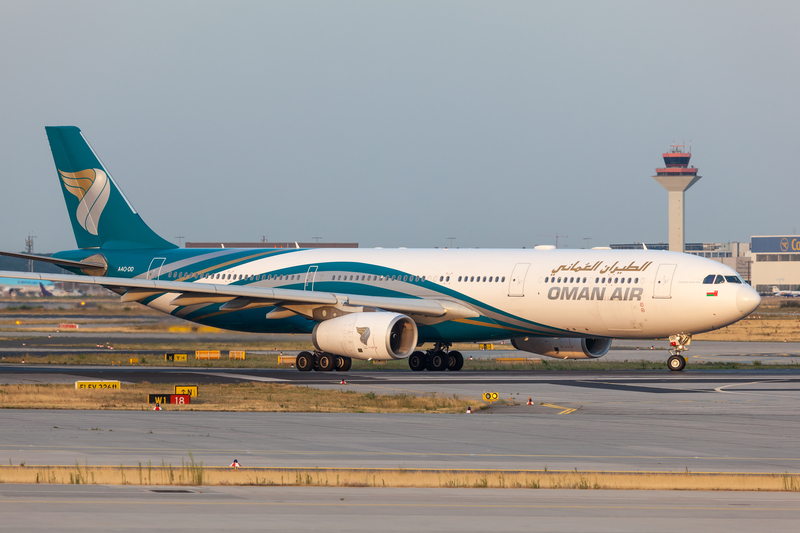
Instead, the government is pursuing what is effectively a dual-carrier model. Oman Air will continue as the Sultanate’s full-service flag carrier, centered on Muscat International Airport (MCT), while SalamAir will remain the low-cost operator, also based in Muscat but focused on a very different part of the market. Both airlines will keep their own brands, fleets, management structures, and customer-facing identities.
That matters because airline takeovers often lead quickly to brand consolidation. In this case, Oman is signaling the opposite. The objective is not to eliminate one airline in favor of the other. It is to use both more deliberately.
Read our stories in your inbox
Two aviation newsletters. Zero fluff.
The Government Is Trying to Build a More Coherent Aviation System
The official rationale behind the acquisition is to create a more sustainable national aviation sector, reduce unnecessary overlap, and improve connectivity.
That is a sensible ambition on paper. Oman Air has been under pressure for years because of persistent losses and a restructuring effort that intensified from 2023 onward. SalamAir, by contrast, has built itself into Oman’s most important low-cost airline since launching operations in 2017, with a much leaner model and a strong position in price-sensitive regional markets.
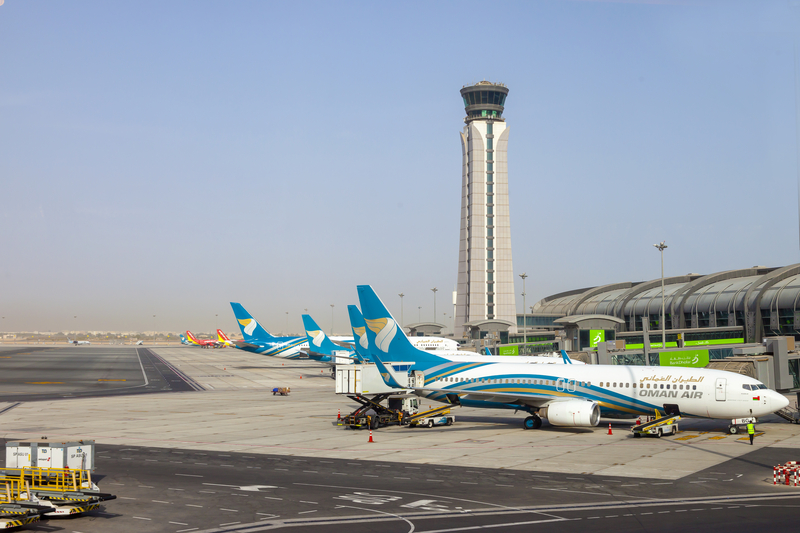
By bringing SalamAir fully under state control while keeping it operationally separate, the government is trying to solve two problems at once. It wants to protect competition in the market while also giving itself more direct control over how the country’s airline capacity is deployed.
In simple terms, Oman appears to want one aviation strategy with two different airline tools.
Oman Air and SalamAir Will Keep Different Roles
That two-tool approach only works if the airlines remain clearly differentiated.
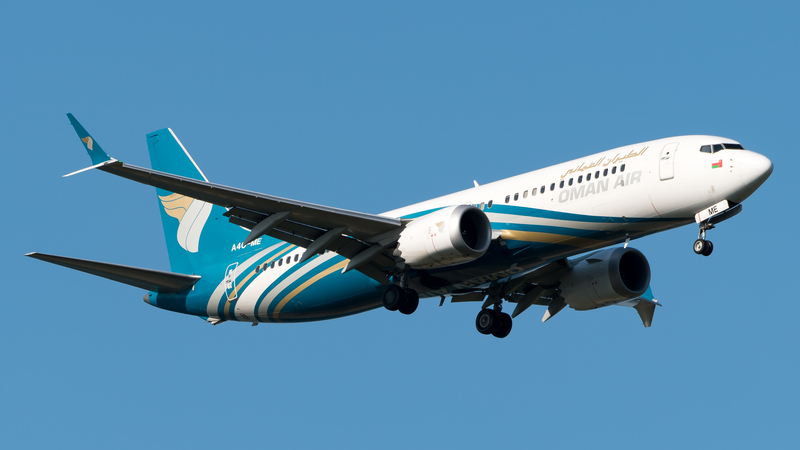
Oman Air’s role is still the premium, full-service side of the national aviation offering. Its long-haul network, Boeing 787 operation, and international flag-carrier positioning are central to that identity. SalamAir, meanwhile, remains firmly in the low-cost segment, built around Airbus A320neo and A321neo aircraft and a lower-fare short- and medium-haul model.
This separation is important. If both carriers chase the same customers on the same routes with the same product logic, the acquisition solves very little. But if Oman Air focuses on full-service, higher-yield traffic while SalamAir concentrates on lower-cost regional and leisure demand, the government has a better chance of making both airlines more useful within the same national framework.
That is why officials have been so careful to stress that SalamAir will stay a low-cost carrier and that the two brands will remain distinct.
Separate Fleets, Separate Loyalty, Shared Economics
The most revealing part of the new structure is that Oman is not ruling out cooperation. It is simply ruling out an immediate merger.
The government has said that both airlines will keep their own fleets and loyalty programs, which reinforces the message that they will stay separate in the eyes of customers. But it has also left the door open to resource sharing where that improves efficiency. Maintenance, operations, and broader back-end coordination are all areas where the two carriers could eventually work more closely together.
For aviation readers, that is where the real strategic value may lie. The customer proposition remains separate, but the economics behind the scenes may become more integrated over time. That is often the most politically workable version of consolidation: preserve brand choice, reduce back-end duplication.
SalamAir Is No Longer a Startup Story
The acquisition also underlines how far SalamAir has come.
The airline launched in 2017 and now operates a fleet of 15 aircraft, all from the Airbus single-aisle family. Its current fleet is built around the A320neo and A321neo, with the A320neo offering 180 seats and the A321neo between 212 and 230 seats depending on configuration. That gives SalamAir a modern, efficient platform for regional growth while keeping its cost base aligned with its low-fare model.
That is important because SalamAir is no longer a fringe disruptor in the Omani market. It has become one of the country’s core aviation assets. The government’s decision to acquire it reflects that reality.
The Medium-Term Test Will Be Network Discipline
The real challenge now is not ownership. It is discipline.
Oman has already signaled that the two airlines’ route networks will be reviewed to reduce overlap, improve fleet utilization, and free up capacity for new destinations. That sounds straightforward, but it is where this strategy will either succeed or run into friction.
If the airlines can be coordinated without blurring their identities, Oman may end up with a stronger and more rational aviation system. If route overlap, internal competition, or political interference continue, the ownership change may not deliver much more than a different shareholder structure.
That is why this story matters. The acquisition is complete, but the real integration work has barely started.
Bottom Line
Oman’s acquisition of SalamAir is not an Oman Air merger in disguise, at least not yet. It is a state-led attempt to build a more coherent national aviation structure while preserving two distinct airline models.
Oman Air remains the full-service flag carrier. SalamAir remains the low-cost airline. Both will keep separate brands, fleets, and loyalty programs, even as the government looks for ways to reduce route overlap and share resources behind the scenes.
For industry readers, that is the key takeaway: Oman is not trying to create one airline. It is trying to make two very different airlines work better together.
Keep reading FlyMag
Get the Daily Brief in the morning or the Route Watch weekly recap on Fridays. Or both.