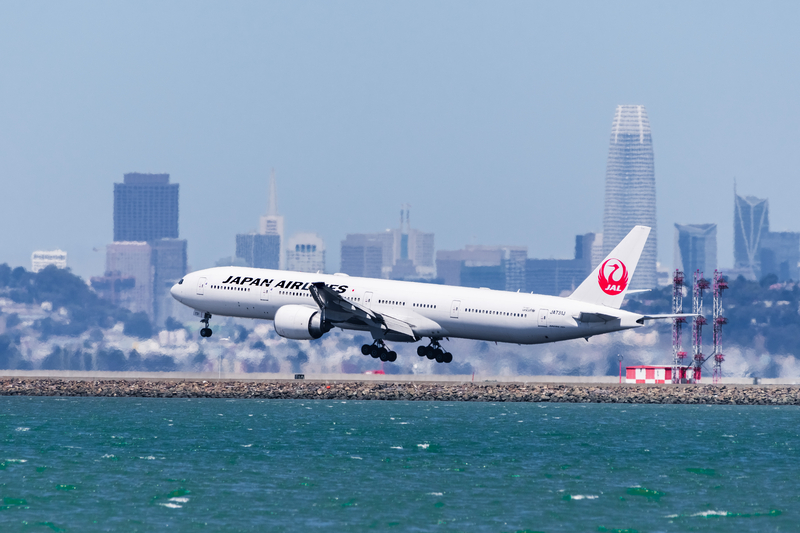
Japan Airlines is set to begin testing humanoid robots for baggage-handling and other ground-support work at Tokyo Haneda Airport (HND) from May, in one of the clearest signs yet that Japan’s aviation sector is moving from talking about labor shortages to actively building around them.

The trial is scheduled to continue through 2028. On the surface, it sounds like a futuristic airport experiment. In reality, it is a response to a very current operational problem: too much demand, not enough labor, and physically demanding ground work that is becoming harder to staff.
For aviation professionals, that is the real story. This is not about showmanship. It is about whether robotics can meaningfully reduce pressure on one of the busiest and most service-sensitive airport systems in Asia.
Read our stories in your inbox
Two aviation newsletters. Zero fluff.
Haneda’s Ground Operation Is Efficient — But Increasingly Stretched
Tokyo Haneda Airport (HND) is one of the most demanding airport environments in Japan. It handles enormous passenger volumes, operates with tight turn times, and is widely regarded for high standards in both passenger service and baggage handling.
That reputation matters because it is built on people. Ramp teams, baggage handlers, cabin cleaners, and turnaround staff have long been central to the smooth performance Japanese airports are known for.

But that same standard is becoming harder to maintain. Japan’s shrinking and aging workforce has made labor-intensive industries increasingly difficult to staff, and aviation is no exception. At the same time, inbound tourism continues to rise, placing even more pressure on airport operations that were already running at scale.
The result is simple: the workload is growing while the labor pool is tightening.
The Robots Are Meant To Support Staff, Not Replace Them
One of the most important things to understand about the trial is that JAL is not handing the ramp over to machines.
The humanoid robots are being introduced as support tools. They are expected to help with repetitive physical tasks such as moving baggage or cargo onto conveyor systems and may also assist with aircraft-cabin cleaning. Safety oversight and critical operational judgment will remain in human hands.
That distinction matters because airports are not controlled factory floors. Ground handling involves changing conditions, moving equipment, weather, aircraft servicing priorities, and constant coordination between teams. Full automation in that environment is far more complex than automating a warehouse.
What JAL is testing instead is a mixed-workforce model: people remain in charge, while robots take over some of the most repetitive and physically draining work.
Why Humanoid Robots Matter In An Airport Setting
The choice of humanoid robots is not accidental.
Most airport environments were designed for people, not for fixed industrial machinery. A humanoid machine has one obvious potential advantage: it can theoretically move through spaces already built around human motion and interact with tasks that already assume human-sized operators.

That is one reason this trial is more interesting than a standard automation story. JAL is not just testing whether a machine can move baggage. It is testing whether a human-shaped robot can fit into a live airport workflow without requiring the entire work environment to be redesigned around it.
If that works, the implications extend well beyond Haneda.
The Physical Burden Of Ramp Work Is A Real Issue
Baggage handling is one of the least visible but most physically demanding jobs in aviation.
Repeated lifting, awkward body positioning, time pressure, and exposure to weather all take a toll on workers. That makes this kind of role especially vulnerable in a labor market where employers are already struggling to attract and retain staff.
This is where robotics can become useful even before they become sophisticated. A machine does not need to replace a full handler to add value. If it can take on part of the repetitive loading work and reduce strain on human teams, it can improve both staffing resilience and long-term workforce sustainability.
That is likely the real goal of the JAL trial.
Tourism Growth Makes The Timing More Important
The timing of the trial is also significant.
Japan is seeing strong inbound demand, and that surge is putting additional pressure on airport infrastructure and staffing. More visitors mean more bags, more turnarounds, more cleaning demand, and more strain on a workforce that is already stretched thin.
For airports, growth is only useful if the system can absorb it. If labor shortages begin to undermine baggage handling, turnaround reliability, or service consistency, then rising demand stops looking like an opportunity and starts looking like a bottleneck.
That is why a baggage-robot trial matters now. It is not just about technology adoption. It is about making sure airport growth remains operationally manageable.
This Could Become Bigger Than A JAL Story
Although this is a Japan Airlines initiative, it is the kind of trial that other carriers and airport operators will watch closely.
Ground-handling shortages are not unique to Japan. Airlines and airports in many countries have struggled to recruit enough ramp staff, particularly after demand returned faster than labor pipelines recovered. If JAL can show that humanoid robots can help in a real airport environment without disrupting safety or efficiency, the concept could gain attention far beyond Haneda Airport (HND).
That does not mean global rollout is imminent. But it does mean this trial has broader significance than a single airline technology test.
The Trial Will Need To Prove Practical Value, Not Novelty
The biggest challenge is not getting the robots onto the ramp. It is proving they are actually worth having there.
That means the trial will need to show measurable value in reliability, labor relief, ease of integration, and operational usefulness. If the robots are too limited, too slow, too difficult to supervise, or too dependent on ideal conditions, they will remain a publicity tool rather than a practical workforce supplement.
For JAL, the next two years will be about answering that question. The concept is interesting. The operational case still has to be proven.
Bottom Line
Japan Airlines’ humanoid robot trial at Tokyo Haneda Airport (HND) is not really a futuristic novelty story. It is a practical response to a labor-intensive part of aviation that is becoming harder to staff in a shrinking workforce environment.
If the trial succeeds, it will not mean human baggage handlers disappear. It will mean one of Japan’s busiest airport systems has found a way to reduce physical strain on staff while maintaining the service standards that Haneda is known for. In a labor-tight aviation market, that would be a meaningful development.
Keep reading FlyMag
Get the Daily Brief in the morning or the Route Watch weekly recap on Fridays. Or both.