ITA Airways is pushing further into the long-haul leisure market with the launch of a new seasonal route between Rome Fiumicino Airport (FCO) and Las Américas International Airport (SDQ) in Santo Domingo, giving the Italian carrier its first direct entry into the Caribbean.
The route is scheduled to begin on November 30, 2026, and will start with one weekly flight before ramping up to twice-weekly service in mid-December through the end of March 2027. On the surface, that looks like a conservative winter-season addition. In network terms, it is more meaningful than that.
For ITA, Santo Domingo is not just another sun destination. It represents a further broadening of the airline’s long-haul identity as it continues to develop Rome Fiumicino Airport (FCO) into a more substantial intercontinental hub.
Read our stories in your inbox
Two aviation newsletters. Zero fluff.
Santo Domingo Gives ITA A First Caribbean Foothold
The most important strategic detail is simple: this is ITA Airways’ first Caribbean route.
That matters because airlines do not normally enter a new long-haul region without a clear commercial rationale. In this case, the Dominican Republic offers the mix many carriers look for in a winter seasonal market: strong leisure demand, established tourism flows, and the possibility of serving both origin-and-destination traffic and diaspora-related demand.
For ITA Airways, Santo Domingo also complements a long-haul network that already reaches North and South America. Adding Las Américas International Airport (SDQ) gives the airline another western long-haul spoke from Rome Fiumicino Airport (FCO), but with a much more leisure-driven profile than some of its North American markets.
That makes the route commercially useful in a different way from a traditional corporate-heavy long-haul service.
The Schedule Shows ITA Is Taking A Measured Approach
The frequency pattern tells its own story.
The route launches with one weekly flight on Mondays from November 30, then increases to two weekly frequencies from December 14 through the end of March 2027. That is not the schedule of an airline trying to flood a market with capacity. It is the schedule of an airline testing demand carefully while still ensuring enough presence to be commercially relevant during the winter peak.

From a network-planning perspective, that is a sensible way to open a Caribbean destination from Rome Fiumicino Airport (FCO). Winter leisure demand can be strong, but it is also highly seasonal and fare-sensitive. Starting at one weekly flight gives ITA room to assess booking traction and operational performance before settling into the stronger holiday and winter-sun period with an additional frequency.
This is disciplined expansion, not opportunistic overreach.
The Airbus A330neo Is The Right Aircraft For The Route
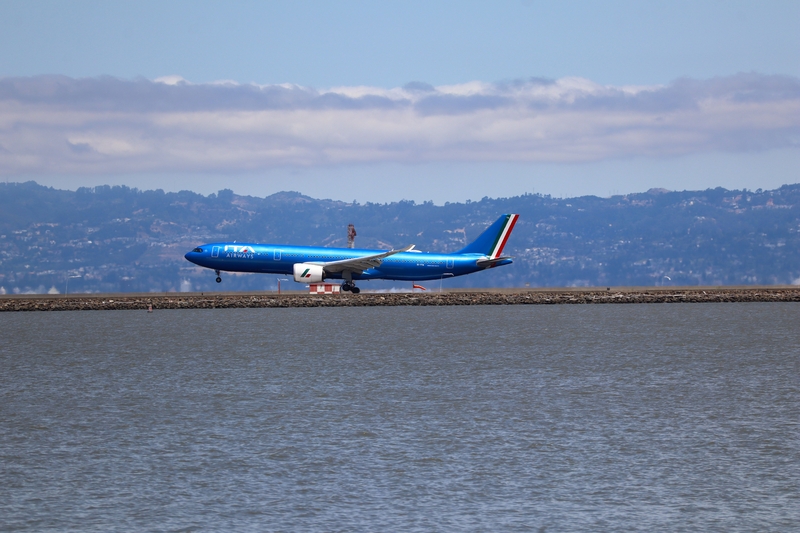
ITA will operate the route with the Airbus A330neo, which is central to the airline’s long-haul fleet modernization and one of the strongest tools it has for markets like this.
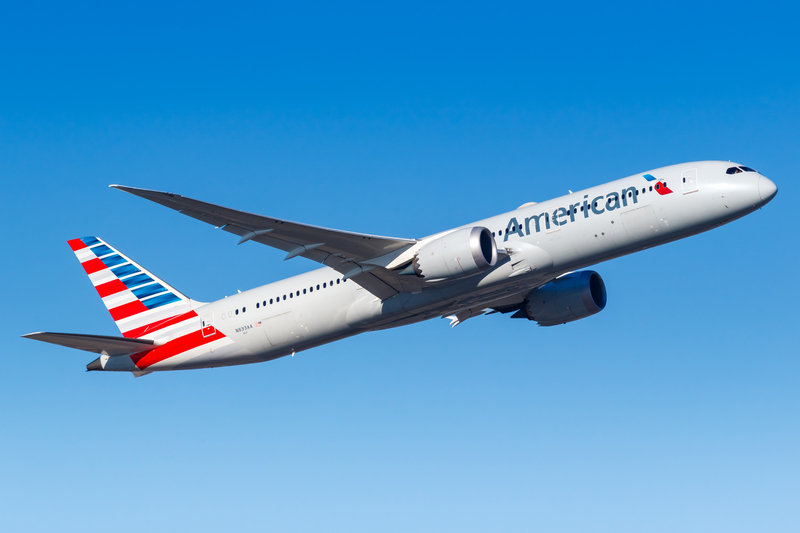
The A330neo fits Santo Domingo well for several reasons. First, it offers the range and economics needed for a transatlantic leisure route without the heavier footprint of some larger widebodies. Second, it provides a modern onboard product across Business, Premium Economy, and Economy cabins, which is important on a route likely to attract a mix of vacation travelers, higher-yield premium leisure passengers, and passengers visiting family.
That three-cabin structure matters. It allows ITA Airways to chase more than one customer segment at once, which is often essential on long-haul routes that are not purely business-oriented.
For a seasonal Caribbean market from Rome Fiumicino Airport (FCO), the A330neo is a very logical choice.
Rome Fiumicino Continues To Be The Center Of ITA’s Long-Haul Plan
Everything about the Santo Domingo launch reinforces one broader truth: Rome Fiumicino Airport (FCO) remains the anchor of ITA’s long-haul strategy.
The airline has spent much of the last few years building FCO into a stronger intercontinental hub, using next-generation widebodies and a more focused route strategy to position itself more credibly in long-haul markets. Santo Domingo fits neatly into that pattern.
It is the kind of destination that helps strengthen Rome’s role not only as an origin point for Italian travelers, but also as a connecting hub capable of supporting a broader mix of transatlantic and intercontinental demand. Even if this route is largely leisure-led, it still adds another long-haul spoke that enhances FCO’s overall long-haul profile.
That is especially important as ITA continues to refine its role within the wider Lufthansa Group orbit.
This Is A Leisure Route, But Not Just A Leisure Route
ITA has clearly positioned the service around winter travel demand and tourism, and that makes perfect sense. The Dominican Republic is one of the Caribbean’s most established tourism markets, and nonstop access from Italy should have obvious appeal during the European winter.
But it would be too simplistic to view the route as purely a holiday play.
Santo Domingo also brings VFR and broader community traffic potential, especially given the Dominican Republic’s international links and the demand patterns that often support Caribbean long-haul flying beyond the peak tourist segment. For a carrier like ITA, that matters because mixed-demand routes are usually more resilient than those dependent on one passenger profile alone.
That may prove especially useful on a twice-weekly schedule, where consistency of demand across several segments can be more important than sheer volume.
The Route Also Signals Continued Confidence In Long-Haul Expansion
The Santo Domingo announcement is notable because it is being framed as the first new destination in ITA’s 2026–2027 winter schedule.
That wording matters. It suggests this is not an isolated add-on, but part of a broader long-haul growth push. ITA has already been increasing its intercontinental emphasis, including across Asia, and this latest move reinforces the idea that long-haul flying remains at the center of its commercial logic.
For an airline still building its post-Alitalia identity, these additions carry extra weight. They are not just route launches. They are signals about what kind of airline ITA wants to become.
By choosing a market like Santo Domingo, the carrier is showing that future growth will not be limited to the most obvious North Atlantic trunk routes. It is willing to look at destinations where leisure demand, seasonality, and network opportunity intersect.
Bottom Line
ITA Airways’ new route between Rome Fiumicino Airport (FCO) and Santo Domingo’s Las Américas International Airport (SDQ) is more than just another winter-sun service. It gives the airline its first Caribbean destination, adds another long-haul spoke to its Rome hub, and shows a carrier continuing to grow its intercontinental network with measured confidence.
The use of the Airbus A330neo, the phased frequency increase from one weekly flight to two, and the winter seasonal timing all point to a carefully judged launch rather than an aggressive gamble. For ITA Airways, that is probably exactly the right way to enter the Caribbean.
Keep reading FlyMag
Get the Daily Brief in the morning or the Route Watch weekly recap on Fridays. Or both.