GOL Linhas Aéreas is preparing to cross the Atlantic for the first time in its history, launching nonstop flights from Rio de Janeiro/Galeão–Tom Jobim International Airport (GIG) to Lisbon Humberto Delgado Airport (LIS) and later to Paris Charles de Gaulle Airport (CDG).
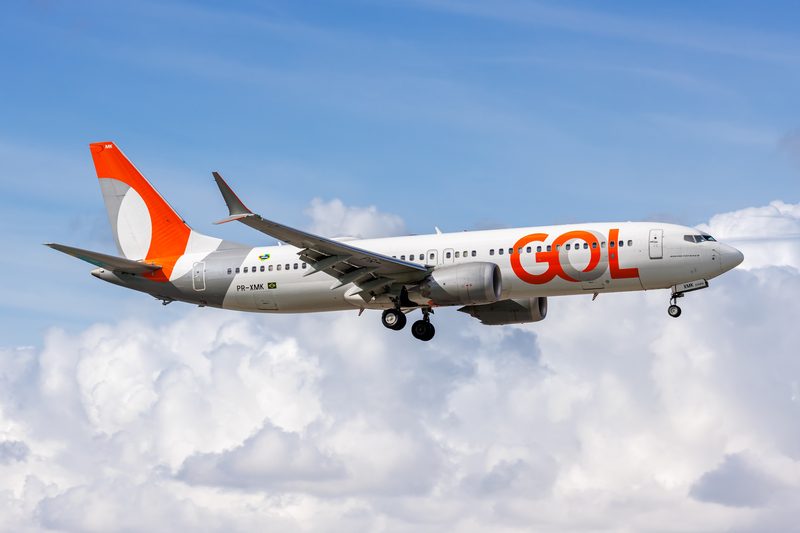
For an airline that built its identity around an all-Boeing 737 narrowbody model after its 2001 founding, this is a major strategic break. It is not just a new route announcement. It is the beginning of GOL’s long-haul era, built around the Airbus A330 and centered on Rio de Janeiro rather than São Paulo.
The Lisbon route is the first concrete step. It will begin on September 16 with four weekly round-trip flights from GIG to LIS. Paris is also planned from GIG to CDG, though GOL has not yet published the schedule details for that service.
Read our stories in your inbox
Two aviation newsletters. Zero fluff.
That distinction matters. Lisbon is confirmed with a start date and frequency. Paris is announced, but not yet fully timed.
This Is More Than A Route Launch — It Is A New Business Model Layer
GOL’s move into Europe changes the airline’s profile in a way few route launches do.

Until now, GOL has been known primarily as a short- and medium-haul operator, with its network built around domestic Brazil and regional Latin America flying. The airline’s expansion into the United States was already meaningful, but Europe is a different threshold. Transatlantic flying requires different aircraft, different economics, different crew planning, and a different commercial proposition.
That is why the use of the Airbus A330 is so important.
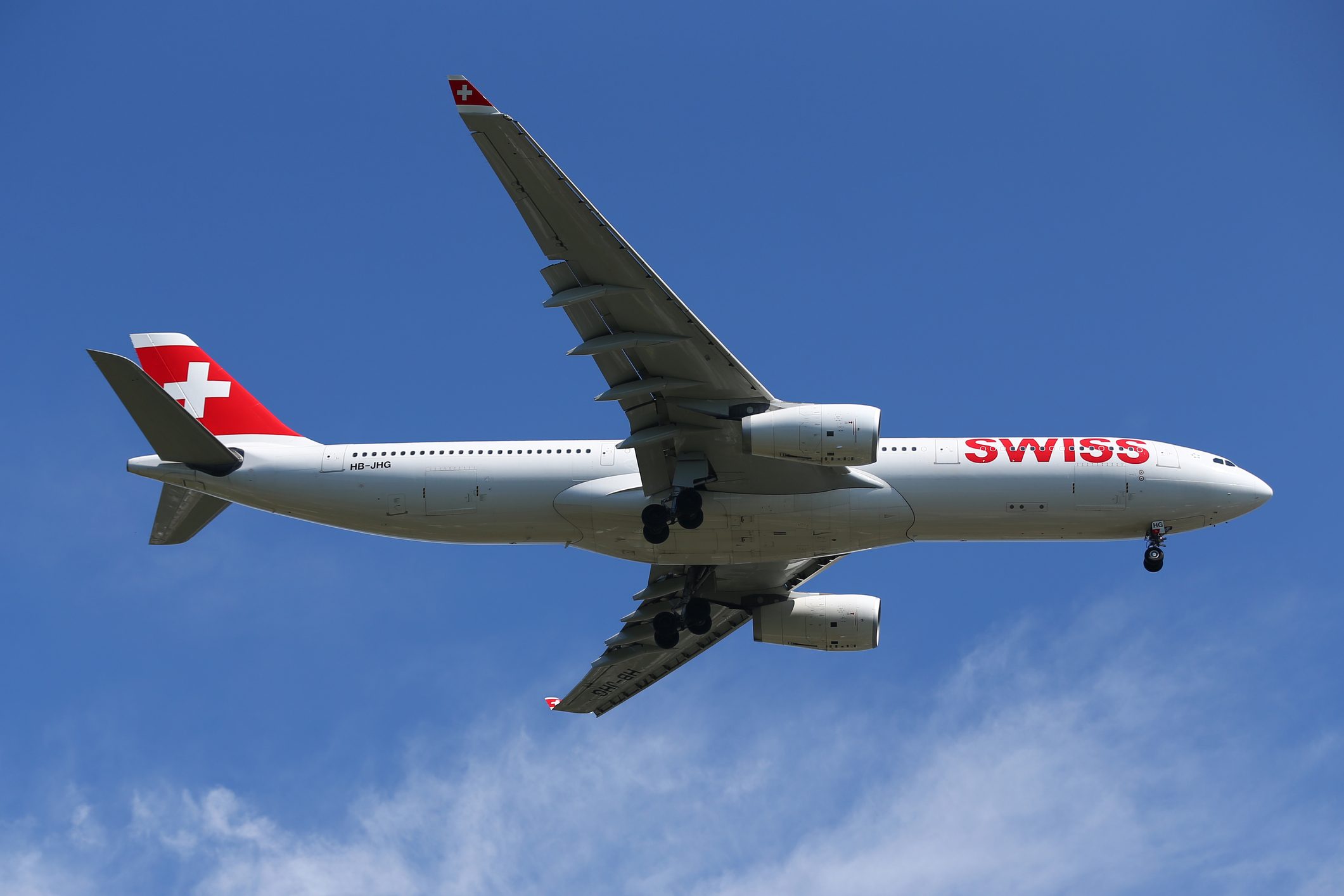
The A330 gives GOL the range, cargo volume, and premium-cabin platform it needs to enter long-haul markets in a credible way. It also marks the end of GOL’s long-standing status as a 737-only operator. For an airline audience, that is one of the most consequential parts of the story. Fleet changes of this scale are never just about one or two routes. They usually signal a broader shift in ambition.
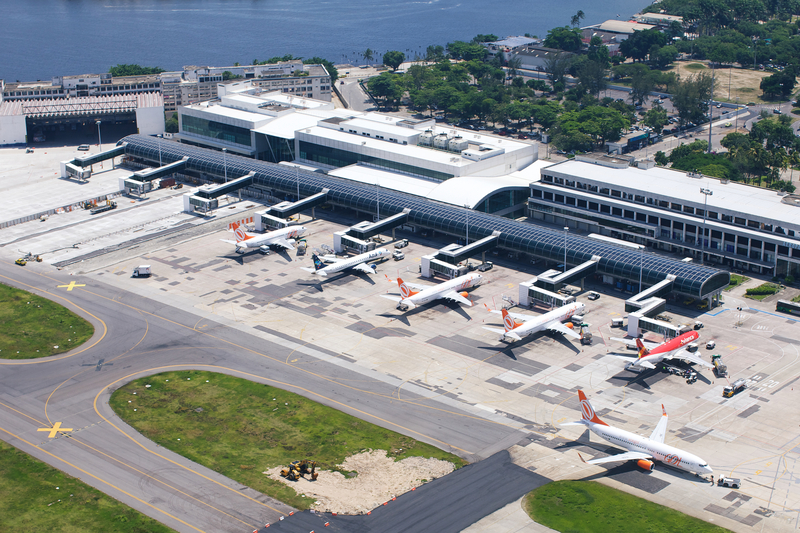
Why Rio Galeão Is The Chosen Long-Haul Platform
The decision to base these European launches at Rio Galeão (GIG) is not accidental.
GIG has long had the physical infrastructure and international role to support long-haul growth, but in recent years it has not always captured the level of intercontinental development many expected. GOL now appears to be betting that Rio can support a renewed long-haul push, not just on local demand, but as a connecting platform.
That is where the airline’s existing network matters. Through Galeão, GOL says it can connect passengers onward to more than 30 destinations across Brazil and Latin America. That gives the European services more than just local Rio demand to work with. It gives them feed.
For Lisbon (LIS), that is especially useful. Portugal has deep historical, cultural, business, and diaspora ties with Brazil, and Rio–Lisbon is one of the more intuitive Europe links a Brazilian carrier could launch. It is a route where local demand, visiting-friends-and-relatives traffic, tourism, and onward connectivity can all contribute meaningfully.
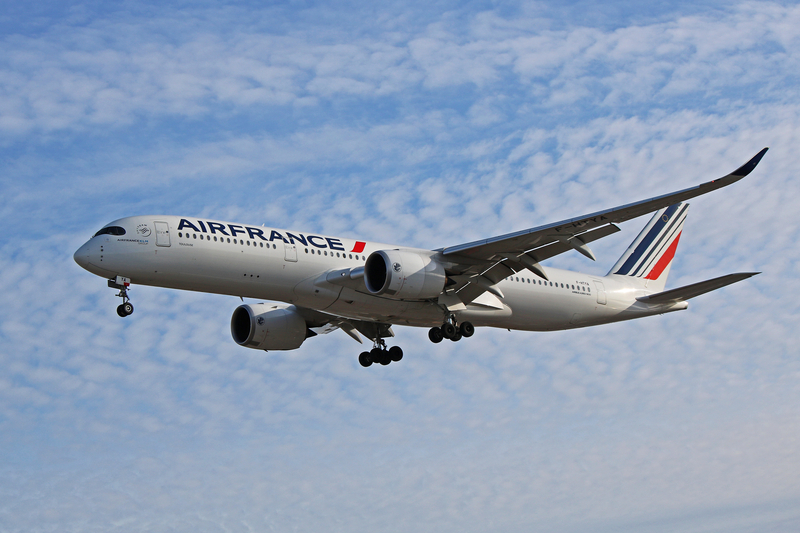
Paris Charles de Gaulle (CDG) is a slightly different proposition. It is a larger and more globally connected European gateway, with stronger premium and long-haul connecting relevance. But it also requires a more complex commercial setup, which likely explains why GOL has announced the route without yet publishing the detailed schedule.
Lisbon First Makes Strategic Sense
Starting with Lisbon is the conservative and smart choice.
Among potential European launches, LIS is one of the most natural fits for a Brazilian airline entering the long-haul market. The cultural and linguistic ties between Brazil and Portugal are obvious, and Lisbon is also a relatively manageable European gateway from an operational and commercial standpoint compared with some larger hubs.
Four weekly flights is also a measured starting point. It gives GOL meaningful market presence without overcommitting capacity too early. For a first transatlantic route, that is the sort of schedule discipline aviation professionals usually like to see. It leaves room to build awareness, optimize feed, and evaluate how the market responds before considering additional frequency.
It also helps that Lisbon is a route where the passenger mix can be broad. This is not just a premium business market, and it is not just a leisure route either. That balance can be useful for an airline still learning its long-haul demand profile under its own code and product.
The A330 Changes What GOL Can Sell
The onboard proposition is another big part of this shift.
GOL says the flights will feature its Business INSIGNIA product, including fully flat beds, premium amenities, and lounge access at selected airports. That is a sharp contrast with the airline’s traditional narrowbody proposition and is a necessary step if it wants to compete credibly across the Atlantic.
On a route to Europe, premium product is not optional. Even if a large part of the demand mix is leisure or VFR traffic, long-haul travelers increasingly expect a proper front-cabin offering, especially on overnight flights. The A330 gives GOL that.
The onboard catering angle also matters more than it might seem. GOL says menus will be developed by Brazilian two-Michelin-starred chef Felipe Bronze. That is clearly part of a broader effort to present the European operation as something elevated and distinctly Brazilian rather than merely an aircraft with longer range.
For a long-haul launch, that kind of brand framing is deliberate.
Cargo Is A Bigger Part Of The Story Than Many Passenger Readers Realize
The cargo element here is substantial.
GOL says each A330 will provide around 20 tonnes of cargo capacity, and that is a meaningful figure for a new long-haul operation from GIG. This is not just about passenger expansion. It is also about building Rio into a more significant international freight platform for GOLLOG, the airline’s logistics arm.
That makes the economics of these routes more interesting.
A330 operations can be supported not only by passenger revenue, but also by cargo, especially on transatlantic markets where time-sensitive and higher-value shipments can benefit from direct lift. For GOL, that adds another revenue layer that narrowbody international flying cannot provide in the same way.
It also means Galeão’s role could evolve quickly. If GOL succeeds in turning GIG into both a passenger and cargo bridge between Brazil and Europe, these routes may come to be seen less as isolated launches and more as the foundation of a broader hub strategy.
Paris Will Be The More Revealing Route
Lisbon is the safer opening move, but Paris may be the more revealing one.
A Rio Galeão (GIG)–Paris Charles de Gaulle (CDG) service would place GOL into a much more globally competitive environment, where schedule quality, alliance relevance, feed, premium demand, and cargo all matter heavily. If Lisbon tells the market that GOL can fly to Europe, Paris will say more about whether GOL can compete there at scale.
That is one reason the missing details matter. Until GOL publishes the start date, frequency, and schedule for CDG, it is best to view Paris as the second phase of the strategy rather than part of the fully locked-in first wave.
Still, CDG is a serious choice. It signals ambition. GOL is not dipping into Europe through only secondary leisure points. It is targeting one of the continent’s most important hub airports.
What This Means For GOL’s Identity
This may be the most important takeaway of all.
For 25 years, GOL has been associated with a specific airline model: Brazilian short-haul scale, 737 fleet simplicity, and regional relevance rather than widebody international reach. The Rio–Lisbon and Rio–Paris launches begin to change that identity.
The carrier is now positioning itself as something broader: a Brazilian airline with domestic depth, regional connectivity, and emerging intercontinental reach. That does not mean it will suddenly transform into a classic global network carrier. But it does mean the old limits around what GOL is, and where it can fly, are changing.
That is why this announcement matters beyond the two routes themselves.
Bottom Line
GOL’s decision to launch nonstop European service from Rio Galeão (GIG) to Lisbon (LIS) and later to Paris Charles de Gaulle (CDG) is a landmark moment for the airline.
The Lisbon route, starting September 16 with four weekly flights, is the first fully detailed step in GOL’s long-haul transition. Paris is also planned, though the schedule details have not yet been published. Both services will use the Airbus A330, giving GOL a true widebody platform for the first time and allowing it to offer a much stronger premium product while also adding meaningful cargo capacity.
For aviation professionals, the real significance is structural. This is not just GOL adding Europe. It is GOL changing what kind of airline it can be.