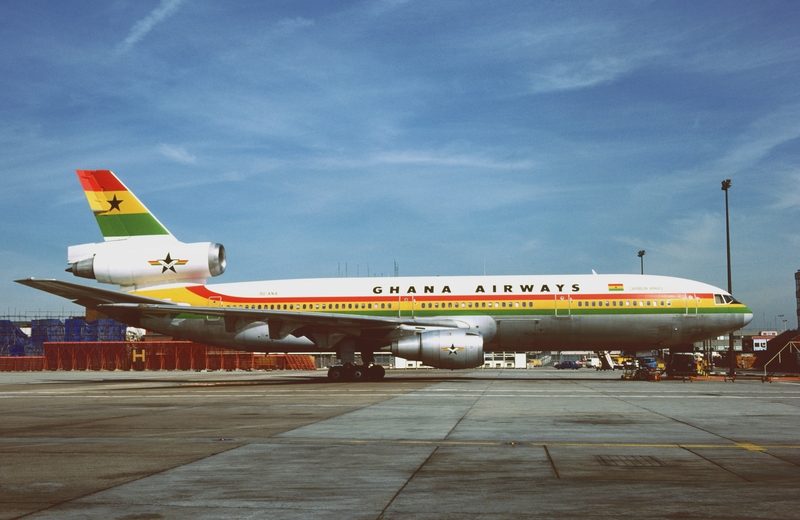
Ghana’s government says it intends to formalize operations for a proposed new national airline within the next 12 months, setting up a potential launch window in the first quarter of 2027. The commitment was reiterated by Transport Minister Joseph Bukari Nikpe during events surrounding a new regional service into Accra, as the administration revives the idea of a state-linked carrier more than two decades after Ghana Airways ceased operations.
A 10-member national airline task team—established in 2025—has been tasked with the heavy lift: regulatory sequencing, fleet acquisition strategy, staffing, and route planning. For now, the government has not published definitive details on ownership, initial fleet type, or launch routes, signaling that the project is still in the “build the platform” phase rather than “announce a network” mode.
Why the Air Tanzania–Accra start matters
The timing of Ghana’s renewed airline push is notable because Accra (ACC) is simultaneously working to deepen its role as a West African gateway. Air Tanzania’s new service adds another Africa-to-Africa link into Kotoka International Airport, strengthening east–west connectivity and reinforcing ACC’s hub narrative.
Read our stories in your inbox
Two aviation newsletters. Zero fluff.
For Ghana, these incremental connectivity wins matter: they help validate demand, support inbound tourism and trade, and demonstrate that airlines can make multi-region Africa flying work commercially—often the hardest part of the hub story.
The operating model Ghana can’t afford to get wrong
Ghana has seen multiple attempts to restore a national carrier since the early 2000s. The core lesson from failed flag-carrier restarts globally is consistent: the “big reveal” (branding, routes, first aircraft) is the easy part; the execution disciplines are what determine survival.
If Ghana’s next carrier is to be viable, three fundamentals will matter more than splashy route announcements:
-
Governance that limits political interference (especially on route selection and procurement)
-
A credible safety and compliance posture from day one (SMS maturity, training pipelines, maintenance control)
-
A fleet and network plan that matches real yields and seasonality, not just national ambition

Fleet and network: what typically works for an Accra-based startup
Because Ghana has not disclosed aircraft decisions, the most realistic early-stage playbook for an ACC-based airline is usually narrowbody-first, with growth staged through leasing rather than heavy upfront capex. That can mean building a reliable regional network inside West Africa before attempting thin long-haul, or using partnerships (interline/codeshare) to extend reach without overstretching the balance sheet.
Long-haul can be attractive—diaspora traffic and business flows are real—but it’s also where new airlines burn cash fast if frequency, reliability, and distribution aren’t ready.
Bottom Line
Ghana is signaling a serious, time-bound attempt to stand up a new national airline by early 2027, with groundwork underway via a dedicated task team and regulatory planning. The opportunity is clear: Accra has geographic logic and growing connectivity momentum. The risk is also clear: without disciplined governance, a right-sized fleet plan, and operational credibility, national airline relaunches can become expensive symbols instead of sustainable businesses.
Keep reading FlyMag
Get the Daily Brief in the morning or the Route Watch weekly recap on Fridays. Or both.