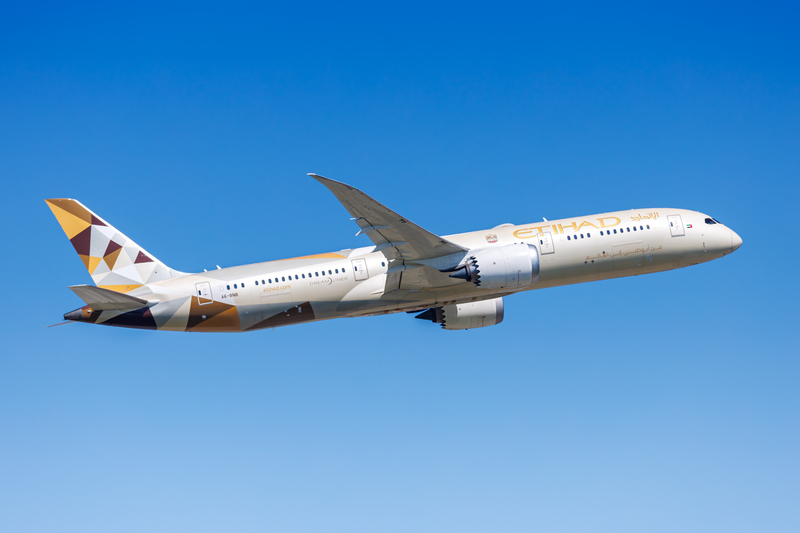
Etihad Airways (EY) will launch the first-ever nonstop link between the Middle East and Calgary (YYC) on November 3, 2026, connecting Zayed International Airport, Abu Dhabi (AUH) with Calgary International Airport (YYC) four times weekly. For Calgary, it’s more than “another intercontinental route”—it’s a new long-haul bridge into Etihad’s AUH hub that materially changes how Western Canada can access the Gulf, the Indian Subcontinent, and onward markets across Asia and parts of Africa without backtracking through Eastern Canada or U.S. gateways.

For Etihad, the move is equally strategic. YYC becomes the airline’s western anchor point in Canada, complementing its existing North American footprint and adding another high-potential market built around energy, trade, and inbound tourism.
The operation: four-weekly, year-round, on the Boeing 787-9
Etihad plans to operate AUH–YYC four times per week year-round using the Boeing 787-9 Dreamliner (789)—a type designed for long sectors like this where range, fuel efficiency, and passenger comfort all matter.
Read our stories in your inbox
Two aviation newsletters. Zero fluff.
The schedule (all times local) is structured to work with hub connectivity on both ends:
EY29: AUH 08:45 → YYC 12:20 (Tue/Thu/Fri/Sun)
EY30: YYC 18:05 → AUH 19:00+1 (Tue/Thu/Fri/Sun)
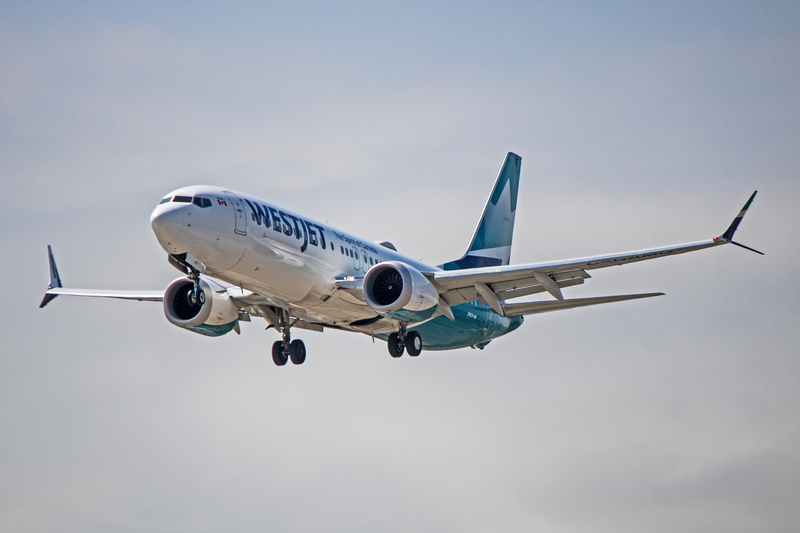
WestJet’s 2026 International Expansion Adds Europe, South America And More Sun Flying
For YYC, the evening departure is practical for connecting passengers arriving from across Western Canada and the U.S. For AUH, the morning departure and next-day return arrival are patterns that typically sync well with long-haul bank structures and onward connections.
Why the 787-9 is the right aircraft for AUH–YYC
Putting the 787-9 on this route is a strong signal that Etihad sees Calgary as a durable long-haul market—not a seasonal experiment. The 787-9’s economics are tailor-made for “long, thin-to-medium” intercontinental flying:
-
Range and efficiency: the 787-9 is built to operate long sectors with materially lower fuel burn than older widebodies, which helps make four-weekly service viable year-round.
-
Passenger comfort on ultra-long flying: the Dreamliner’s higher cabin humidity and lower effective cabin altitude are real advantages over 12–15 hours, especially in winter when dehydration and fatigue are more pronounced.
-
Operational flexibility: the 787 platform is widely supported, and dispatch reliability tends to be strong when fleets are mature—important on a route where irregular operations can be costly to recover.
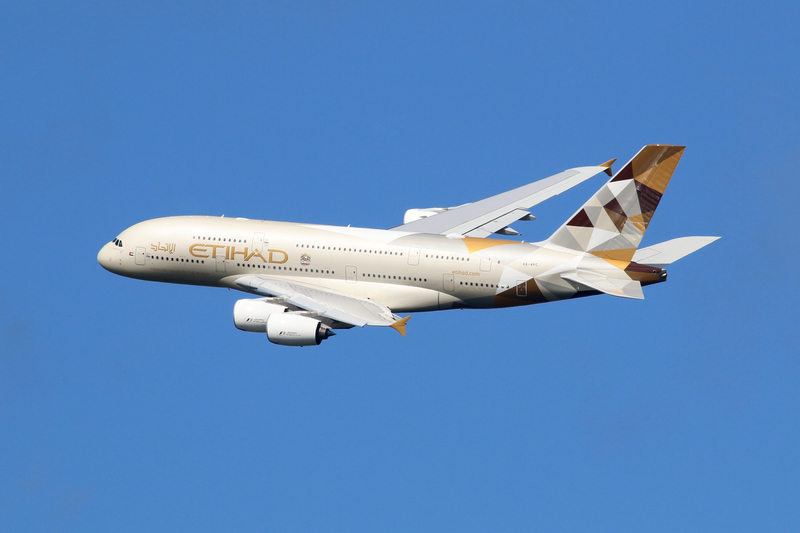
Etihad has also positioned the AUH–YYC flight with its latest widebody Business and Economy cabins—an important point for Calgary’s corporate base, where premium demand is often driven by project work, energy-sector travel, and time-sensitive business trips rather than pure leisure.
Why Calgary (YYC) makes sense—and why now
Calgary’s case is straightforward when you look beyond passenger counts and focus on what sustains long-haul routes:
-
Energy and investment ties: AUH and Calgary are both global energy capitals, and direct service reduces friction for corporate travel, delegations, and project-related movement.
-
Cargo potential: YYC has grown as a cargo gateway, and long-haul widebodies add valuable belly capacity—particularly relevant for specialized freight moving between North America and the Gulf.
-
Inbound tourism runway: direct access to the Canadian Rockies via YYC is a clean, marketable proposition for high-spend leisure demand from the Gulf and beyond.
-
Network logic: Western Canada has historically relied on routing through YYZ, YVR, or U.S. hubs for many Middle East itineraries. A nonstop from YYC removes backtracking and can shorten journey times while improving itinerary reliability.

This is also a statement about Calgary’s long-haul ambitions. Adding a Gulf carrier at scale elevates YYC’s role from “strong North American hub” to “true intercontinental gateway,” especially if the route performs well enough to justify increased frequency over time.
What AUH connectivity unlocks for YYC travelers
For Calgary-based travelers, the most immediate impact isn’t just “Abu Dhabi is now nonstop.” It’s what AUH enables in one stop. Etihad’s hub is built for onward connectivity, and for Western Canada that usually means easier routings to:
-
The GCC and broader Middle East
-
The Indian Subcontinent (a major VFR and business corridor for Canada)
-
Select markets in Asia and Africa that are often awkward to reach from YYC without multiple connections
Just as importantly, the flight offers a new premium option for western-based corporate travelers who value schedule certainty and a single-carrier long-haul product rather than stitched itineraries.
Competitive impact: the start of a new long-haul lane from YYC
A new Gulf widebody route tends to reshape markets quickly because it doesn’t only pull demand from competing airlines—it stimulates demand by improving routing quality. Expect the effects to show up in three places:
-
Itinerary share shift: fewer passengers forced through YYZ (or U.S. hubs) for Gulf/India routings.
-
Premium competition: a new long-haul Business product out of YYC changes corporate negotiating leverage and traveler preference dynamics.
-
Capacity and fare behavior: when a new nonstop arrives, the market often re-prices around it—especially for time-sensitive travel where one-stop routings have been the only practical option.
Bottom Line
Etihad’s new Abu Dhabi (AUH)–Calgary (YYC) service launching November 3, 2026 is a milestone route: the first nonstop link between the Middle East and Calgary, and a meaningful expansion of YYC’s long-haul reach. With a four-weekly, year-round Boeing 787-9 Dreamliner operation, the route is built to serve both Western Canada’s business demand and inbound leisure flows—while giving YYC travelers a new, efficient gateway into Etihad’s global network via AUH.
Keep reading FlyMag
Get the Daily Brief in the morning or the Route Watch weekly recap on Fridays. Or both.