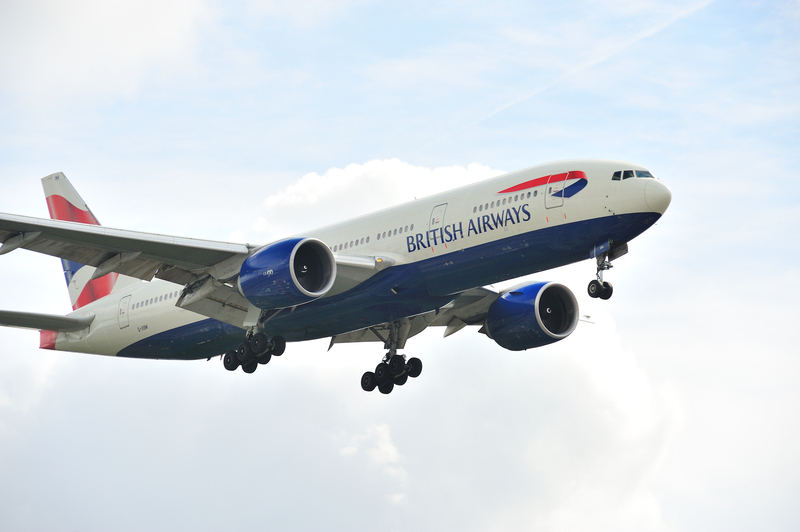
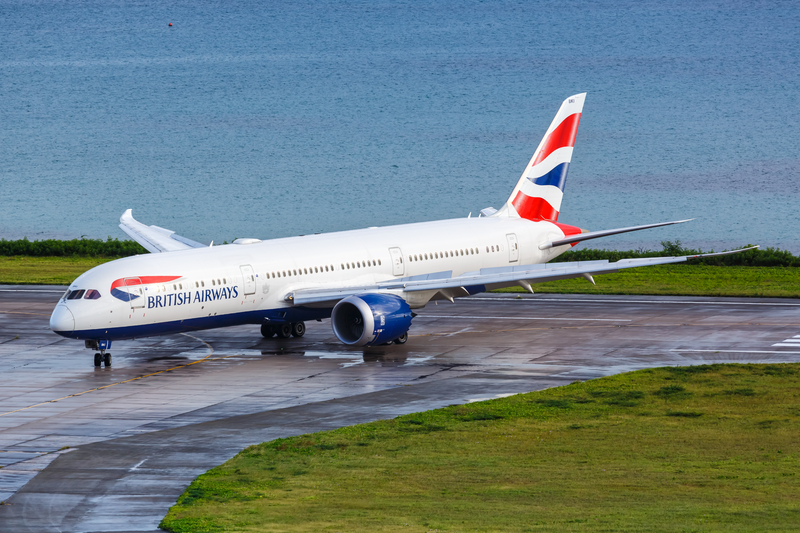
A British Airways Boeing 777-200ER bound for Washington Dulles International Airport (IAD) was delayed for hours at London Heathrow Airport (LHR) after an emergency slide was accidentally deployed during departure preparations.

The flight, BA217, was preparing to leave from Terminal 5 when the incident occurred. The aircraft involved was G-VIIY, a Boeing 777-200ER. What should have been a routine transatlantic departure turned into a major operational delay because once a slide deploys, the aircraft cannot simply continue as planned.
For aviation readers, that is the real story. This is less about embarrassment and more about how one relatively simple mistake can ground a large long-haul aircraft and trigger a chain of operational, technical, and financial consequences.
Read our stories in your inbox
Two aviation newsletters. Zero fluff.
The Slide Deployment Happened Before Departure
The incident occurred while the aircraft was still on the ground and preparing to leave Heathrow.
That matters because accidental slide deployments are ground events, not inflight emergencies, but they are still operationally serious. Once the door is opened while armed, the slide deploys automatically. At that point, the aircraft is effectively taken out of service until engineers can inspect the affected door area, remove or replace the slide, and complete the required checks before the airplane can be released again.

On a widebody preparing for a transatlantic sector, that can mean hours of disruption very quickly.
Why A Slide Deployment Causes Such A Long Delay
To passengers, a slide accidentally inflating beside an aircraft can look dramatic but fixable. For the airline, it is much more complicated.
A deployed slide has to be inspected, removed, and either repacked or replaced. The surrounding door mechanism must also be checked carefully to ensure no additional damage occurred in the deployment sequence. Only once that work is complete can the aircraft be cleared to fly again.
That is why BA217 was delayed by several hours rather than just a few extra minutes at the gate.
The Financial Impact Can Be Significant
Accidental slide deployment is one of those mistakes that sounds small but quickly becomes expensive.
Even before passenger compensation is considered, the technical cost can be substantial. Repacking a serviceable slide is already a serious maintenance expense. If the slide or related equipment requires replacement, the bill can rise sharply. On top of that, a long-haul delay from Heathrow to Washington can trigger compensation exposure, passenger reaccommodation costs, crew knock-on effects, and aircraft-utilization disruption later in the day.
That is why incidents like this are often described as six-figure mistakes.

British Airways Has Seen This Before
Part of what makes the event more notable is that it is not a one-off in broader British Airways context.
The airline has had other inadvertent slide deployments in recent years, including previous Heathrow incidents involving both cabin crew and flight deck personnel. That does not necessarily indicate a systemic failure on its own, but it does mean the latest event lands in a pattern that will attract extra internal scrutiny.
For an airline, repeat slide incidents matter not only because of direct cost, but because they raise questions about procedures, cockpit-cabin coordination, and how consistently door operations are being handled under pressure.
The Aircraft Still Continued The Flight
One operationally important detail is that the aircraft did not end the day stranded at Heathrow.
After the required work and delay, the Boeing 777-200ER was eventually cleared to operate the service to Washington and has since continued flying. That matters because it suggests the deployment, while disruptive, did not produce structural damage serious enough to keep the aircraft out of service long term.
For British Airways, that would have been one of the biggest immediate operational wins in an otherwise messy event.
This Was A Human-Factors Problem More Than A Technical One
At this stage, the event appears to fit into the category of human-factors error rather than mechanical failure.
That is important because slide deployments are usually not random technical malfunctions. They generally occur because of a sequence involving door arming, timing, and misunderstanding of procedure. In that sense, the aviation lesson here is less about the slide itself and more about how disciplined and unambiguous aircraft-door handling must be during the final stages before departure.
These are highly procedural tasks, and small deviations can have outsized consequences.
Bottom Line
British Airways’ latest emergency-slide incident on BA217 from Heathrow to Washington Dulles is a reminder that some of aviation’s costliest disruptions begin with very small mistakes. The accidental deployment of a 777 slide did not injure passengers or create an inflight emergency, but it still delayed a major long-haul departure for hours and likely cost the airline well into six figures by the time technical work and compensation are considered.
For British Airways, the bigger issue is not just this one delay. It is the fact that another slide deployment has now happened at all.
Keep reading FlyMag
Get the Daily Brief in the morning or the Route Watch weekly recap on Fridays. Or both.