British Airways is heading into 2026 with a route expansion that says as much about network discipline as it does about growth. Across British Airways mainline, BA Euroflyer, and BA Cityflyer, the airline is adding, restoring, or repositioning 10 nonstop routes from five UK airports: London Heathrow (LHR), London Gatwick (LGW), London City (LCY), London Stansted (STN), and Glasgow (GLA).

That matters because this is not a broad, unfocused buildout. Each route appears to serve a clear purpose, whether that is strengthening Heathrow’s long-haul reach, sharpening Gatwick’s leisure role, or giving BA Cityflyer more room to develop niche short-haul markets with right-sized aircraft.
The new and returning routes are:
Read our stories in your inbox
Two aviation newsletters. Zero fluff.
London Heathrow (LHR)–Guernsey (GCI)
London Heathrow (LHR)–St. Louis (STL)
London Gatwick (LGW)–Kalamata (KLX)
Glasgow (GLA)–Palma de Mallorca (PMI)
London Heathrow (LHR)–Tivat (TIV)
London City (LCY)–Toulon (TLN)
London Stansted (STN)–Olbia (OLB)
London Gatwick (LGW)–Chania (CHQ)
Glasgow (GLA)–San Sebastián (EAS)
London Heathrow (LHR)–Orlando (MCO)
Heathrow Remains The Center Of Gravity
The most strategically important additions are coming from Heathrow. That is where British Airways is introducing service to Guernsey Airport (GCI), St. Louis Lambert International Airport (STL), Tivat Airport (TIV), and bringing back a short peak-summer operation to Orlando International Airport (MCO).
The headline long-haul addition is St. Louis. British Airways will begin four-weekly Heathrow–St. Louis flights on April 19, giving STL a nonstop link to London once again and handing BA another opportunity to use Heathrow’s connecting strength to support a secondary U.S. gateway. For BA, this is a classic hub route. St. Louis may not rank with the carrier’s largest North American markets in local demand, but Heathrow gives it access to onward flows across Europe, the Middle East, India, and beyond.
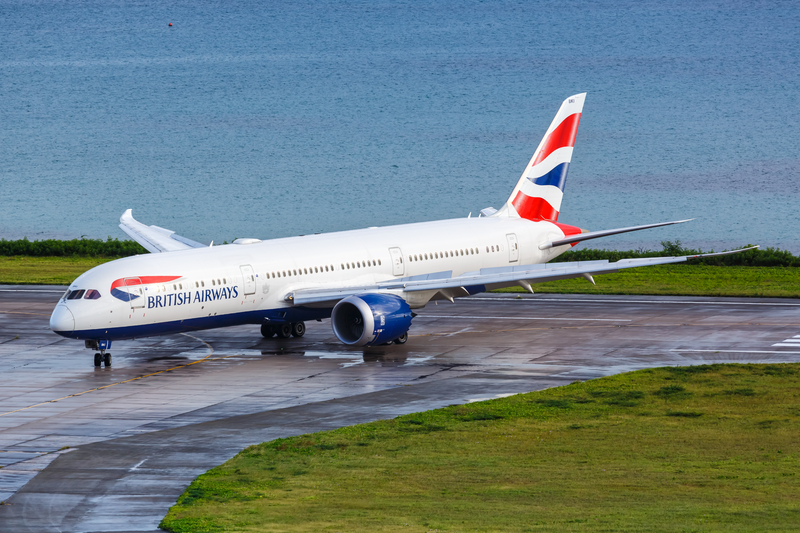
The aircraft choice is especially telling. British Airways is assigning the Boeing 787-8 to most Heathrow–St. Louis flying, with the larger 787-9 appearing on the first two services. The 787-8 is one of the airline’s most useful long-haul tools for thinner transatlantic sectors. It offers lower trip costs than larger widebodies, but still provides full long-haul capability and a competitive premium cabin product. In BA’s configuration, it is one of the better aircraft in the fleet for developing markets that are promising, but not yet large enough to justify a bigger aircraft year-round.
The return of Heathrow–Orlando is much more selective. British Airways is restoring LHR–MCO for a short summer window from July 21 through August 29, operating three times weekly with the Boeing 777-200ER. That is a targeted deployment rather than a full relaunch. Orlando is already well established in BA’s network from Gatwick, so Heathrow flying is less about market entry and more about capturing peak-period demand from passengers who prefer the premium, connectivity, and convenience advantages of Heathrow.
Then there is Guernsey. Heathrow–Guernsey is arguably one of the more important short-haul additions in the package because it is year-round. British Airways has not served Guernsey Airport (GCI) from Heathrow in the modern era, and the return gives the Channel Island a direct connection into the carrier’s primary long-haul hub. That is far more significant than a simple regional shuttle. It opens up smoother one-stop access from Guernsey to British Airways’ long-haul network while also strengthening Heathrow’s short-haul feeder structure.
Tivat, meanwhile, fits a very different Heathrow profile. The Montenegro market is strongly seasonal and skews toward premium leisure demand. That makes TIV the sort of destination that can work well from Heathrow despite limited frequency. British Airways will operate the route three times weekly with Airbus A320-family aircraft, underlining that this is a selective, high-summer play rather than a broad, volume-driven operation.
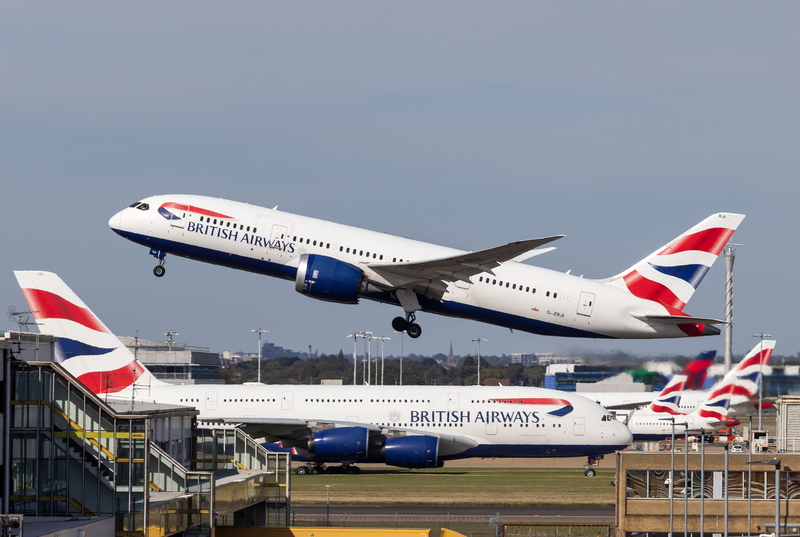
Gatwick’s Role In The Network Keeps Getting Clearer
Gatwick’s additions are not the biggest headlines, but they may be some of the clearest indicators of where British Airways is heading with its short-haul strategy.
The first is Chania. British Airways will add London Gatwick–Chania, complementing its existing Heathrow service to Crete. This is a smart dual-airport move. Heathrow captures higher-yield traffic and connecting opportunities. Gatwick gives BA stronger exposure to the point-to-point leisure segment, where western Crete continues to perform well in the summer market.
Kalamata is also revealing, even though the destination itself is not new to British Airways. The important detail is that Kalamata International Airport (KLX) is shifting from Heathrow to Gatwick. That says a great deal about how BA now views the route. Rather than using Heathrow capacity for a thinner, leisure-heavy Mediterranean service, the carrier is moving the operation into a more natural home at LGW, where BA Euroflyer’s short-haul structure is better suited to seasonal leisure flying.

This is the sort of network refinement that often gets overlooked. Airlines do not just add and cut routes. They reposition them. In this case, Gatwick is increasingly acting as the group’s natural platform for leisure-oriented Airbus narrowbody flying, while Heathrow is preserved for markets with greater feed value, premium upside, or strategic relevance.

BA Cityflyer Keeps Expanding Beyond Its Traditional Niche
Some of the most interesting route decisions in this expansion are coming from BA Cityflyer.
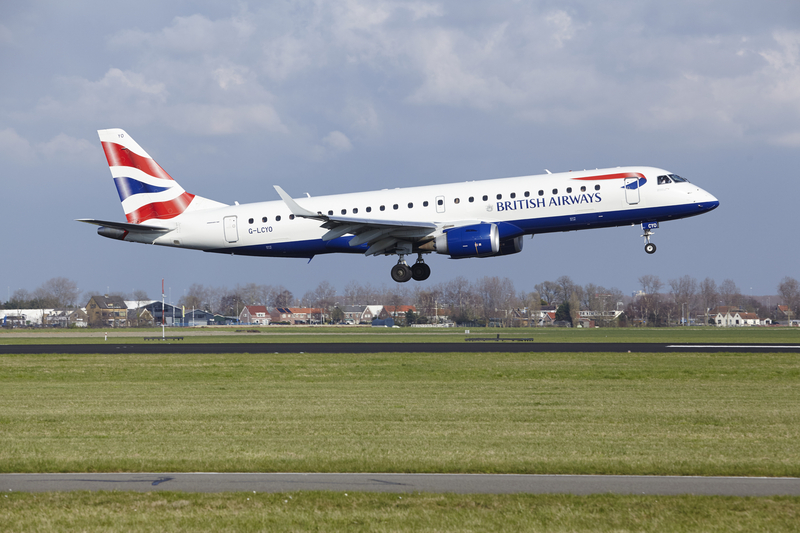
The carrier is adding London City–Toulon, London Stansted–Olbia, and Glasgow–San Sebastián, while also operating Glasgow–Palma de Mallorca. That mix says a lot about the versatility of BA Cityflyer’s Embraer 190 operation and the way British Airways is using it more creatively across the UK market.
London City–Toulon is a particularly strong fit. The Embraer 190 is well suited to thinner premium leisure sectors from LCY, where runway performance, frequency discipline, and right-sized capacity matter more than maximum seat count. Toulon Hyères Airport (TLN) also gives BA access to the western Riviera catchment without directly mirroring Nice. For a professional audience, that is the kind of route choice that stands out. It is not a copy-and-paste leisure market. It is a more selective play that reflects both aircraft capability and airport economics.
London Stansted–Olbia is another notable addition because it broadens BA’s London footprint without relying solely on Heathrow, Gatwick, or London City. Sardinia remains a classic high-summer market, and Olbia Costa Smeralda Airport (OLB) fits neatly into a seasonal, twice-weekly pattern. With the Embraer 190, BA can serve the market without carrying the weight of too much capacity in the shoulder periods.
Glasgow–San Sebastián may be the most interesting regional addition of all. San Sebastián Airport (EAS) is not a mass-market Mediterranean beach route. It is a destination with strong culinary appeal, upscale leisure demand, and a more specialized passenger profile. For British Airways, that makes it exactly the kind of route the E190 can unlock. The same logic applies, in a broader sense, to Glasgow–Palma de Mallorca. Palma is a far more established and mainstream leisure market, but the principle is similar: use a right-sized aircraft to capture profitable summer demand without overcommitting capacity.
The Aircraft Choices Explain The Strategy
Fleet assignment often tells the real story behind a route, and that is certainly true here.
On Heathrow–St. Louis, the Boeing 787-8 is doing precisely the job it was designed for. It gives BA long-range capability with lower seat count and better economics for a market that is important, but still developing. The type’s fuel efficiency and relatively modest capacity make it one of the best aircraft in the airline’s fleet for opening secondary long-haul routes from Heathrow.
On Heathrow–Orlando, the Boeing 777-200ER brings a different set of strengths. It offers more seats for one of the busiest leisure periods of the year while still supporting BA’s premium cabins and long-haul service proposition. That makes it a logical aircraft for a short, concentrated summer run.
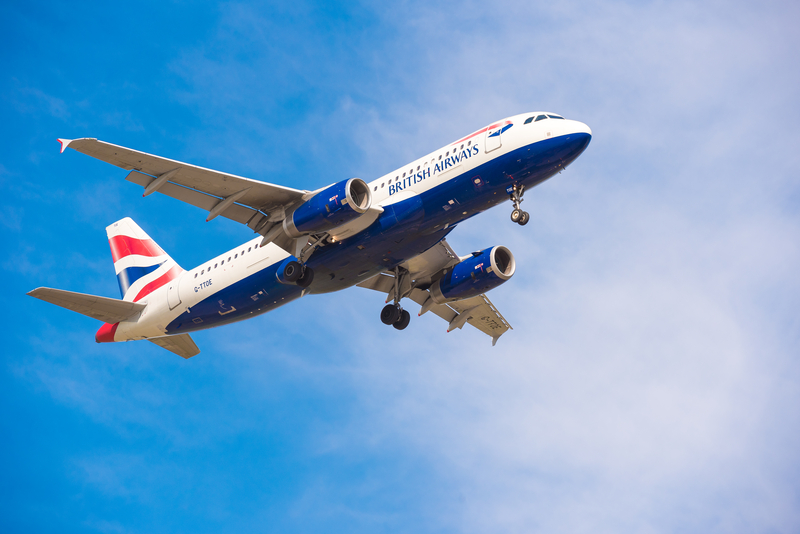
Across the short-haul additions, the Airbus A319, A320, A320neo, and A321 are doing the heavy lifting from Heathrow and Gatwick. These aircraft remain the backbone of British Airways’ European operation, with enough flexibility to handle everything from year-round regional flying to peak-summer Mediterranean demand.
Then there is the Embraer 190. For BA Cityflyer, the E190 is not just a fleet type. It is a network enabler. It allows the airline to serve airports and markets that would be too small, too seasonal, or too operationally constrained for larger Airbus narrowbodies. That is why it is such a useful platform for routes like London City–Toulon, London Stansted–Olbia, and Glasgow–San Sebastián.
What This Expansion Really Tells Us
British Airways’ 2026 route additions reveal an airline that is being more precise about what each airport in its system is supposed to do.
Heathrow is still the strategic core, but BA is reserving growth there for routes that either improve the hub structurally or offer strong premium and connecting potential. St. Louis, Guernsey, Tivat, and even the short Orlando return all fit that logic in different ways.
Gatwick is continuing to settle into its role as BA’s leisure-focused short-haul platform. Chania and Kalamata make sense there, and the move of KLX away from Heathrow reinforces the idea that BA is no longer trying to make every Mediterranean spoke fit the Heathrow model.
Meanwhile, BA Cityflyer is steadily becoming more than a London City operator. With flying from Glasgow and Stansted as well as LCY, it is emerging as a flexible tool for opening specialist short-haul markets that need precision rather than scale.
For airline professionals, that is the more interesting takeaway. The value here is not just that British Airways is adding 10 routes. It is that the carrier is matching airport, aircraft, frequency, and market profile with more discipline than many network headlines suggest.
Bottom Line
British Airways’ 2026 expansion is not about growth for growth’s sake. It is about sharpening the role of each part of the network.
Heathrow–St. Louis (LHR–STL) is the clearest strategic addition, using the Boeing 787-8 to open a secondary U.S. market with realistic economics and strong connectivity. Heathrow–Guernsey (LHR–GCI) may prove just as important in a different way, restoring a year-round link from the Channel Islands into BA’s main global hub. Heathrow–Orlando (LHR–MCO), though brief, shows how carefully BA is targeting peak summer demand.
At the same time, Gatwick is becoming even more clearly defined as the home for leisure-oriented Mediterranean flying, while BA Cityflyer continues to show how effective the Embraer 190 can be in opening thinner, higher-value short-haul sectors.
Taken together, these 10 routes show a carrier refining its network with intent. British Airways is not simply adding destinations. It is using the right aircraft, from the right airport, for the right market.
Keep reading FlyMag
Get the Daily Brief in the morning or the Route Watch weekly recap on Fridays. Or both.