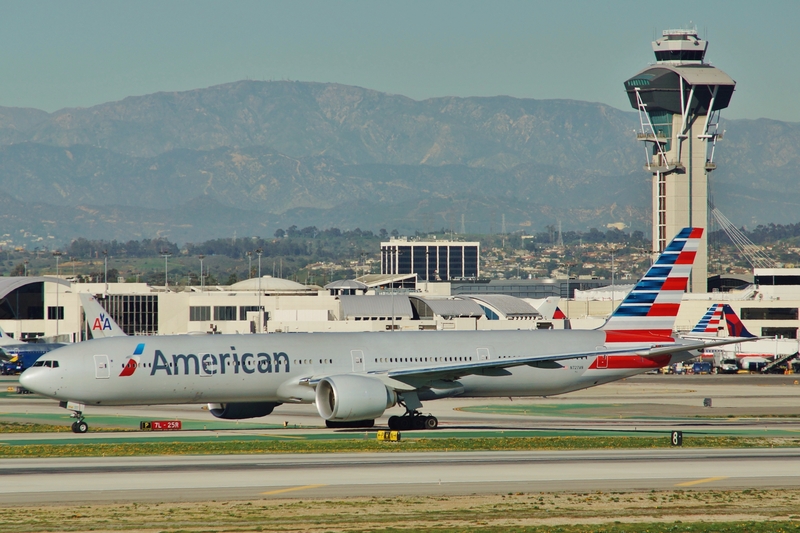
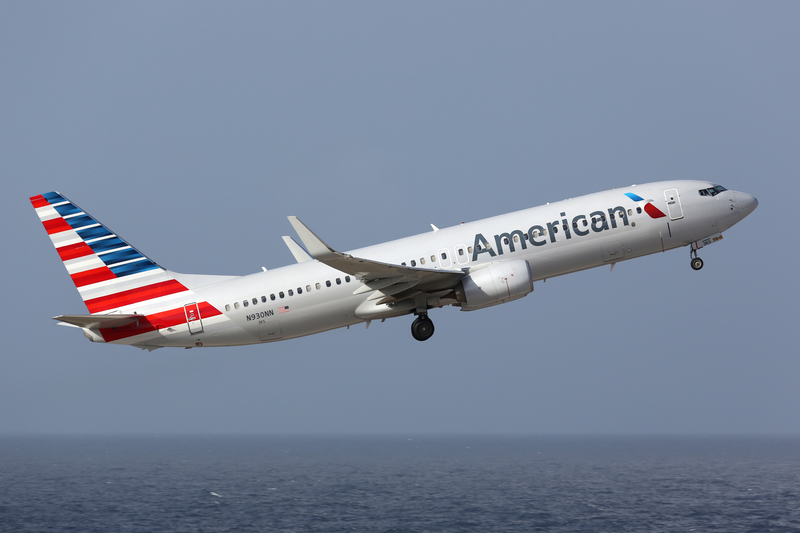
An American Airlines Boeing 777-200ER bound for London Heathrow Airport (LHR) was forced to return to Phoenix Sky Harbor International Airport (PHX) shortly after departure when the crew declared an emergency following an engine failure.

The aircraft, operating as AA194 from Phoenix (PHX) to London Heathrow (LHR), had only just begun its westbound climb before the pilots advised air traffic control that they were unable to restart the failed left engine. The widebody then remained in the local area long enough to set up for a return to Phoenix, ultimately landing significantly above normal landing weight with what the crew described as roughly 11 hours of fuel still onboard.
For an airline operations audience, this is the real story. The incident was not only about the engine failure itself. It was about what happens when a long-haul aircraft suffers a major systems event immediately after takeoff, while still carrying nearly a full transatlantic fuel load.
Read our stories in your inbox
Two aviation newsletters. Zero fluff.
The Emergency Happened Only Minutes After Departure
AA194 left Phoenix in the late afternoon for what should have been a routine westbound departure toward Europe. Instead, within minutes of takeoff, the crew transmitted a mayday and advised controllers that one engine had failed and could not be restarted.
That detail matters because timing shapes the entire response. If an engine issue occurs many hours into a long-haul sector, the crew’s decision-making is often about diversion airports, fuel burn, and system redundancy at cruise. When it happens almost immediately after departure, the aircraft is still heavy, still close to origin, and usually still within practical reach of its departure hub. In that scenario, returning to base is often the most sensible option.
That appears to be exactly what happened here.
Why The Crew Chose A Heavy Return Instead Of Fuel Dumping
One of the most discussed aspects of the event is that the crew did not dump fuel before landing, despite still having enough onboard for a full transatlantic mission.
That choice may sound dramatic to non-aviation readers, but it is not necessarily unusual. Fuel jettison is not always the preferred answer, especially if the aircraft’s condition is stable, the runway available is long enough, and the airline can accept the maintenance inspection that follows a heavy landing. A crew operating on one engine may reasonably decide that the safest course is to return promptly and get the airplane on the ground rather than extend the event while burning or dumping fuel.
In this case, Phoenix’s Runway 08/26, the airport’s longest runway, gave the crew a suitable landing option for a very heavy Boeing 777.
The 777 Used Almost The Entire Runway
Reports from the return to Phoenix indicate that the aircraft used nearly the full available landing distance before slowing safely.
That is exactly what you would expect from a heavy twin-engine widebody returning shortly after departure. The aircraft was carrying long-haul fuel and landing with a substantial weight penalty compared with a normal arrival from London. On top of that, braking performance and stopping distance become much more critical after an overweight landing, particularly when a large aircraft is back on the ground following a one-engine return.
The airplane reportedly remained on the taxiway after clearing the runway so the brakes and landing gear could cool, which is fully consistent with the kind of thermal stress expected after a heavy landing.

The Aircraft Will Need More Than A Routine Inspection
An overweight landing after an engine failure is not just another return-to-base event.
Even if the aircraft lands safely and taxis under its own power, maintenance teams must inspect the airframe, landing gear, brakes, wheels, and related systems to confirm that the aircraft can return to service. The failed engine itself will also require detailed inspection, and depending on the nature of the failure, that could mean anything from component replacement to a longer maintenance grounding.
That is why these incidents can quickly disrupt an airline’s long-haul schedule. Even a textbook safe return can still take a widebody out of service for days.
The Aircraft Type And Age Are Relevant, But Not The Story
The aircraft involved, N759AN, is an older Boeing 777-200ER by current fleet standards.
That is relevant in the sense that older long-haul aircraft can face more frequent technical challenges than newer-generation widebodies. But the central issue here is not age by itself. It is that the aircraft suffered an engine failure early in a demanding international mission and the crew managed the event correctly. At this stage, there is no reason to frame the incident as anything broader than a specific technical failure on a specific aircraft.
The investigation will determine the actual cause.
Why Returning To Phoenix Was Operationally Logical
From an airline perspective, Phoenix was the best place for the problem to end.
It is the departure hub, the crew knew the airport environment, the maintenance support chain was already in place, and the airline could re-accommodate passengers far more effectively there than at an intermediate field. Had the crew continued west or diverted elsewhere, the operational disruption could have become even more complicated, especially with a disabled 777 and a full load of transatlantic passengers.
That is one reason “flight to nowhere” events, while frustrating for customers, often make perfect sense operationally. Returning to the maintenance base usually gives the airline the best chance to control what comes next.
Bottom Line
American Airlines flight AA194 from Phoenix (PHX) to London Heathrow (LHR) returned to Arizona shortly after departure after the crew declared an emergency for an engine failure and advised that the left engine could not be restarted. The Boeing 777-200ER landed safely, but because it came back with much of its transatlantic fuel still onboard, the aircraft performed an overweight landing and used nearly the full length of Phoenix’s longest runway.
The safe outcome is the most important part of the story. But from an airline operations perspective, the event is also a useful reminder of how quickly a long-haul flight can become a serious weight, performance, and maintenance challenge when a major failure occurs minutes after takeoff.
Keep reading FlyMag
Get the Daily Brief in the morning or the Route Watch weekly recap on Fridays. Or both.