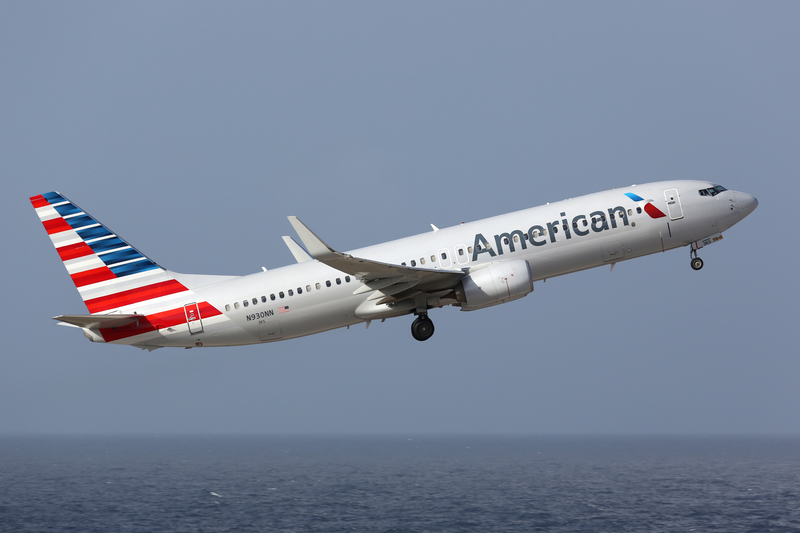
American Airlines (AA) says it is preparing to reconnect the U.S. and Venezuela for the first time since suspending service in 2019, positioning itself as the first major U.S. carrier to publicly outline a return plan—but only once U.S. government approvals and security requirements are satisfied.

That conditional framing is the story. This isn’t a typical “new route” launch; it’s a restart of a market that has been administratively shut to scheduled commercial flying for years, with multiple federal agencies involved before the first boarding pass can be scanned.
What American has actually announced
American’s message is straightforward: it intends to resume daily service to Venezuela, pending government approval and subject to security assessments. The airline says it is coordinating with regulators, stakeholders, and internal groups to ensure any restart meets safety and security expectations for both passengers and crew.
Read our stories in your inbox
Two aviation newsletters. Zero fluff.
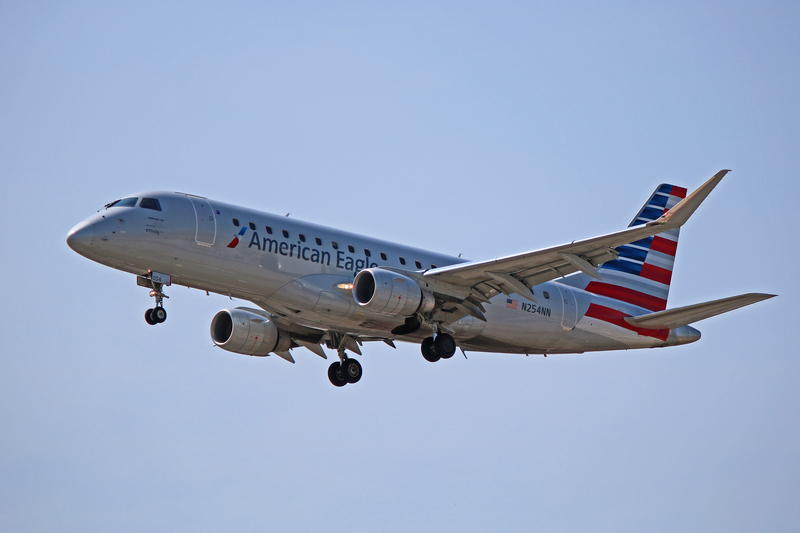
American also leaned into the historical context. The carrier began flying to Venezuela in 1987 and at its peak was the largest U.S. airline presence in the country, supporting business travel, tourism, and a large visiting-friends-and-relatives market.
The regulatory runway before any flight can depart
A restart like this hinges on process, not just demand.
In 2019, the U.S. government suspended scheduled commercial passenger and cargo flights between the two countries after a security determination, and the market effectively went dark for U.S. carriers. Any reopening requires the policy barrier to be lifted and the operational checks to be re-established.
Before AA can publish a firm start date, the practical checklist typically includes:
-
DOT authority and operating permissions for scheduled service in the market
-
TSA security assessments and validation that airport security measures meet U.S. requirements
-
FAA-related operational alignment, including any airspace, procedural, and compliance considerations
-
Station readiness, including vendor contracts, ground handling, fueling, catering, and contingency support at the destination
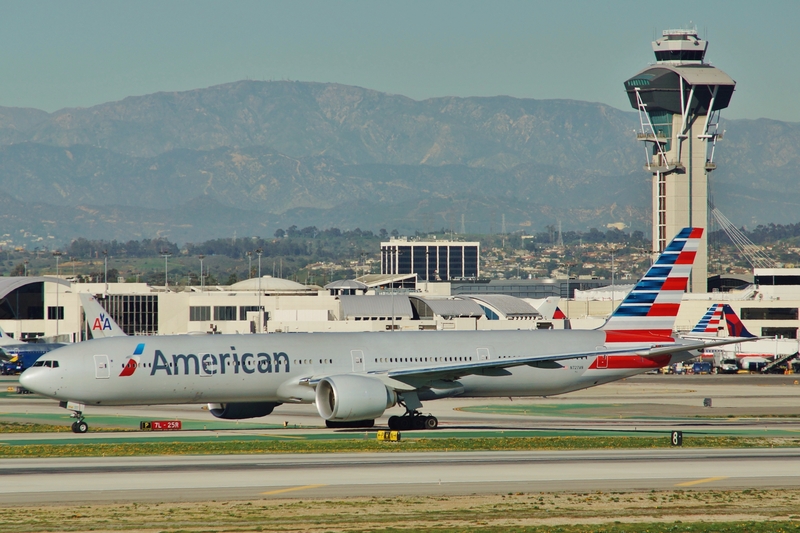
For airline professionals, the key point is that even if the political switch is flipped, the operational switch still takes time. The “we’re ready” statement is meaningful—but the real milestone will be when AA publishes a route, days-of-operation, and inventory that survives final approvals.

The most likely route: Miami and Caracas are the logical starting point
American hasn’t specified city pairs yet, but if the airline goes first, the obvious reopening candidate is Miami (MIA)–Caracas (CCS), linking the carrier’s largest Latin gateway with Venezuela’s primary international airport, Simón Bolívar International (CCS).
From a network standpoint, MIA does three things well for a Venezuela relaunch:
-
Concentrates origin-and-destination demand, especially South Florida’s large Venezuela-linked community
-
Provides broad one-stop connectivity across the U.S. on a single hub structure
-
Simplifies operational recovery if irregular operations or security-driven constraints emerge early in the restart phase
If AA chooses a different first route, it would likely still be anchored at MIA for the same reason: hub economics and operational control.
Aircraft strategy: narrowbody economics, widebody discipline
The stage length between South Florida and northern Venezuela is well within modern narrowbody performance, and a narrowbody is usually the disciplined choice for reopening a politically and operationally sensitive market.
In practice, AA has multiple aircraft families that fit the mission profile:
-
Airbus A321-family: strong unit economics, range flexibility, and a cabin that supports both leisure and business demand
-
Boeing 737-family: similarly well-matched to the distance, with high fleet availability and proven reliability on Caribbean/South America-style flying
If AA truly intends to operate daily service quickly, fleet availability and maintenance planning will matter more than “perfect” product alignment. Early restarts typically prioritize operational resilience: an aircraft type that can be swapped easily if a tail goes tech or a rotation needs reshuffling.
Why demand never really disappeared
Even with the route closed, demand didn’t vanish—it rerouted.
When nonstop options go away, traffic typically migrates to indirect itineraries via third countries, mixed-carrier combinations, or charter-style workarounds. That creates three predictable outcomes:
-
Higher fares due to fewer options and longer routings
-
More travel friction (extra stops, re-checks, longer minimum connection times)
-
Persistent VFR demand, because family ties don’t pause when flight schedules do
That’s why a U.S. carrier returning—especially one with the scale and distribution of American—could reshape the market quickly. A daily nonstop into the right gateway is not just “one more flight”; it becomes the default choice for many travelers the moment it is reliably available.
The operational realities AA will need to prove
If the restart proceeds, the initial months will be less about passenger loads and more about execution:
-
Security compliance and station procedures that satisfy U.S. oversight
-
Crew confidence and duty-of-care protocols in a market that previously triggered major safety concerns
-
Disruption recovery plans, including where a flight diverts and how passengers and aircraft are handled if conditions change
-
Commercial pacing—avoiding over-committing capacity before the operating environment is stable
In other words, the first flights will function as both a transport product and a live operational test.
Bottom Line
American Airlines says it is preparing to restart Venezuela flying for the first time since 2019, targeting daily service once government approvals and security assessments are complete. The most logical launch pattern is Miami (MIA) to Caracas (CCS) on a narrowbody aircraft, but the decisive moment will be when AA can publish a firm schedule that clears DOT/TSA/FAA gates and demonstrates stable station operations. Until then, this is best read as a credible intent statement—with meaningful work still required before Venezuela is truly “back on the map” for U.S. scheduled service.
Keep reading FlyMag
Get the Daily Brief in the morning or the Route Watch weekly recap on Fridays. Or both.