airBaltic and two subsidiaries filed for Chapter 11 bankruptcy protection in New York on September 14, opening a court-supervised restructuring intended to reduce the airline’s financial obligations while keeping it in operation.
The voluntary petitions cover Air Baltic Corporation AS, Air Baltic Training SIA and cargo-handling subsidiary Baltijas Kravu Centrs SIA. The cases were filed in the U.S. Bankruptcy Court for the Southern District of New York, with airBaltic’s main proceeding assigned case number 26-12188.
Chapter 11 allows airBaltic to continue operating as a debtor in possession while it negotiates with creditors, lessors and other stakeholders. It is a reorganization process rather than a move to cease flying or liquidate the airline.
Read our stories in your inbox
Two aviation newsletters. Zero fluff.
Flights and Bookings Remain in Place
airBaltic said in its company announcement that scheduled flights, ticket sales and customer services would continue without interruption. Existing tickets and reservations remain valid, while refunds, vouchers, gift cards and credits connected with baggage or service claims will continue to be handled under the airline’s existing policies.
The airline’s management and supervisory boards will remain in place. airBaltic also intends to continue paying suppliers, service providers and other partners in the ordinary course, subject to the court approvals typically sought at the beginning of a Chapter 11 case.

The court’s calendar listed a September 15 hearing on airBaltic’s initial motions, including requests to maintain its cash-management system, bank accounts and intercompany transactions. The airline also asked for authority to pay certain pre-filing claims held by non-U.S. vendors and lien claimants, measures intended to prevent disruption across its international operation.
For passengers, the immediate test will be whether the airline can maintain schedule reliability and confidence in forward bookings. airBaltic continues to sell flights from its primary hub at Riga Airport (RIX), and its revised strategy remains centered on preserving Latvia’s links with European and longer-range markets.
€350 Million Financing Commitment
airBaltic enters Chapter 11 with a commitment for €350 million in debtor-in-possession financing. Strategic Value Partners is arranging the facility, with Barclays, Hayfin Capital Management, Morgan Stanley and Oaktree Capital Management participating as additional lenders.
The financing remains subject to court approval. Combined with cash generated by the airline, airBaltic expects it to provide enough liquidity to operate during the restructuring, which the company aims to complete around June 2027.
The €350 million commitment is larger than the €225 million of interim financing contemplated in the business plan published in August. That plan also assumed a permanent exit-financing package consisting of €225 million in new debt and €100 million in new equity, alongside the conversion of some existing financial, lease and bond obligations.
Before the filing, airBaltic had been seeking consent from holders of its €380 million of 14.5% senior secured bonds due in 2029. A September bondholder notice described interim funding as critical to meeting near-term liquidity requirements and said the existing flight program would continue during the capital-structure review.
A Smaller Airline Built Around Riga
Chapter 11 provides the legal mechanism for a broader retrenchment already set out by management. airBaltic’s revised plan abandons the scale envisaged under its previous growth strategy and concentrates scheduled flying around Riga, with selected point-to-point services from secondary bases and a larger role for seasonal and tactical deployment.
The company is targeting approximately €45 million in annual operating-cost reductions through fleet, network and operational changes. Scheduled-service capacity is projected to fall from 9.6 billion available seat kilometers in 2026 to 8.7 billion in 2027 before gradually recovering later in the decade.
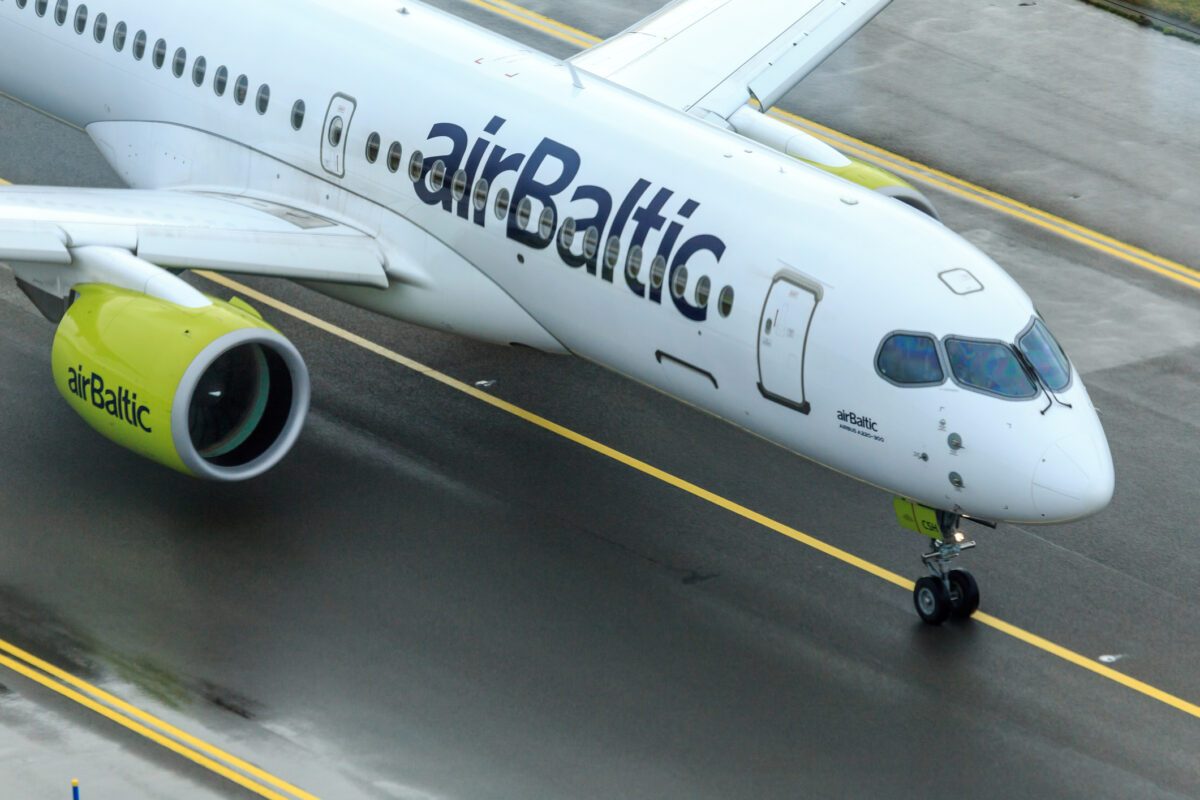
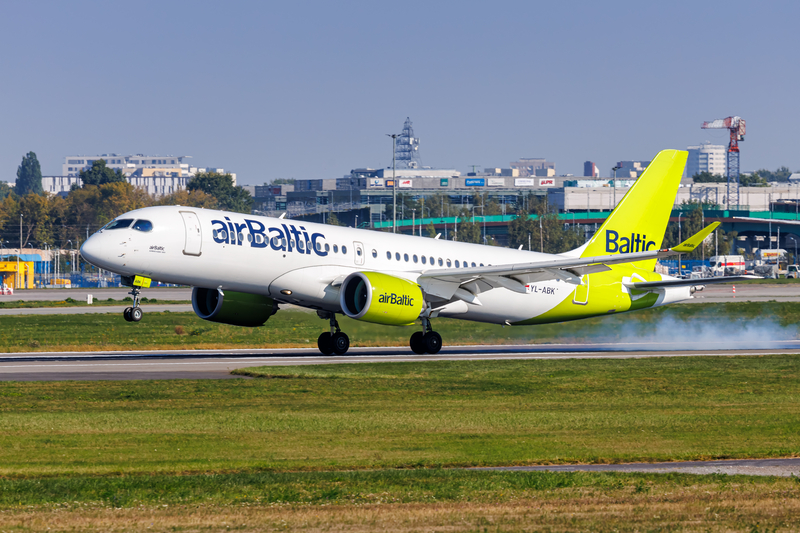
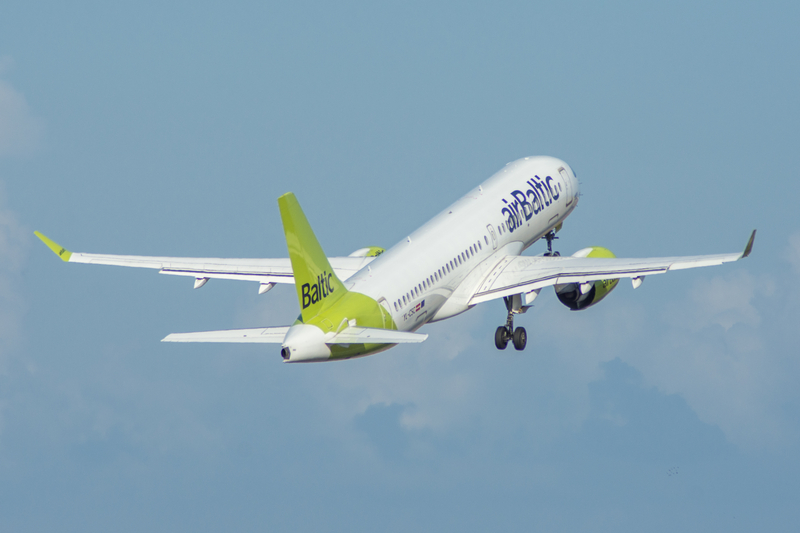
The fleet will remain built entirely around the Airbus A220-300. airBaltic’s investor site currently lists 54 aircraft, but the revised plan models a fleet of 36 at the end of 2026 and approximately 40 aircraft by 2031, compared with about 100 under the earlier strategy.
That smaller fleet would still support both scheduled services and ACMI work for other airlines. airBaltic markets its A220-300 in a 148-seat configuration for ACMI and charter operations. The aircraft’s five-abreast cabin and long-sector capability make it suitable for the airline’s mix of thinner European routes, longer services from Riga and capacity contracts with larger network carriers.
The restructuring follows a sharp deterioration in airBaltic’s balance sheet despite improving revenue. Its first-quarter accounts showed revenue rising 12.3% to €149.1 million and adjusted EBITDAR improving to €7 million. The group nevertheless recorded a €70.1 million net loss, negative equity of €249.3 million and unrestricted cash of €15.6 million at March 31.
Those accounts warned that constrained cash, short-term state financing and uncertainty over the capital restructuring created material doubt over the group’s ability to continue as a going concern. Latvia subsequently adopted a financial-stabilization law permitting the government to extend or convert state claims and participate in bridge financing under specified limits.
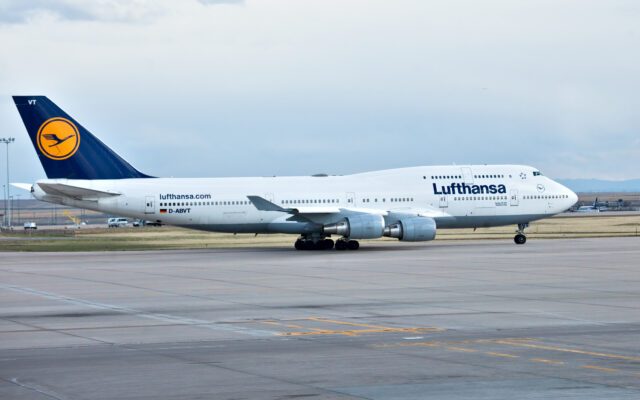
The Latvian state controls 88.37% of airBaltic’s voting rights, while Lufthansa holds 10%. Chapter 11 now shifts the restructuring into a single court process covering an airline whose aircraft leases, bond financing and other major obligations extend across several jurisdictions.
Bottom Line
airBaltic’s filing preserves a functioning airline, but it also confirms that the previous growth model could not be financed on its existing balance sheet. The immediate beneficiaries are passengers, employees and airports that retain service while negotiations proceed. Creditors gain a structured forum, although the planned debt reduction and equitization mean some will be asked to accept materially different economics.
The fleet is likely to be the most consequential operational issue. A reduction toward 36 aircraft would force tighter choices between Riga connectivity, secondary-base flying and ACMI contracts. The A220-300 remains well matched to airBaltic’s network, but aircraft ownership, lease terms and delivery commitments will matter as much as the type’s operating performance during the restructuring.
What emerges by mid-2027 may be a smaller and more Riga-focused carrier, with ACMI flying used to balance seasonal demand rather than support another expansion cycle. The key indicators will be court approval and uptake of the €350 million financing, agreements with aircraft lessors and bondholders, and the level of fresh equity ultimately supplied by Latvia, Lufthansa or new investors.