Aeroflot says it expects half of its fleet to consist of Russian-made aircraft within the next decade, a target that would mark one of the most significant fleet shifts in the airline’s modern history.

The airline’s stated aim is a 50/50 split between imported and domestically produced aircraft by 2036, according to CEO Sergey Aleksandrovsky. For a carrier that still relies heavily on Airbus and Boeing jets across Aeroflot, Pobeda, and Rossiya, that is a major strategic signal.
This is not simply a fleet-planning exercise. It is a political, industrial, and operational strategy rolled into one.
Read our stories in your inbox
Two aviation newsletters. Zero fluff.
The Goal Reflects More Than Airline Economics
Aeroflot’s fleet decisions no longer sit only inside normal commercial logic.
The airline is operating in an environment where Western sanctions, spare-parts access, and the long-term viability of imported aircraft in Russia have become structural questions rather than temporary disruptions. In that context, increasing the share of Russian-built aircraft is not just about national preference. It is about reducing dependence on foreign-made fleets that may become harder and more expensive to sustain over time.

That is why the 50% target matters. It reflects an attempt to reposition Aeroflot Group around a more domestically anchored fleet base.
The MC-21 Is The Centerpiece Of The Plan
The most important aircraft in this strategy is clearly the MC-21-300.
Aeroflot has indicated it plans to acquire more than 200 MC-21-300s by 2033, which would make the type the backbone of its medium-haul future if deliveries arrive anywhere close to schedule. That matters because the MC-21 is not just another aircraft on order. It is the intended replacement pillar for a very large share of the group’s Airbus and Boeing narrowbody flying.
In other words, the 50% domestic-fleet target is difficult to imagine without the MC-21 arriving in real volume.

Today’s Russian-Built Share Is Still Relatively Modest
Right now, Aeroflot Group is still far from that 50/50 split.
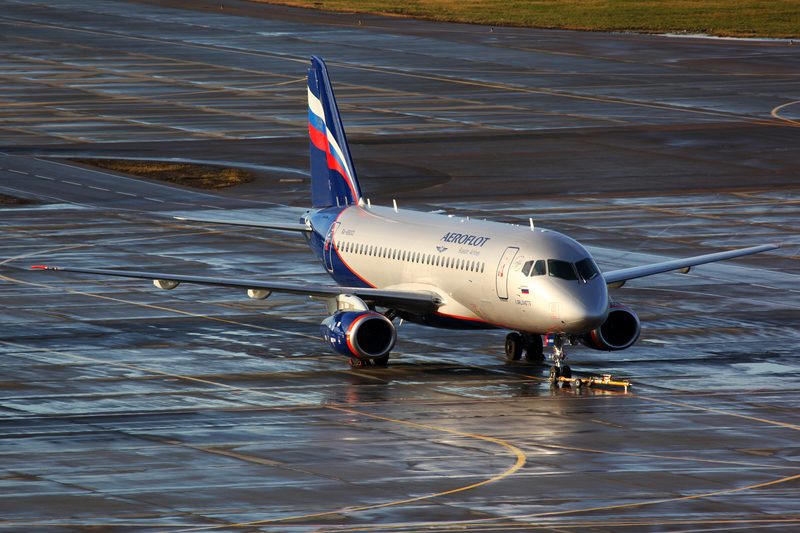
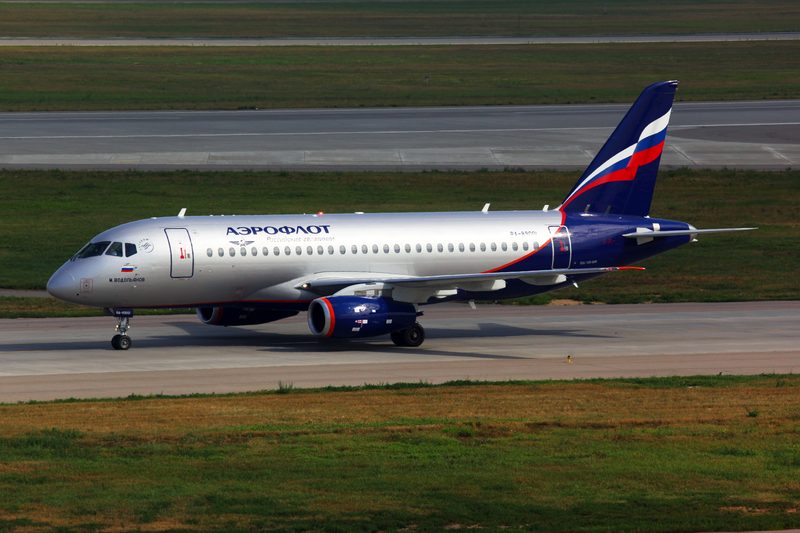
The domestic portion of the group fleet is currently around 20%, largely made up of Superjet 100/95B aircraft. That means the airline is talking about more than doubling the current domestic share over the next decade.
That is a substantial jump, especially when you consider the group’s overall scale and its continued reliance on imported narrowbodies and widebodies for a large portion of its operations.
So while the 2036 goal is clear, the starting point makes just as clear how much has to change to get there.

This Is Also A Narrowbody Story More Than A Widebody One
The fleet shift is likely to be driven more by short- and medium-haul flying than by long-haul replacement.
That is because the MC-21 and Superjet families are the practical tools available for building domestic share at scale. Imported Airbus A320-family aircraft and Boeing narrowbodies currently form a huge part of Russian airline operations, so replacing those over time is where the domestic-fleet ratio can move most dramatically.
That makes Aeroflot’s strategy especially important in domestic and regional traffic terms. The 50% goal is less about replacing every foreign flagship jet and more about restructuring the everyday backbone of the network.
The Delivery Challenge Is The Real Question
The credibility of the target depends overwhelmingly on one thing: production.
Aeroflot can set the strategy, but achieving it depends on whether Russian industry can actually deliver MC-21s and other domestically produced aircraft in large enough numbers and on a realistic timeline. That remains the hardest part of the story.
Russia’s civil aircraft programs have seen repeated delays, especially as domestic manufacturers have had to replace foreign components and rebuild supply chains under sanctions pressure. Even where test flights and production plans are moving forward, large-scale fleet induction is much harder than making policy statements.
That does not mean the target is impossible. It does mean it is heavily dependent on industrial execution rather than airline intent alone.
The Fleet Mix Will Still Remain Partly Imported For A Long Time
One important nuance in the CEO’s remarks is that Aeroflot is not talking about going fully domestic.
The strategy explicitly assumes a 50/50 balance, not a complete replacement of imported aircraft. That suggests the airline still expects foreign-made jets to remain central to part of the operation well into the 2030s, whether because of fleet practicality, network requirements, or the limits of domestic production.
That is a more realistic position than a headline-grabbing “all-Russian fleet” narrative would be. It acknowledges both the strategic push for domestically produced aircraft and the practical reality that imported jets are still deeply embedded in the airline’s operating structure.
This Is A Fleet Strategy With National Significance
Because Aeroflot is Russia’s flag carrier and largest airline group, its fleet plan has significance well beyond the airline itself.
If Aeroflot succeeds in moving toward a 50% domestic fleet, it would provide a major commercial foundation for Russia’s aircraft manufacturing ambitions. It would also help create the volume needed to support maintenance, pilot training, spare-parts ecosystems, and operational confidence around Russian-built types.
That makes the fleet target a signal to the market as much as a statement of internal strategy. It tells manufacturers, regulators, and the wider aviation system that Aeroflot intends to be a major anchor customer for the domestic aircraft industry.
Bottom Line
Aeroflot’s goal of reaching a 50% Russian-made fleet by 2036 is one of the clearest signs yet of how deeply Russia’s aviation strategy is changing. With only about 20% of Aeroflot Group’s current fleet domestically produced, the plan depends heavily on the successful large-scale delivery of the MC-21-300, which the airline expects to acquire in volumes exceeding 200 aircraft by 2033.
That makes this less a routine fleet-renewal story than a long-term industrial strategy. The target is ambitious and politically significant. Whether it is achievable will depend far less on Aeroflot’s desire to reach it than on whether Russia’s aircraft manufacturing system can deliver the airplanes needed to make the math work.