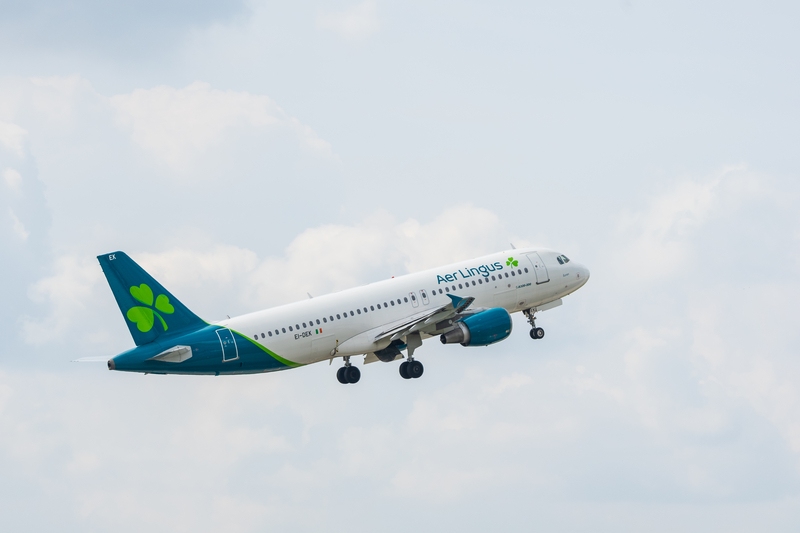
Aer Lingus has cut more than 500 flights from its summer 2026 schedule, a notable reset just as the airline moves into the busiest part of the year. The carrier says mandatory aircraft maintenance is the main driver behind the changes, with passengers being rebooked where possible or offered refunds.

On paper, the reduction accounts for only a small share of Aer Lingus’ total summer operation. In practice, it is still significant. When a network carrier trims hundreds of flights at the front end of peak season, the issue is not just the number itself. It is what the cuts say about fleet availability, schedule resilience, and how much spare capacity the airline really has once summer demand ramps up.
For aviation readers, this is less a story about one-off cancellations and more a reminder of how exposed short-haul and regional networks can become when aircraft start coming out of service during the highest-utilization period of the year.
Read our stories in your inbox
Two aviation newsletters. Zero fluff.
More Than 500 Flights Have Been Removed From The Summer Schedule
Aer Lingus has confirmed that more than 500 flights are being removed from its summer timetable over the coming weeks. While the airline has characterized the figure as a relatively small percentage of its total operation, the number is still large enough to affect thousands of passengers during a period when load factors are typically strong and reaccommodation options can quickly become tighter.
That matters because summer schedule reductions are rarely felt evenly. Even when the overall percentage looks manageable, disruption tends to be concentrated on certain routes, certain days, and certain departure banks. That means the customer impact can be much more noticeable than the raw share of the operation might suggest.
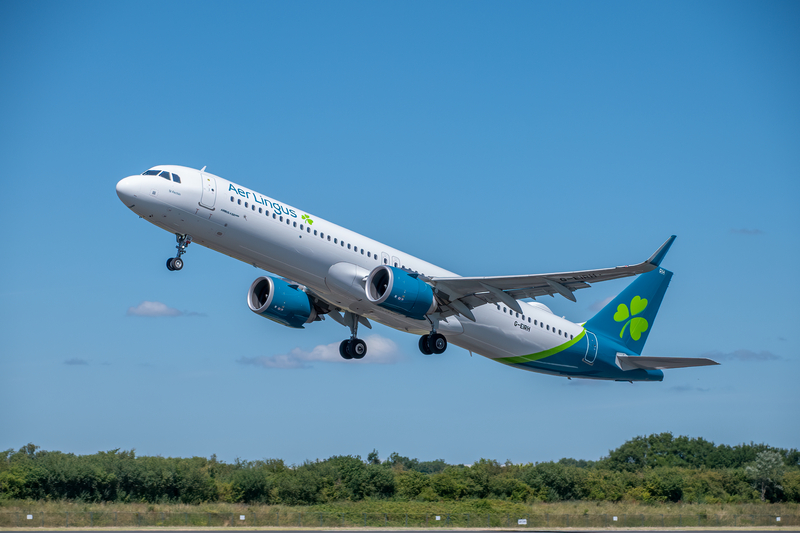
For a carrier as dependent on tightly structured European flying as Aer Lingus, a cut of this size is operationally meaningful.
Dublin And Regional Flying Look To Be Among The Most Exposed
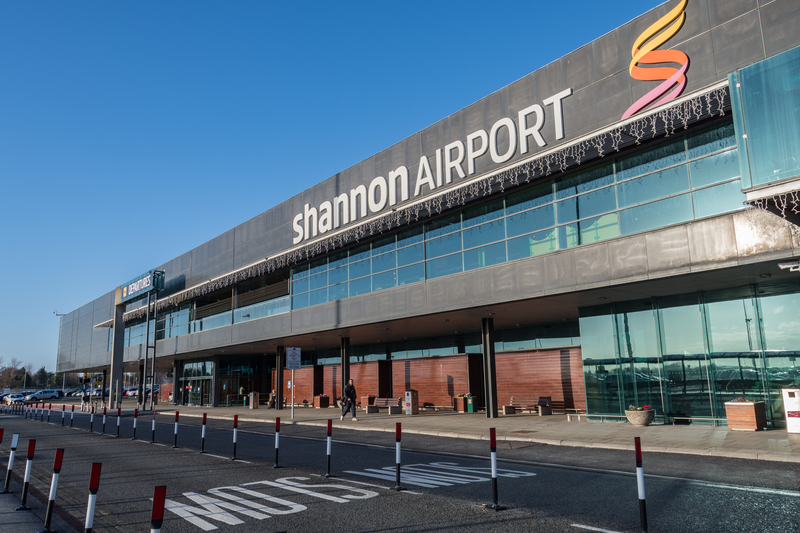
The routes reported as affected include services from Dublin Airport (DUB) to cities such as Amsterdam Schiphol Airport (AMS), Berlin Brandenburg Airport (BER), and Faro Airport (FAO). Flights involving regional bases, including Cork Airport (ORK) and Shannon Airport (SNN), are also part of the wider disruption picture.
This route mix is not surprising. When airlines need to make surgical schedule reductions, short- and medium-haul European sectors are often where changes can be made most quickly. Frequencies can sometimes be consolidated, aircraft rotations simplified, and displaced passengers spread across other same-day services more easily than on long-haul routes.
That does not make the disruption minor. In a peak-season operation, even a trimmed short-haul schedule can create knock-on issues for onward connections, airport staffing, aircraft positioning, and customer confidence.
Maintenance Is The Main Issue, And That Is An Important Distinction
Aer Lingus has been clear that the main cause is mandatory aircraft maintenance.
That wording matters. This is not being presented as a demand issue, a commercial retreat, or a fuel-driven network rethink. It is a fleet-availability problem. In airline operations, that is a very different category of disruption.
Mandatory maintenance means the airline has aircraft that need to come out of service to meet required technical obligations, reducing the number of frames available to operate the timetable as originally planned. Once that happens during summer, the schedule often has to be rewritten around what the fleet can realistically sustain, not what was originally sold.
From an operational standpoint, trimming the timetable early is usually the better choice. It is far preferable to running an overstretched schedule that produces rolling day-of-travel cancellations, poor recovery performance, and wider network instability.
Summer Is The Worst Time For Fleet Availability Problems
The timing makes this more serious than the headline number alone might suggest.
During summer, airlines typically run their narrowbody fleets hard. Aircraft are scheduled for multiple daily sectors, turnaround times are kept tight, and there is often limited slack left in the system. That means every unavailable aircraft matters more than it would in a quieter season.
For Aer Lingus, that is especially relevant on short-haul services from Dublin Airport (DUB), Cork Airport (ORK), and Shannon Airport (SNN), where fleet productivity is central to making the schedule work. If even a small number of aircraft are unavailable, the resulting operational pressure can spread quickly across several rotations.
That is why maintenance-related summer cancellations often feel outsized compared with their percentage share of the schedule. The real issue is not simply the cancelled flight. It is the reduced resilience behind the remaining ones.
Rebooking Will Help, But It Will Not Make The Problem Disappear
Aer Lingus says it expects most affected passengers to be rebooked on alternative same-day flights where possible, which is the right first step operationally and commercially.
Still, being reaccommodated is not the same as being unaffected. A later departure, an airport change, a longer connection, or a different routing can all materially alter the travel experience, especially in peak summer when travelers may have hotels, tours, or onward flights tied to a specific arrival window.
That is particularly relevant for passengers moving through Dublin Airport (DUB) on connecting itineraries or for those traveling to and from regional airports where replacement options are fewer.
From the airline’s perspective, the immediate goal is to contain disruption. From the passenger’s perspective, the quality of that containment will be what determines whether the issue feels manageable or deeply disruptive.
The Bigger Question Is Whether The Revised Schedule Holds
The most important issue now is not the first round of cancellations. It is whether the revised timetable proves stable.
If Aer Lingus has now matched its schedule more closely to the fleet it can actually operate, the disruption may remain limited to this reset period. If additional maintenance demands emerge, or if further operational strain appears once summer traffic intensifies, then the current cuts may only be the beginning of a wider adjustment.
That is why airlines prefer to act decisively once aircraft availability starts slipping. The cost of trimming a schedule early can be high, but the cost of pretending the original plan is still workable is often much higher.
For Aer Lingus, the coming weeks will show whether this is a contained fleet-management issue or an early warning that the summer operation is under more pressure than it first appeared.
Bottom Line
Aer Lingus’ decision to remove more than 500 flights from its summer schedule is a meaningful operational adjustment, even if it represents only a modest percentage of the airline’s overall program. With routes from Dublin Airport (DUB), Cork Airport (ORK), and Shannon Airport (SNN) among those affected, the cuts show how quickly mandatory maintenance can become a summer scheduling problem when fleet slack is limited.
The airline is making the sensible operational call by reducing the timetable to something the fleet can more realistically support. The real test now is whether that revised schedule remains steady through the peak season.
Keep reading FlyMag
Get the Daily Brief in the morning or the Route Watch weekly recap on Fridays. Or both.