Call Sign Mix-Up Forces American Airlines 737 Go-Around at Washington Reagan
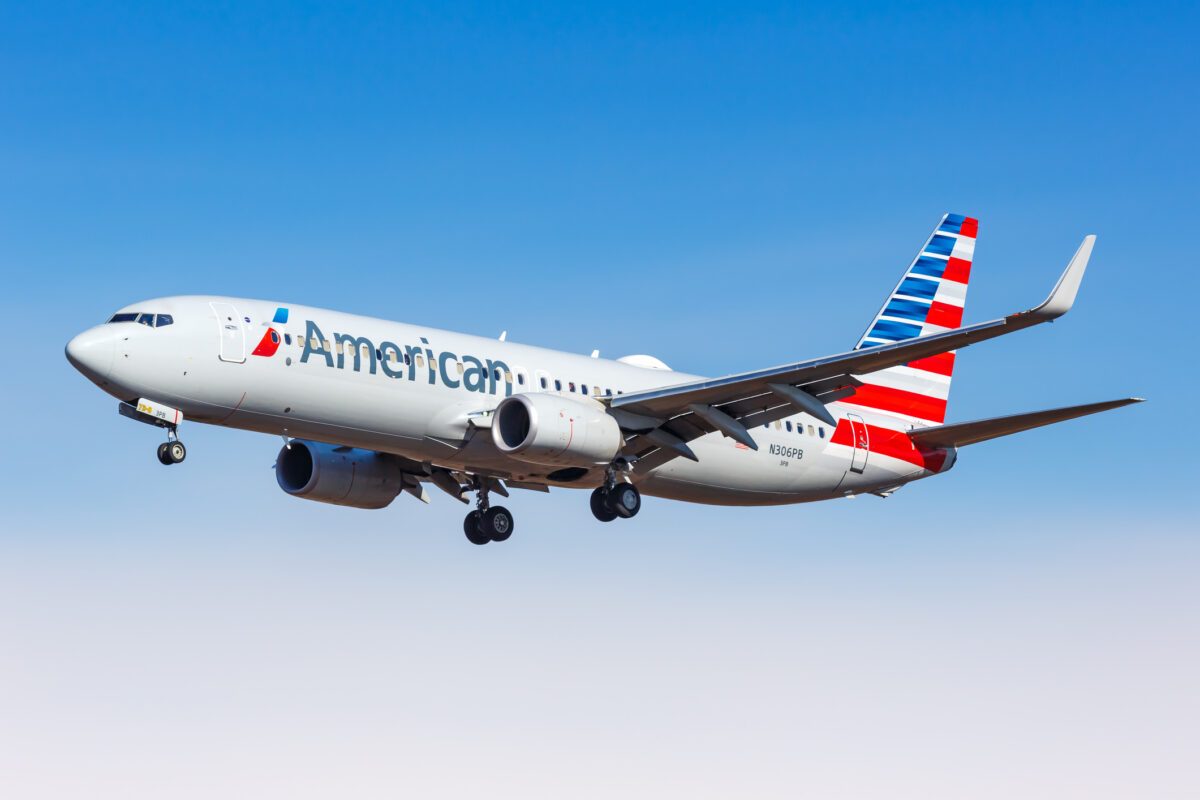
An American Airlines Boeing 737-800 was forced to abandon its landing at Ronald Reagan Washington National Airport (DCA) after an American Eagle Embraer E175 entered Runway 1 without clearance on Thursday, July 30, 2026.

American Airlines Flight AA3101 was arriving from Dallas Fort Worth International Airport (DFW) when its pilots noticed the regional jet ahead on the landing runway. The 737 crew alerted the control tower, which immediately instructed the aircraft to go around.
The American Eagle flight, AA4752, was operated by Republic Airways from Reagan National Airport (DCA) to Raleigh-Durham International Airport (RDU). Available air traffic control audio and flight playback indicate that its crew apparently mistook an instruction intended for another Republic Airways flight with a similar call sign.
Read our stories in your inbox
Two aviation newsletters. Zero fluff.
No collision occurred, and all three aircraft involved continued safely. However, the unauthorized runway entry created a clear conflict with an arriving airliner and is expected to receive close scrutiny from the Federal Aviation Administration.
Similar Flight Numbers Appear Central to the Incident
The event occurred at approximately 6:55 p.m. Eastern time as two Republic Airways-operated American Eagle flights waited near different runways at Reagan National Airport (DCA).
American Eagle Flight AA4702, using the radio call sign “Brickyard 4702,” was preparing to depart for New York LaGuardia Airport (LGA) from Runway 4.
American Eagle Flight AA4752, identified over the radio as “Brickyard 4752,” was waiting to depart for Raleigh-Durham Airport (RDU) from Runway 1.
The tower instructed Brickyard 4702 to enter Runway 4 and “line up and wait.” That clearance allows an aircraft to taxi onto a runway and position itself for departure but does not authorize the pilots to begin their takeoff roll.
Both Republic Airways aircraft subsequently began moving toward their respective runways. AA4702 entered Runway 4 as instructed, while AA4752 entered Runway 1 even though the controller had not cleared it onto the runway.
The two flight numbers differed by only one digit: 4702 and 4752. That similarity appears to have contributed to the misunderstanding, although investigators will need to determine precisely what each crew heard and transmitted.
Arriving 737 Crew Spotted the E175
American Airlines Flight AA3101 was approaching Runway 1 from Dallas Fort Worth Airport (DFW) when its crew saw the Embraer E175 on the runway.
The 737 pilots transmitted, “Tower, there’s an airplane on Runway 1.”
The tower then instructed AA3101 to go around, turn left to a heading of 280 degrees, and climb or maintain 3,000 feet. The crew initially requested confirmation because part of the instruction was blocked by another radio transmission, but it safely executed the missed approach.
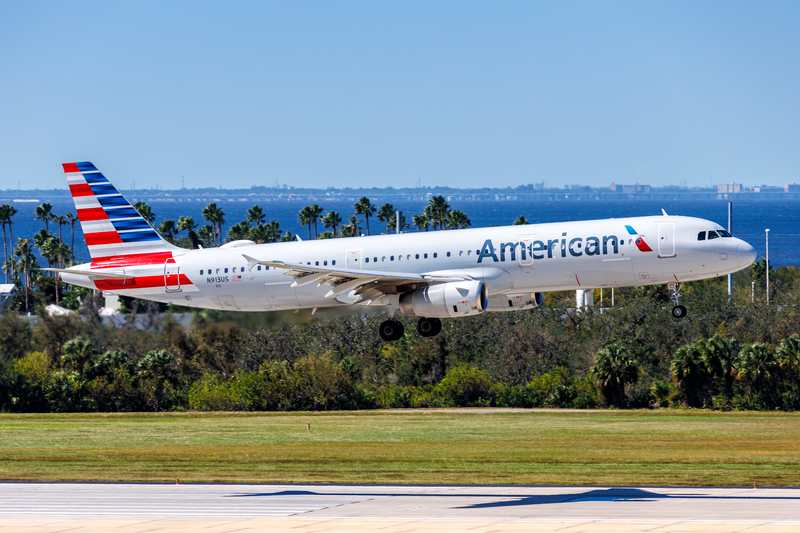
A go-around is a standard maneuver in which an aircraft discontinues an approach, applies power, climbs away from the runway, and returns for another landing attempt. It can be initiated by the pilots or directed by air traffic control whenever the runway or approach is no longer considered safe.
Flight-tracking records show that AA3101 subsequently returned to Reagan National Airport (DCA) and landed at approximately 7:07 p.m., around 12 minutes after the conflict. The Boeing 737-800 involved was registered N983NN.
Tower Told AA4752 It Had Not Been Cleared Onto Runway 1
After directing the Boeing 737 away from Runway 1, the controller told the crew of AA4752 that it had not been authorized to enter the runway.
The pilots responded that they believed they had received a line-up-and-wait clearance for Runway 1. The controller clarified that the instruction had been directed to Brickyard 4702 for Runway 4, not Brickyard 4752 for Runway 1.
The available audio includes a brief overlapping or unclear transmission. It is not yet known whether AA4752 attempted to read back the clearance and was blocked by another transmission, failed to transmit a readback, or incorrectly interpreted the instruction without recognizing that the flight number and runway did not match.
The FAA’s Aeronautical Information Manual recommends reading back runway assignments as a method of mutual verification between pilots and controllers. Repeating the runway number and the full aircraft call sign provides an opportunity to identify an incorrect or misunderstood clearance before the aircraft moves.
The investigation will likely examine the timing of each transmission, whether any readback was blocked, and whether the similar callsigns were recognized as a potential source of confusion.
“800 Feet Apart” Is Not a Confirmed Separation Figure
Some reports have characterized the event as two aircraft coming within approximately 800 feet of one another. Available evidence does not establish that as the actual horizontal or vertical separation between the jets.
One early account cited a secondhand estimate that the Boeing 737 was approximately 800 feet above the ground when the runway conflict developed. Another report placed it at approximately 725 feet. A separate review of the flight track estimated that AA3101 descended to roughly 320 feet above runway elevation while approximately four-fifths of a mile from the Runway 1 threshold.
These figures are estimates of the arriving aircraft’s altitude and position at different points in the approach. They should not be presented as a measured distance between the 737 and E175.
The precise closest point of approach will require synchronized radar, surface-surveillance, aircraft, and air traffic control data. Until the FAA completes that analysis, describing the aircraft as “800 feet apart” risks confusing altitude with actual aircraft separation.
The incident was nevertheless serious. An aircraft entered a runway being used by an arriving Boeing 737-800, requiring the landing crew and controller to take corrective action.
All Three Aircraft Continued Safely
The American Eagle aircraft that entered Runway 1 was N122HQ, an Embraer E175LR operated by Republic Airways.
Flight-tracking records show that AA4752 departed Reagan National Airport (DCA) at approximately 6:56 p.m., shortly after the runway conflict, and arrived at Raleigh-Durham Airport (RDU) at approximately 7:39 p.m.
The second Republic Airways aircraft, AA4702, was operated by E175LR N415YX. It departed Runway 4 at approximately 6:57 p.m. and arrived at LaGuardia Airport (LGA) at approximately 7:36 p.m.
AA3101’s Boeing 737-800 landed safely at Reagan National Airport (DCA) after completing its go-around. There were no reported injuries or aircraft damage.
The sequence therefore involved three aircraft:
American Airlines AA3101, a Boeing 737-800 arriving from Dallas Fort Worth Airport (DFW); American Eagle AA4752, an Embraer E175 departing for Raleigh-Durham Airport (RDU); and American Eagle AA4702, another E175 departing for LaGuardia Airport (LGA).
Boeing 737-800 and Embraer E175 Serve Different Roles
The arriving aircraft, N983NN, was a Boeing 737-800 operated by American Airlines.
American configures its 737-800s with 172 seats, including 16 domestic first-class seats, 24 Main Cabin Extra seats, and 132 standard economy seats. The twin-engine narrowbody is one of the principal aircraft used on American’s domestic network. Boeing lists the 737-800 with a maximum passenger capacity of 189 and a range of up to 2,800 nautical miles.
The two aircraft on the ground were Embraer E175LR regional jets operated by Republic Airways under the American Eagle brand.
The E175 is considerably smaller than the 737-800 and is frequently deployed between Reagan National Airport (DCA) and short- to medium-distance destinations such as Raleigh-Durham Airport (RDU) and LaGuardia Airport (LGA). Republic Airways describes itself as the world’s largest operator of the Embraer E170 and E175 family.
Despite being sold as American Airlines flights, AA4752 and AA4702 were operated by Republic pilots and aircraft. “American Eagle” is the regional brand visible to passengers, while “Brickyard” is Republic Airways’ air traffic control call sign.
Reagan National Has a Compact Runway Layout
Ronald Reagan Washington National Airport (DCA) operates with three runways in a relatively constrained area beside the Potomac River.
Runway 1/19 is the airport’s primary north-south runway and measures 7,169 feet. Runway 4/22 is considerably shorter at 5,000 feet, while Runway 15/33 measures 5,204 feet.
Runways 1 and 4 are positioned close together within the airport’s compact intersecting-runway environment. That layout allows controllers to handle multiple arrival and departure streams, but it also makes precise communication essential when aircraft are waiting near different runways.
The FAA defines a runway incursion as the incorrect presence of an aircraft, vehicle, or person within the protected area of a surface designated for takeoff and landing. Under that definition, an aircraft entering an active runway without clearance would qualify even if no collision occurred.
The FAA will determine the event’s formal classification and severity after reviewing the available data.
The Incident Comes During Intense Scrutiny at DCA
Any safety event at Reagan National Airport (DCA) now attracts heightened attention following the January 2025 collision between an American Eagle regional jet and a U.S. Army Black Hawk helicopter, which killed 67 people.
The July 30 runway event was entirely different. It involved no helicopter traffic and occurred on the airport surface rather than in the approach corridor over the Potomac River.
Still, it reinforces the importance of multiple defensive layers. In this case, the arriving 737 pilots visually identified the obstruction, informed the tower, and completed a go-around before attempting another landing.
The similarities between the Republic Airways flight numbers will likely be a central part of the FAA investigation. Closely resembling call signs can create confusion, particularly when aircraft operated by the same company are waiting on the same frequency near adjacent runways.
Bottom Line
An apparent call sign misunderstanding sent an American Eagle Embraer E175 onto Runway 1 at Ronald Reagan Washington National Airport (DCA) while an American Airlines Boeing 737-800 was approaching to land.
The tower had instructed American Eagle Flight AA4702 to line up and wait on Runway 4. American Eagle Flight AA4752, which was waiting near Runway 1, appears to have interpreted that instruction as its own and entered the arriving 737’s runway.
The crew of American Airlines Flight AA3101 spotted the E175 and alerted the tower. The Boeing 737 safely went around and landed approximately 12 minutes later. Both Republic Airways E175s subsequently departed without further incident.
Claims that the aircraft came within 800 feet should be treated cautiously. No verified closest-separation measurement has been released, and the figures reported so far appear to refer to the 737’s altitude rather than the actual distance between the jets.
The FAA investigation will need to determine exactly how the clearance was misunderstood, whether a radio transmission was blocked, and whether the similarity between flight numbers AA4702 and AA4752 contributed to the runway incursion.
Keep reading FlyMag
Get the Daily Brief in the morning or the Route Watch weekly recap on Fridays. Or both.