Beond Faces Payroll Pressure As Saudi Charter Plan Becomes Critical To Its Future
Beond is facing new questions about its future after reports said the all-business-class airline has fallen behind on staff salaries.
The Maldives-focused premium carrier has already paused most scheduled flying for the summer. Now, reporting based on an internal staff memo says employees have been asked to keep operating charter flights while the airline waits for new funding.
The situation does not mean Beond has collapsed. The airline has not publicly announced insolvency proceedings.
Read our stories in your inbox
Two aviation newsletters. Zero fluff.
However, the warning signs are serious.
Beond is a tiny airline with only two aircraft. It depends on premium leisure demand to the Maldives. It also needs fuel stops in the Middle East for many Europe–Maldives flights.
That makes the airline vulnerable when demand weakens, fuel prices rise, or funding is delayed.
Staff Reportedly Two Months Behind On Pay
The latest concern comes from reporting on an internal memo attributed to Beond CEO Tero Taskila.
One Mile at a Time reported that the memo said Beond was two months behind on salary payments.
The same report said Taskila told employees that expected funding had not arrived on schedule. He also said the airline could not give staff a firm payment date.
That is a major problem for any airline.
It is especially serious for a small carrier that still needs crews to operate charter flights.
According to the reported memo, Beond asked employees to keep working because each operated charter flight helps protect the company’s ability to repay what it owes.
That is a difficult message.
It suggests Beond is trying to preserve cash, keep aircraft moving, and avoid losing the operational momentum it needs to survive.
Scheduled Flights Are Paused Until October
The payroll issue comes after Beond already pulled back from scheduled flying.
In April, Aerospace Global News reported that Beond’s summer schedule had effectively disappeared from the market.
Beond later said its scheduled Europe–Maldives services would pause from the end of April through early October.
The airline said the break would allow it to invest in its fleet, refurbish cabins, refresh the onboard product, and improve its operating platform.
It also cited increased fuel prices and seasonal demand.
That explanation makes sense from an airline-planning perspective. The Maldives is a premium leisure market, but it is strongly seasonal. Winter demand is much stronger than summer demand.
Still, pausing scheduled flying is a serious step.
Airlines need consistent cash flow. When regular flights stop, the business becomes more dependent on charters, investor funding, refunds management, and future bookings.
A Very Small Fleet Leaves Little Margin
Beond’s fleet is extremely small.
The airline operates one Airbus A319 and one Airbus A321. Both are configured entirely with premium seating.
Business Insider reported that the A319 has 44 seats and the A321 has 68 seats. Both aircraft are narrowbodies, not widebodies.
That is central to Beond’s model.
The airline offers an all-premium experience without using large aircraft. This keeps capacity low and helps it target high-yield leisure travelers.
But it also creates risk.
A two-aircraft airline has almost no spare capacity. If one aircraft is in maintenance, delayed, damaged, or moved to a charter assignment, the scheduled network becomes very hard to protect.
Large airlines can recover from disruptions by swapping aircraft or rerouting passengers. Beond does not have that flexibility.
The Maldives Model Is Hard To Scale
Beond was built around a clear idea: make premium travel to the Maldives feel more private and less crowded.
The concept is attractive.
The Maldives is one of the world’s strongest luxury leisure destinations. Many travelers going there are willing to pay for comfort.
Beond’s pitch is that every passenger gets a premium cabin experience. There is no economy cabin and no middle seat.
However, the model is difficult.
Premium leisure demand can be strong, but it is not evenly spread across the year. Winter holidays, Christmas, New Year, and peak resort seasons are valuable. Summer is harder.
The airline also lacks the large loyalty programs, airport lounges, frequent schedules, and global feed that support carriers such as Qatar Airways, Emirates, and Etihad Airways.
Those airlines already carry premium passengers to the Maldives through Doha (DOH), Dubai (DXB), and Abu Dhabi (AUH).
Beond has to convince travelers that its boutique product is worth the risk of a much smaller operation.
The Dubai Stop Weakens The Premium Pitch
Beond markets premium direct travel to the Maldives.
However, its narrowbody aircraft cannot fly many Europe–Maldives routes nonstop.
That means flights often route through Al Maktoum International Airport (DWC) in Dubai.
A fuel stop is not the same as a full connection. Passengers may not need to change aircraft.
Still, it changes the experience.
A traveler paying for a premium Maldives trip may compare Beond with a one-stop business class itinerary on a larger airline. In that comparison, Beond has a more boutique cabin, but larger competitors offer broader networks and better recovery options.
That matters if something goes wrong.
If a Beond flight is delayed or cancelled, there are fewer alternatives. A major network airline can often reroute passengers through its hub. Beond has far fewer backup options.
Saudi Arabia Is The Big Opportunity
The more positive part of the story is Saudi Arabia.
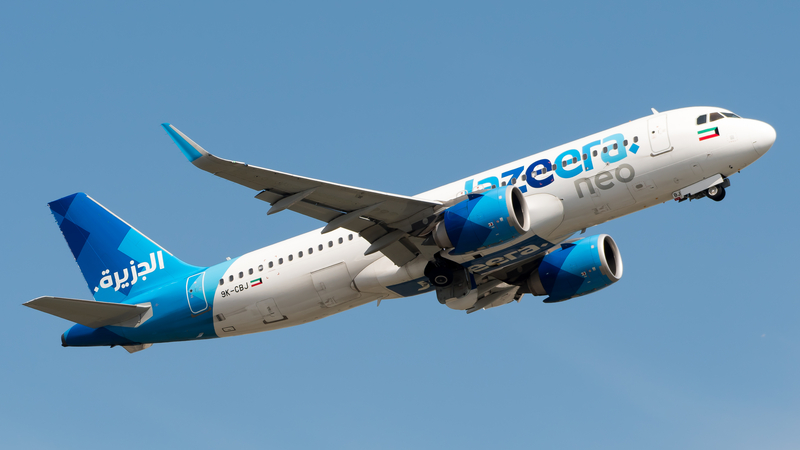
In December 2025, Saudi Arabia’s General Authority of Civil Aviation awarded National Charter Air Carrier tenders to alliances led by Jazeera Airways and Beond.
The tenders are part of Saudi Arabia’s plan to expand charter aviation.
GACA said charter services are important for tourism seasons, Hajj and Umrah, public holidays, major sporting events, conferences, group travel, and private business travel.
The scale is meaningful.
GACA said the two selected alliances are expected to serve 48 domestic and international destinations by 2030. They are also expected to add about six million annual seats, operate a combined fleet of 21 aircraft, and create about 1,000 jobs.
For Beond, this could be a much stronger platform than a Maldives-only scheduled model.
But A Tender Is Not The Same As An Airline
The Saudi opportunity is real, but it is not immediate.
GACA said the selected alliances must complete economic and technical licensing before operations can begin.
That is a major detail.
Launching a Saudi-based airline or charter operation requires more than winning a tender. It requires regulatory approvals, ownership structure, manuals, nominated postholders, crew planning, maintenance arrangements, aircraft placement, safety oversight, and commercial setup.
Beond has also said it has begun the process to launch an airline in Saudi Arabia and receive an Air Operator Certificate.
That is encouraging.
But an AOC process takes time. It also requires money, management focus, and regulatory approval.
If Beond’s staff pay depends on funding linked to that process, then the Saudi project is not just a growth plan. It becomes a lifeline.
The Airline Needs Charters To Keep Moving
With scheduled flying paused, charter flights appear to be especially important.
Charters can generate cash. They also keep aircraft and crews active.
For a small airline, that matters. Aircraft sitting idle still create costs. Crew currency, maintenance, leasing, insurance, parking, and overhead do not disappear.
However, relying on charters is not easy.
Charter demand can be uneven. It may also require different sales channels, different customer relationships, and different operational planning than scheduled service.
Beond’s all-premium cabin can be attractive for private groups, luxury travel organizers, special events, and high-end tour operators.
But the airline still needs enough flying to cover its costs and restore payroll confidence.
Passenger Confidence Could Be A Problem
Payroll arrears can damage trust.
Employees are the first concern. If staff are not paid on time, morale suffers quickly. Crew availability may also become harder to manage.
Passengers may also start to worry.
Premium travelers want reliability. They may be less willing to book an expensive itinerary with a tiny airline if they fear cancellations, refunds, or operational uncertainty.
Travel agents and tour operators will ask the same questions.
Can the airline operate the flight? Will the aircraft be available? Will the crew be paid and in place? What happens if something goes wrong?
For Beond, restoring confidence may be just as important as restoring the schedule.
Beond Still Has A Distinct Product
Despite the pressure, Beond’s product remains unusual.
The airline offers an all-premium cabin with lie-flat business-class-style seating, upscale dining, and a quiet narrowbody environment.
Its own website describes Beond as the world’s first premium leisure airline.
That gives it a clear brand.
The problem is not the concept. The problem is execution and scale.
An all-premium airline needs high yields, strong loads, reliable aircraft, and deep enough cash reserves to survive weak periods.
History has not been kind to small premium-only airlines. The niche can work in limited cases, but it is hard to scale and even harder to protect when fuel prices rise or demand softens.
A Wider Reset May Be Needed
Beond’s next step may require a full reset.
The airline could return to winter scheduled flying and rebuild around peak Maldives demand. It could lean more heavily into charters. It could use Saudi Arabia as a new platform. Or it could combine all three.
But the payroll issue raises urgency.
A business can survive a seasonal pause. It can survive a fleet refurbishment window. It can even survive investor delays.
It is much harder to survive a loss of employee trust.
Airline operations depend on people. Pilots, cabin crew, engineers, dispatchers, ground teams, sales teams, and customer support all need confidence that the company can meet basic obligations.
If that confidence weakens, the business becomes harder to restart.
The Next Few Weeks Matter
The biggest question is timing.
If new funding arrives soon, Beond may be able to pay staff, keep charters moving, and prepare for the winter restart.
If funding slips again, the problem becomes more serious.
The Saudi tender may still be a strong long-term opportunity. But it may not solve a short-term payroll crisis quickly enough.
That is the tension at the heart of the story.
Beond has a unique product and a potentially valuable new growth path. Yet its current cash situation appears strained.
For a small airline, both things can be true at the same time.
Bottom Line
Beond is facing one of the most difficult moments in its short life.
The all-business-class airline has reportedly fallen two months behind on staff salaries. It has also paused most scheduled flying until October while it focuses on fleet work, cabin refurbishment, and charter opportunities.
The airline’s model was always ambitious. Two narrowbody aircraft, an all-premium cabin, Maldives-focused demand, and fuel stops in Dubai leave little room for error.
Saudi Arabia may offer Beond a new path. GACA has awarded a National Charter Air Carrier tender to a Beond-led alliance, and Beond says it has started the process to launch a Saudi-based airline.
But that project still needs licensing and regulatory approvals.
For now, Beond’s challenge is more immediate: pay staff, keep aircraft operating, protect customer confidence, and survive long enough for the Saudi opportunity and winter schedule to matter.
The airline has not announced a collapse. But the reported payroll arrears show that the pressure is no longer theoretical.
Keep reading FlyMag
Get the Daily Brief in the morning or the Route Watch weekly recap on Fridays. Or both.