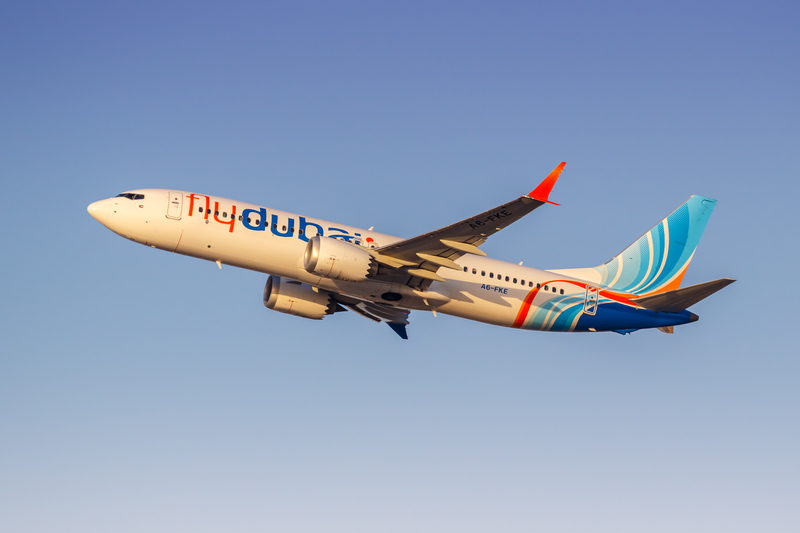
flydubai Touches Down In Riga With New Nonstop From Dubai
flydubai has officially launched nonstop service between Dubai International Airport (DXB) and Riga International Airport (RIX), becoming the first UAE carrier to connect the two cities with scheduled flights.

The inaugural arrival on December 12, 2025 marks more than a new pin on flydubai’s route map. It’s also a meaningful connectivity upgrade for the Baltics, pairing Riga’s largest-airport catchment with Dubai’s role as a global hub for onward travel across the Middle East, Asia, and Africa.
DXB–RIX: Three Weekly Flights, Built Around Hub Connectivity
The new link operates three times per week from DXB (Terminal 3) to RIX, with schedules designed to work both as a point-to-point option and as a feeder into broader connections via Dubai.
Read our stories in your inbox
Two aviation newsletters. Zero fluff.
Published schedule (all times local):
-
FZ1441: DXB 16:55 → RIX 22:20
-
FZ1442: RIX 23:20 → DXB 08:15 (next day)
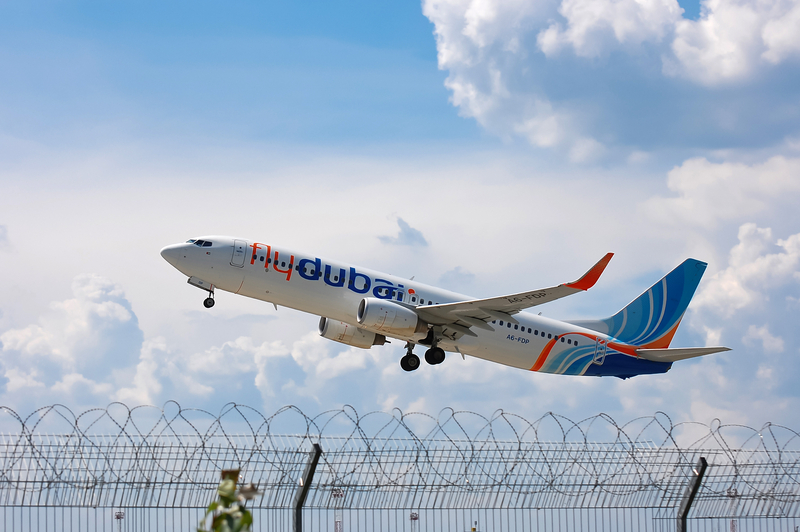
In winter, Riga typically sits two hours behind Dubai, which helps explain why the return leg departs late evening from RIX and arrives into DXB the following morning—timed neatly for onward departures after the overnight arrival bank.
The Aircraft: Boeing 737 MAX 8 On A Long, Narrowbody Mission
flydubai is operating the route with the Boeing 737 MAX 8 (B38M), a logical choice for a long, mid-capacity sector where a widebody would be difficult to justify year-round.
For airlines, the MAX 8’s appeal is straightforward: it’s designed to deliver mainline range and payload with improved economics compared to earlier-generation 737 variants, giving carriers flexibility to open “long and thin” routes—exactly the profile DXB–RIX often represents.
flydubai’s broader fleet strategy supports that approach. The carrier operates a single-family fleet of Boeing 737s, with the MAX 8 forming the backbone of its expansion into markets that previously lacked nonstop service to Dubai.
Onboard: A Two-Cabin Product Aimed At Premium-Leisure And Connecting Traffic
flydubai is selling Business Class and Economy Class on the route, leaning on the product upgrades it has been rolling across its 737 operation:
-
Business Class: a higher-end cabin experience that, on flydubai’s latest aircraft, can include lie-flat seating on select jets, along with upgraded dining and service touches.
-
Economy Class: complimentary inflight entertainment options and meals (service varies by fare type and route), aimed at keeping the experience competitive on longer regional missions.
This matters on DXB–RIX, where passengers aren’t only flying Dubai–Latvia. Many will be connecting beyond DXB onto longer itineraries, and cabin consistency helps flydubai and Emirates (through codeshare) sell those journeys as a single, integrated trip.
Why Riga Matters: A Baltic Gateway With Room For New Long-Haul Links
Riga (RIX) has built its reputation as the Baltics’ most connected airport, supported by strong regional flows and a growing network that pulls in traffic from Latvia, southern Estonia, and parts of Lithuania. Adding a nonstop to DXB gives that catchment a one-stop path to destinations that are otherwise awkward to reach via traditional European hubs—especially when schedules don’t line up well for same-day connections.
It also gives Dubai-based travelers a direct entry point into Latvia, with onward ground links into the wider Baltic region—and, for many visitors, an easy springboard into Northern Europe.
A Wider European Push From flydubai
Riga isn’t a one-off. The airline has been expanding further into Europe with new or recently launched routes including Chișinău (RMO), Iași (IAS), and Vilnius (VNO)—a set of additions that collectively strengthens flydubai’s positioning in underserved markets where frequency and right-sized aircraft matter more than headline-grabbing capacity.
Bottom Line
flydubai’s new Dubai (DXB)–Riga (RIX) service is a strategically tidy addition: three weekly flights, hub-friendly timing, and the Boeing 737 MAX 8—an aircraft well suited to long, mid-demand routes that benefit from strong unit economics.
For Riga, it’s a new nonstop bridge to the Gulf and beyond. For flydubai (and its Emirates partnership), it’s another example of how narrowbody range and hub connectivity can open markets that previously relied on less convenient two-stop itineraries.
Keep reading FlyMag
Get the Daily Brief in the morning or the Route Watch weekly recap on Fridays. Or both.