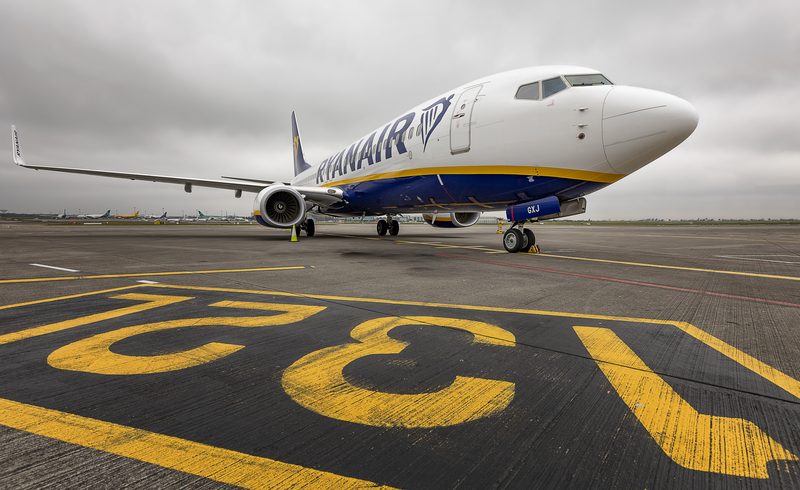
Ryanair (FR) has announced its largest-ever Croatia schedule for summer 2026, backed by what the airline describes as a $900 million investment that will place nine aircraft at its Croatian bases and support 118 routes. Ryanair says the plan will deliver 4.3 million seats (about 5% growth year over year) and more than 850 weekly flights at peak, reinforcing Croatia as a major leisure market in the carrier’s network.
The growth centers on Ryanair’s three Croatian bases at Dubrovnik (DBV), Zadar (ZAD), and Zagreb (ZAG)—a mix that gives the airline strong coastal coverage for summer demand while keeping year-round relevance through Croatia’s capital.
What’s new: Dubrovnik adds Budapest and Gdańsk
The headline route additions are two new nonstop markets from Dubrovnik (DBV):
Read our stories in your inbox
Two aviation newsletters. Zero fluff.
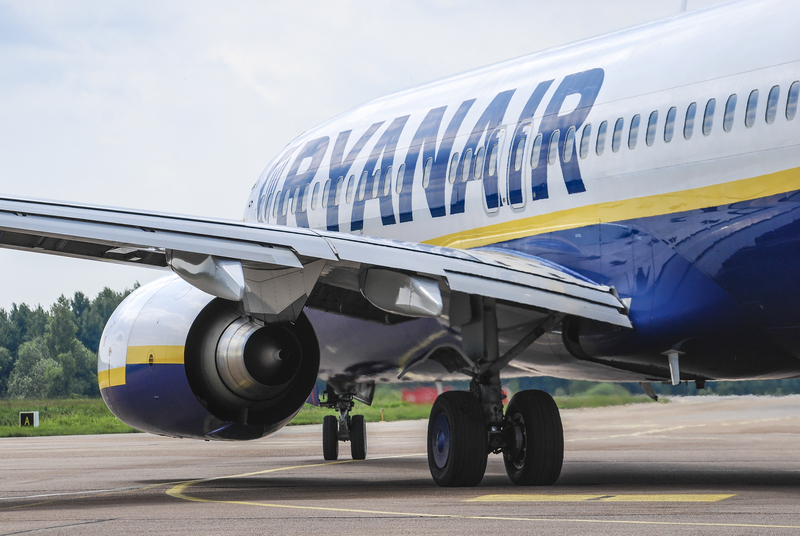
Both fit Ryanair’s Croatia playbook: connect a high-demand coastal destination with large outbound markets in Central and Eastern Europe, where leisure travel is highly price-sensitive and seasonal flows are strong.
The aircraft: 9 based jets, likely heavy on the 737 MAX 8-200
Ryanair didn’t break out the aircraft allocation by base, but its fleet strategy increasingly revolves around the Boeing 737 MAX 8-200 (“Gamechanger”), alongside remaining 737-800s.
For Croatia’s summer-heavy demand curve, the MAX 8-200 is a natural fit:
-
High-density seating supports peak-season volume without adding as many departures
-
Lower unit costs help Ryanair stay aggressive on fares
-
Better fuel efficiency supports margins even when operating costs rise
In markets like DBV and ZAD, where demand spikes sharply between late spring and early fall, right-sizing both capacity and frequency is crucial. A larger-gauge narrowbody gives Ryanair flexibility to add seats efficiently while maintaining schedule depth.
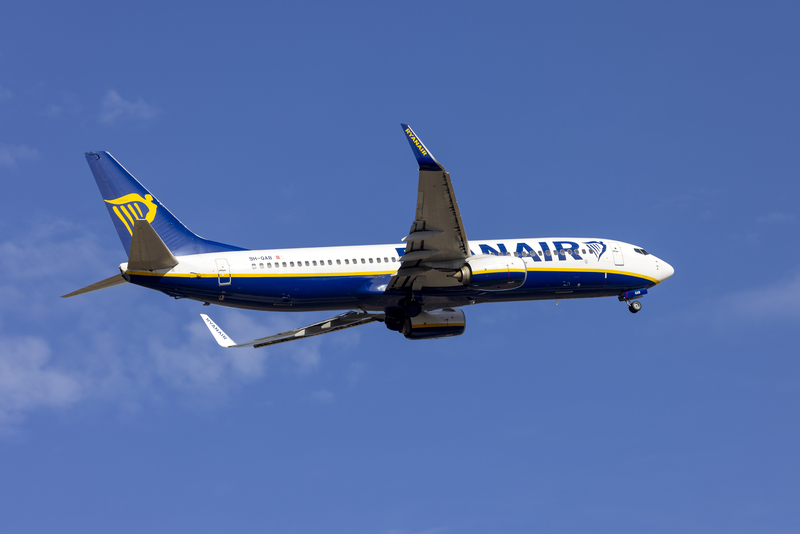
850+ weekly flights: what that means for Croatia’s airports
More than 850 weekly flights across DBV, ZAD, and ZAG is a big operational footprint, especially in a Mediterranean environment where summer brings:
-
Airspace congestion and ATC flow restrictions
-
Short turnaround pressure at busy leisure airports
-
Higher disruption sensitivity when aircraft utilization is maxed out
For Ryanair, basing aircraft locally improves resilience because it reduces reliance on long repositioning legs and gives the airline more options to swap aircraft and crews when things go sideways.
The economic message: tourism lift plus jobs
Ryanair says the 2026 schedule will support about 3,500 jobs in Croatia (direct and indirect). As with most airline job claims, that figure typically includes airport, tourism, ground handling, and broader service-sector roles tied to passenger volume—but the underlying point is fair: sustained airlift growth is a meaningful tourism lever for Croatia, especially outside the traditional peak weeks.
The policy angle: Ryanair wants Croatia to drop a CAA tax
Alongside the schedule announcement, Ryanair again called on the Croatian government to remove what it describes as an outdated CAA tax, arguing it raises costs for passengers and limits growth. This fits Ryanair’s standard playbook across Europe: tie capacity commitments to fee structures and use public schedule growth announcements to apply pressure in pricing and policy discussions.
Bottom Line
Ryanair’s summer 2026 Croatia schedule is its biggest ever: 9 based aircraft, 118 routes, 4.3 million seats, and 850+ weekly flights across bases at Dubrovnik (DBV), Zadar (ZAD), and Zagreb (ZAG). New nonstop routes from DBV to Budapest (BUD) and Gdańsk (GDN) highlight the carrier’s focus on Central and Eastern European demand, while the scale-up signals continued confidence in Croatia as a high-volume, high-value leisure market.
Keep reading FlyMag
Get the Daily Brief in the morning or the Route Watch weekly recap on Fridays. Or both.
Share this story
Composed for each network — click to share, or copy the composed text for your own timing.