India’s airline industry has warned the government that a further rise in aviation turbine fuel prices could trigger aircraft groundings and flight cancellations, a sign of just how exposed the country’s carriers remain to fuel volatility despite strong travel demand.

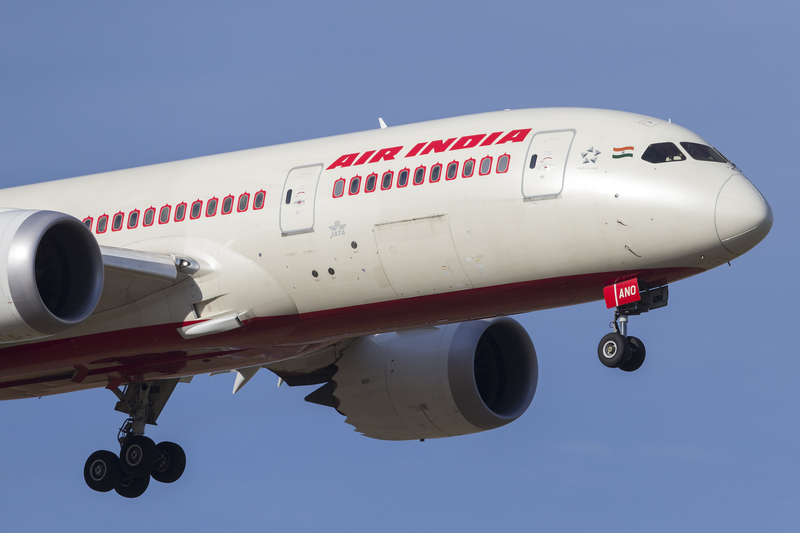
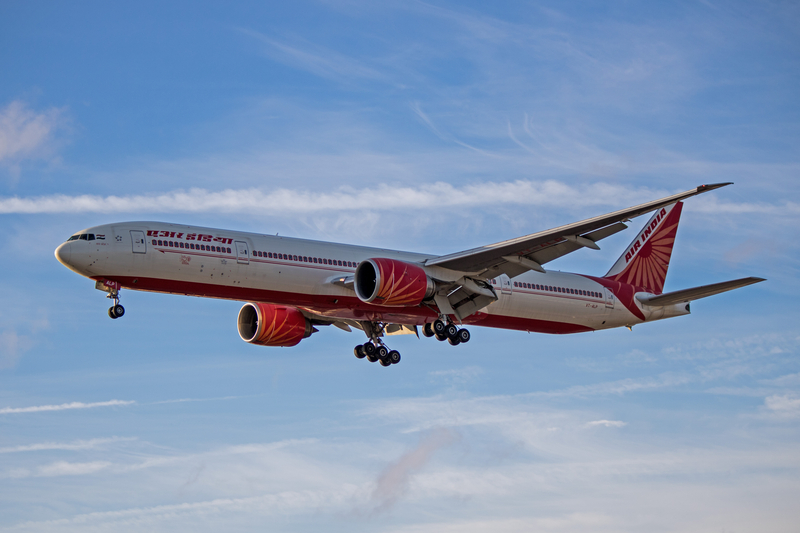
The warning came in an April 26 letter from the Federation of Indian Airlines, which represents key carriers including Air India, IndiGo, and SpiceJet. The industry body said airlines are under “extreme stress” and argued that any irrational increase in ATF prices would push operators toward unsustainable losses.
For aviation readers, the significance is straightforward. This is not routine lobbying over margins. It is the clearest sign yet that India’s airlines believe fuel costs are nearing the point where network stability itself could be affected.
Read our stories in your inbox
Two aviation newsletters. Zero fluff.
Fuel Has Become The Industry’s Main Pressure Point Again
Indian airlines have always been unusually sensitive to fuel pricing, but the current environment is especially difficult.
ATF can account for up to 40% of airline operating costs in India, a much higher burden than many industries face with their key input costs. When that expense moves sharply, carriers have very little room to absorb the shock, especially in a market where fares are competitive and price sensitivity remains high.

That is why the industry’s message is so stark. Airlines are not simply complaining that profitability is being squeezed. They are warning that the cost structure could become unworkable if prices rise further.
The Federation’s Letter Was A Warning Shot To The Government
The April 26 letter to the Civil Aviation Ministry was more than a standard request for relief.
The Federation of Indian Airlines urged New Delhi to restore pandemic-era curbs on ATF prices and to cut, defer, or otherwise ease tax pressure on fuel. It also explicitly warned that additional price increases could lead to aircraft being grounded and flights being cancelled.
That wording matters. Airlines generally try to avoid invoking the possibility of grounded aircraft unless they want policymakers to understand that the issue has moved beyond profitability and into operational risk.
In other words, the federation was trying to make clear that this is no longer a theoretical concern.

The Government Has Already Had To Intervene Once
The broader context makes the airline warning even more credible.
Earlier in April, India briefly allowed a sharp increase in domestic jet fuel prices before reversing the move within hours. That alone shows how politically and operationally sensitive ATF pricing has become. The government has also introduced temporary measures, including a cap that limits monthly ATF price increases and a short-term reduction in airport landing and parking charges.
Those steps suggest New Delhi already understands that airlines are operating with limited cost tolerance. The real question now is whether that relief will be enough if global fuel pressure intensifies again after state elections.
Airlines Are Also Being Hit By The Rupee
Fuel is the main issue, but not the only one.
Indian carriers are simultaneously dealing with a weaker rupee, which raises the cost of many expenses that are priced or settled in U.S. dollars. That includes aircraft leases, maintenance exposure, some airport charges abroad, and other parts of the airline cost base.
That matters because it compounds the fuel problem. Even if passenger demand remains solid, airlines are being squeezed from multiple sides at once. A weaker currency makes imported fuel and dollar-linked obligations more expensive at exactly the same time.
For airlines, this turns a bad cost cycle into a worse one.
IndiGo, Air India, And SpiceJet Are Not Feeling The Pain Equally
The industry warning covers multiple carriers, but the effect is unlikely to be uniform.
IndiGo has scale and generally stronger balance-sheet resilience than many of its rivals. Air India, backed by the Tata Group, has more strategic depth but is also in the middle of a large transformation and fleet-renewal effort. SpiceJet has far less room for error given its prolonged financial strain. That means the same ATF shock can have very different consequences depending on which airline is absorbing it.
Still, the fact that these carriers are represented together in the federation’s appeal is what makes the warning important. It suggests the issue is not confined to one weak airline. It is broad enough to worry the industry as a whole.

The Threat Is More About Selective Cuts Than A National Shutdown
It is important not to overstate what the airlines are saying.
The warning does not mean India is on the verge of an immediate nationwide aviation freeze. What it does mean is that some flights, especially thinner or lower-yield routes, may become harder to justify if ATF becomes more expensive again. Airlines under severe pressure do not usually cut flagship trunk routes first. They start trimming at the edges, where yields are weaker and cost recovery is harder.
That is how the danger would most likely show up in practice: selective grounding, reduced frequencies, and weaker regional connectivity before anything broader.
The Industry Wants Cost Stability More Than Anything
At its core, the airlines’ message is not just “fuel is expensive.” It is “fuel has become too unpredictable.”
Carriers can plan around high costs more effectively than they can plan around volatile costs. What seems to be unnerving the Indian industry now is not only the absolute price of ATF, but the sense that regulatory and market shifts could push that price upward again very quickly.
That kind of uncertainty is difficult for airlines to manage because schedules, fares, and fleet deployment are all built around forward assumptions. When fuel policy becomes unstable, everything else becomes harder to price and plan.
Bottom Line
India’s airlines are warning that further ATF price increases could trigger aircraft groundings and flight cancellations, a sign of how sharply fuel has once again become the central pressure point in the country’s aviation sector.
The government has already moved once to soften the blow, and the federation’s latest letter suggests the industry wants stronger safeguards before another price jump hits. The message from the airlines is clear: if fuel climbs much further, the impact will not just show up in earnings. It could start showing up in the schedule.
Keep reading FlyMag
Get the Daily Brief in the morning or the Route Watch weekly recap on Fridays. Or both.