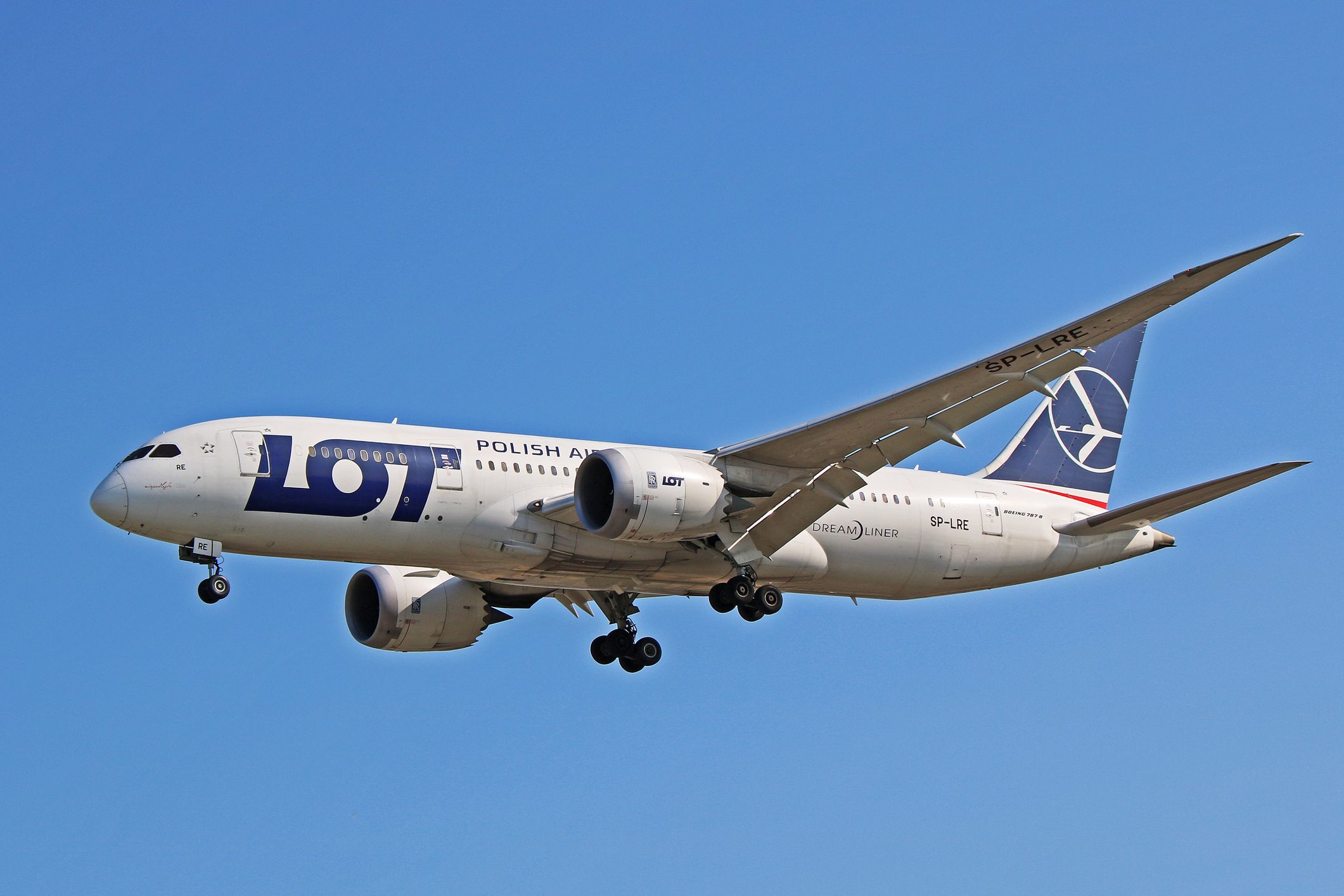
After a brutal weekend of snow, ice, and wind across the eastern two-thirds of the U.S., the Department of Transportation (DOT) says the national air travel system should largely normalize by midweek (Wednesday, January 28, 2026). That forecast comes after Winter Storm Fern triggered one of the most disruptive U.S. air travel weekends since the early pandemic era, with knock-on effects that rippled well beyond the hardest-hit states.
Fern’s footprint wasn’t a single-airport problem. It was a network problem: multi-day weather over major hubs, freezing precipitation that choked de-icing throughput, and widespread ground delays that compounded crew and aircraft mispositioning across the country.
The numbers behind the disruption
By the end of the weekend, U.S. airlines were dealing with cancellation and delay volumes that overwhelm even mature recovery playbooks. Public flight-tracking tallies showed more than 11,000 cancellations on Sunday alone, followed by another heavy day on Monday, with tens of thousands of delays stacked on top. Across Saturday through early Monday, cumulative cancellations approached the 20,000 mark.
Read our stories in your inbox
Two aviation newsletters. Zero fluff.
For airline operations teams, the key detail isn’t just “how many got canceled,” but when and where. A high percentage of those cancellations clustered at large connecting hubs—exactly where a single day of constrained departure rates can take multiple days to unwind.

Where the network broke first: hubs, banks, and runway physics
When a winter system sits over multiple hubs, the U.S. schedule structure becomes the vulnerability. Banks of departures depend on predictable push windows and stable runway acceptance rates. Fern attacked both.
Several airports saw outsized impacts because their local weather aligned with peak connecting banks and tight aircraft turns:
-
Dallas/Fort Worth (DFW) and Charlotte (CLT) stood out as major pressure points, with high cancellation counts and difficult recovery dynamics tied to hub complexity.
-
The New York metro airports—LaGuardia (LGA), Newark (EWR), and JFK (JFK)—added their usual airspace and flow constraints to the mix, which matters because New York disruptions propagate quickly across the Northeast corridor.
-
In the Mid-Atlantic, airports like Washington National (DCA), Baltimore/Washington (BWI), and Raleigh-Durham (RDU) saw widespread cancellations during the worst conditions, reducing options for re-routes and reaccommodation.
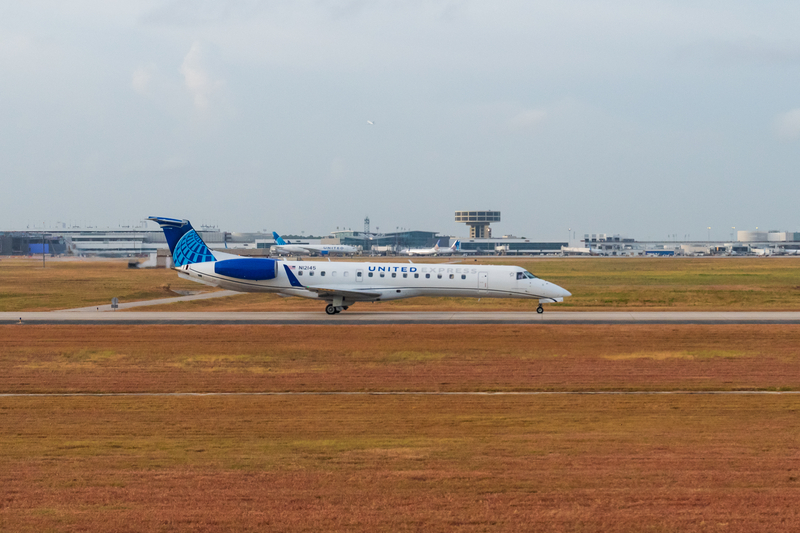
A winter day isn’t just “snow on the runway.” It’s braking action, crosswind limitations, visibility (RVR), and taxiway congestion—plus the reality that you can’t depart unless the aircraft is clean and the queue can move fast enough to keep anti-ice protection valid.
Why DOT’s “midweek” target is plausible—yet not automatic
A Wednesday normalization target is realistic if two things happen quickly:
First, weather clears across the hubs, not just at a few outstations. A hub returning from a ground stop still needs hours to reset: gates have to reopen, inbound aircraft must arrive, crews must be legal, and baggage/cargo flows must catch up.
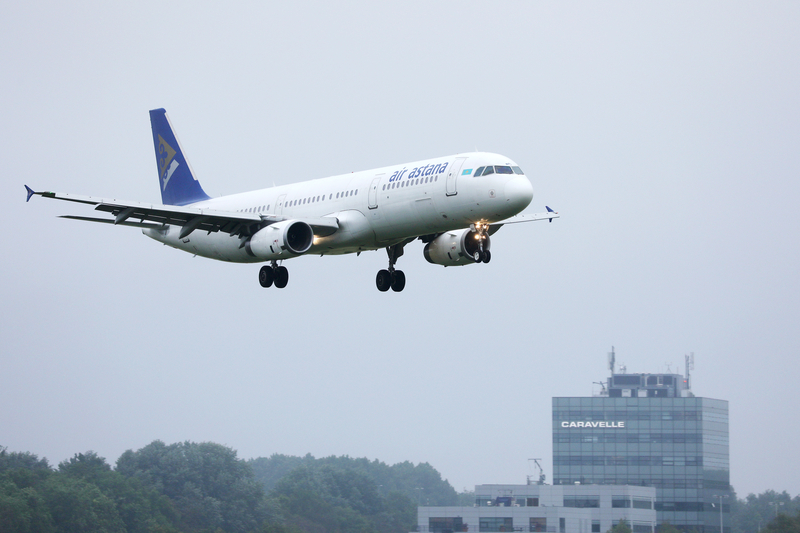
Second, aircraft and crews must be repositioned, and that takes time even after the skies improve. During Fern, many crews timed out away from base, aircraft got stranded at spoke airports with no available crews, and connections broke in ways that force airlines to rebuild rotations manually. If you cancel 25% of a day at a hub, you’re not just losing lift—you’re losing the carefully sequenced “next legs” that make the fleet and crew plan work.
Expect the system to look “mostly normal” before it becomes “fully normal.” Even when schedules repopulate, travelers often see residual effects: fuller flights, fewer standby options, and limited reaccommodation inventory.
The hidden constraint: de-icing capacity and holdover reality
Professionals know de-icing is rarely the headline—but it’s often the limiting factor.
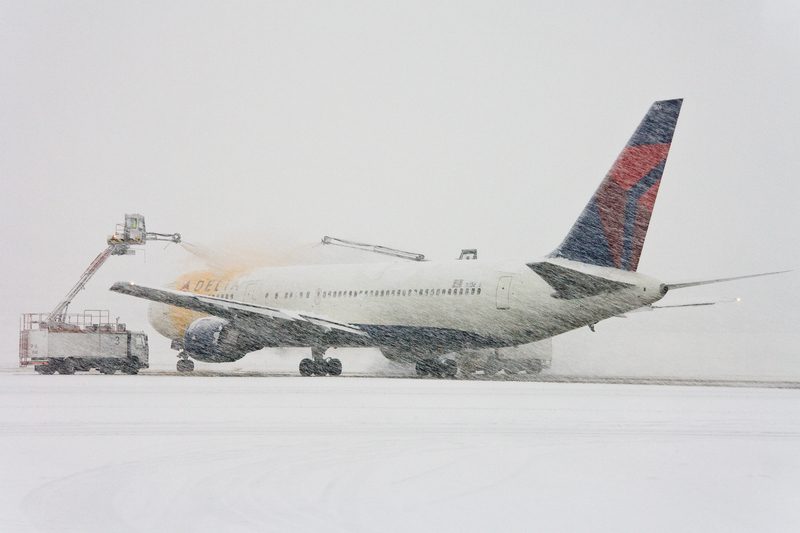
In heavy snow or freezing precipitation, the departure rate isn’t governed by runway throughput alone. It’s governed by how quickly you can process aircraft through de-ice pads, and whether the resulting holdover time can survive the departure queue. Holdover isn’t a fixed number; it depends on precipitation intensity, temperature, and fluid selection. In fast-changing conditions, the operation can degrade from “manageable” to “impossible” in minutes—especially when long taxi times or ATC metering keep aircraft waiting.
When the line outpaces holdover, you get the worst possible outcome: repeated de-ice cycles, extended taxi delays, and ultimately cancellations that are operationally rational even if they’re commercially painful.
A sobering safety marker: business jet crash at Bangor (BGR)
While commercial operations avoided major reported airliner accidents during the storm, Fern’s conditions coincided with a serious non-airline tragedy: a private Bombardier Challenger-family business jet crash during takeoff at Bangor International Airport (BGR) on Sunday night, January 25.
Early reports varied on occupant counts, but official local communications and subsequent reporting indicated six people were on the manifest and were presumed dead, with the FAA and NTSB investigating. For operators, the takeaway is less about the specific airframe and more about the winter truth that never changes: wing contamination, reduced runway friction, and poor visibility compress safety margins for every category of aircraft—especially during takeoff, where performance is least forgiving.
What travelers and operators should watch over the next 48–72 hours
If DOT’s midweek target holds, the next phase is all about recovery discipline:
Airlines will prioritize restoring hub banks at DFW, CLT, ATL, ORD, EWR, and other network-critical nodes, because those unlock the fastest downstream normalization.
Passengers should expect:
-
Higher load factors as airlines consolidate schedules
-
Fewer same-day rebooking options in peak markets
-
Potential equipment swaps as carriers rebalance fleet availability
Airports will be focused on:
-
Clearing taxiway/runway systems and maintaining braking action
-
De-ice pad throughput and fluid supply logistics
-
Ramp safety and turnaround pace in low-temperature operations
Bottom Line
DOT’s expectation that U.S. flight operations will largely normalize by Wednesday, January 28, 2026 reflects a system moving from weather-driven shutdown to logistics-driven recovery. Winter Storm Fern didn’t just cancel flights—it disrupted the “machine” of aircraft rotations, crew legality, gate availability, and de-icing throughput that keeps a national network synchronized. If hub weather stays clear and airlines can reposition crews and aircraft quickly, the midweek reset is achievable. But the last miles of recovery—getting the network back to smooth connections and reliable on-time performance—will be where the real work happens.
Keep reading FlyMag
Get the Daily Brief in the morning or the Route Watch weekly recap on Fridays. Or both.