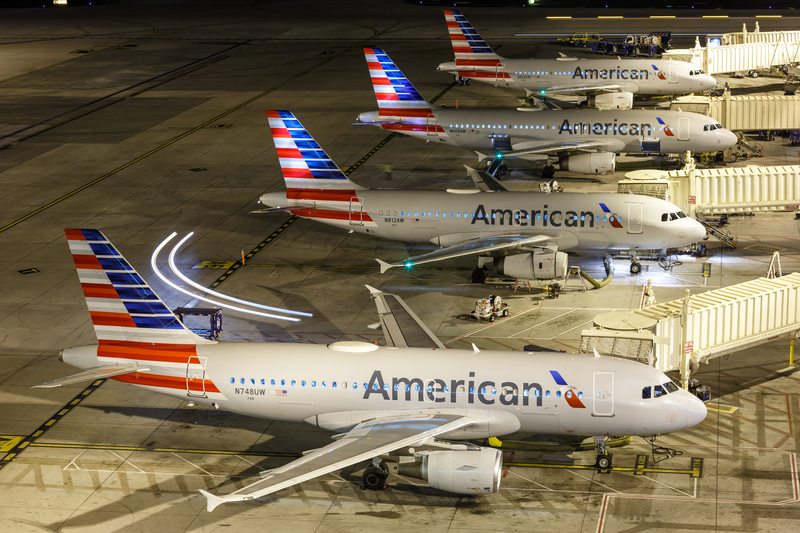
American Airlines has resumed nonstop service between Budapest Ferenc Liszt International Airport (BUD) and Philadelphia International Airport (PHL), restoring a direct transatlantic link that had been absent for seven years and giving Hungary a meaningful boost in U.S. connectivity.

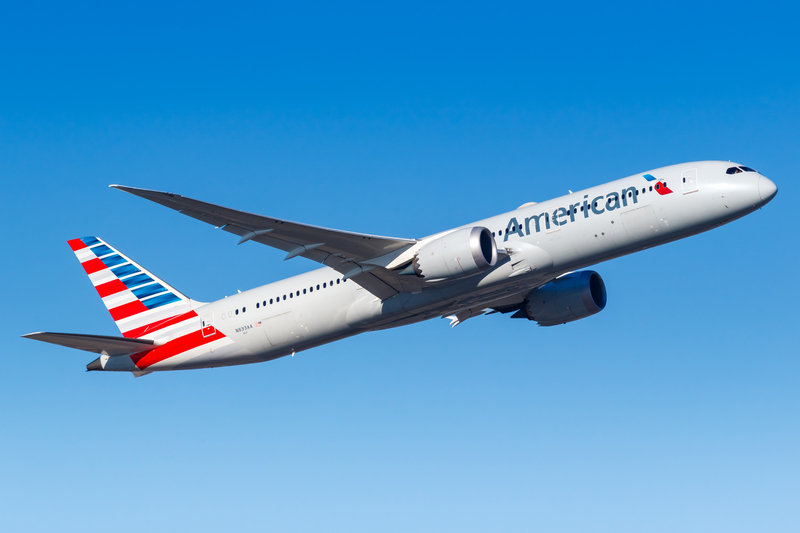
The route returned on May 22, 2026 as a daily seasonal service and will run through October 5, 2026. It is operated by the Boeing 787-8 Dreamliner, configured with Business, Premium Economy, and Economy cabins.
For aviation readers, this is more than just a route restart. It is a sign that Budapest’s transatlantic recovery is still gaining momentum and that American continues to see Philadelphia as a serious Europe gateway rather than just another East Coast hub.
Read our stories in your inbox
Two aviation newsletters. Zero fluff.
Budapest Gets A Daily U.S. Link Again
The most important thing about this route is that it restores a direct U.S. connection that had been missing since the service last operated before the pandemic-era disruption.
That matters because daily transatlantic service carries a very different weight than an occasional seasonal charter or a few weekly flights. A daily route changes how a city is perceived by airlines, tourism agencies, business travelers, and conference organizers. It makes the market feel more stable, more bookable, and more useful.
For Budapest, that is a meaningful step in rebuilding long-haul relevance.
Philadelphia Is Doing The Heavy Lifting
The route also says something important about Philadelphia (PHL).
American has been using Philadelphia more aggressively as a transatlantic hub, and Budapest fits that strategy well. It is a market with enough local demand to justify a nonstop, but also one that becomes much more valuable when placed behind a major U.S. connecting gateway. Through Philadelphia, Budapest-bound passengers can access more than 100 onward destinations across North America and the Caribbean.
That is one reason the route works. It is not relying only on point-to-point Budapest traffic. It is being supported by the hub structure behind it.
The 787-8 Is The Right Aircraft For The Route
American is using the Boeing 787-8, which makes sense for a market like this.
The 787-8 gives the airline the right balance of long-haul range, manageable seat count, and premium product for a route that is important but not one of the giant Atlantic trunk markets. Budapest does not need a larger aircraft every day to be viable. What it needs is a widebody that can support a strong mix of leisure, business, and connecting demand while keeping the economics disciplined.
That is exactly the kind of role the 787-8 is built to fill.
This Is About More Than Tourism
Budapest Airport and local officials have understandably highlighted tourism value, and that is real.
The route should benefit inbound U.S. visitors, including travelers heading to the city for leisure, river cruising, and event-based travel. But the route’s significance is not only leisure-driven. Daily nonstop service also supports business travel, conference traffic, and broader economic ties between Hungary and the United States.
That mix matters because long-haul routes are strongest when they are not dependent on only one kind of traveler.
Hungary–U.S. Demand Remains Strong
The broader demand picture supports the route.
More than 630,000 passengers reportedly traveled between Hungary and the United States in 2025, which underlines that this is not a speculative niche link. There is a real transatlantic market here. The question has never really been whether people want to travel between Hungary and the U.S. The question has been which airline can serve that market in a way that is commercially sustainable.
American clearly believes Philadelphia gives it the best answer.
Nearly 60,000 Summer Seats Is A Meaningful Commitment
The airline is offering nearly 60,000 seats on the route over the course of the summer season.
That is not an experiment in symbolic capacity. It is a meaningful seasonal commitment. For Budapest, the route helps rebuild pre-pandemic long-haul scale. For American, it strengthens a Central European position that complements its broader transatlantic network rather than duplicating the most saturated Western European markets.
That is one reason the route matters more than some people may assume.
Bottom Line
American’s return to Budapest with daily Philadelphia service is an important transatlantic restoration. It gives Hungary back a direct U.S. link after a seven-year gap, brings a properly scaled long-haul widebody back into the market, and strengthens Philadelphia’s role as one of American’s most important Europe gateways.
This is not just a route reopening. It is a sign that Budapest’s long-haul recovery still has momentum — and that American believes the city is worth a daily commitment again.
Keep reading FlyMag
Get the Daily Brief in the morning or the Route Watch weekly recap on Fridays. Or both.