American Airlines is ending service between Phoenix Sky Harbor International Airport (PHX) and General Abelardo L. Rodríguez International Airport (TIJ), cutting one of the more unusual transborder routes in its network and leaving Tijuana without a U.S. airline once again.

The route will end on August 3, 2026, just over two years after it launched in February 2024. American says the flight simply did not meet performance expectations, a clear reminder that even markets with strong geography and obvious cross-border relevance still have to work economically.
For aviation readers, the most interesting part is not just that the route is ending. It is that a city as strategically located as Tijuana still could not hold onto a U.S. airline link.
Read our stories in your inbox
Two aviation newsletters. Zero fluff.
The Route Always Had More Strategic Logic Than Obvious Volume
On paper, PHX–TIJ looked like the kind of cross-border route that should have made sense.
Tijuana sits right on the U.S.–Mexico border, serves the wider San Diego region through the Cross Border Xpress, and has one of the most extensive domestic networks in Mexico. Phoenix, meanwhile, is one of American’s largest western hubs and a logical place from which to funnel traffic into northwestern Mexico and beyond.
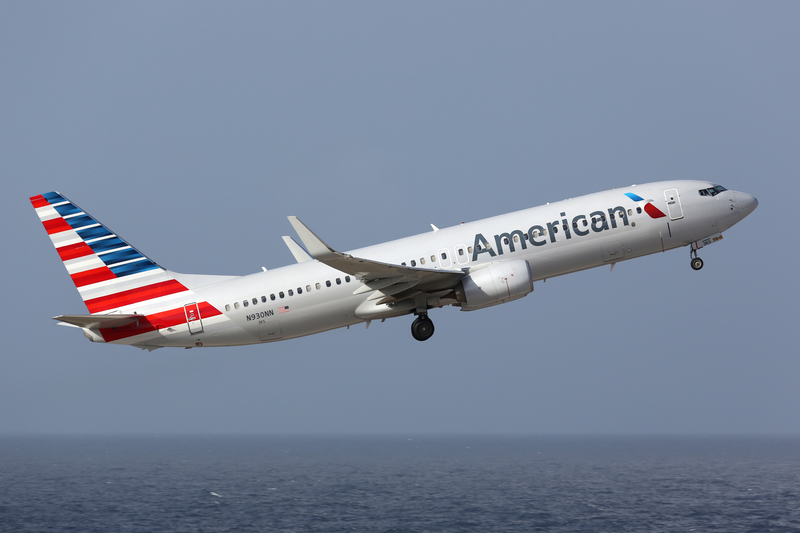
That gave the route a strong strategic narrative. But strategic logic and route performance are not always the same thing.
American Is Calling It A Performance Issue
American has been direct about the reason for the cut.
The airline said it routinely reviews routes to ensure aircraft are being used in the best possible places and that Tijuana had not met performance expectations. That wording matters. It suggests this was not a political, regulatory, or fleet-availability issue. It was a straightforward commercial decision.
In other words, the route did not produce enough demand, enough yield, or the right mix of both to justify keeping it.
The Flight Was Operated Conservatively
American was not exactly flooding the market with capacity.
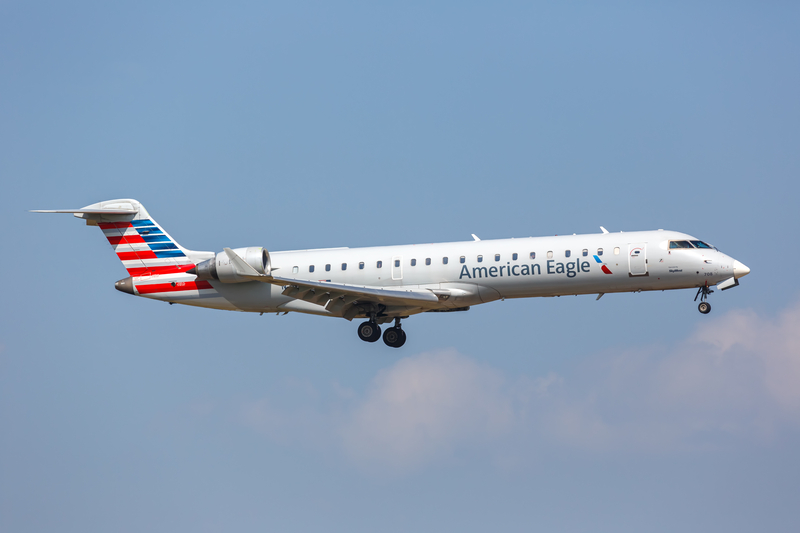
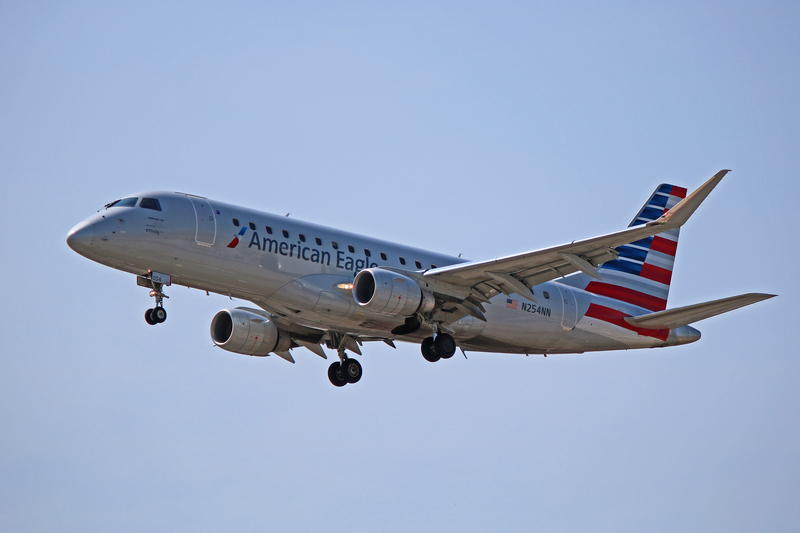
The route was being flown up to five times weekly using SkyWest-operated Bombardier CRJ700 regional jets, which means the airline was already taking a disciplined approach to the market. It was not sending mainline narrowbodies into Tijuana or betting on high-frequency growth. It was using a relatively small regional aircraft and limited weekly service.
That is what makes the cancellation more revealing. If a market cannot work even at that scale, the airline is effectively saying the problem is deeper than simply having chosen the wrong aircraft size.
Tijuana Loses Its Only U.S. Carrier Again
One of the most notable consequences is what happens to Tijuana.
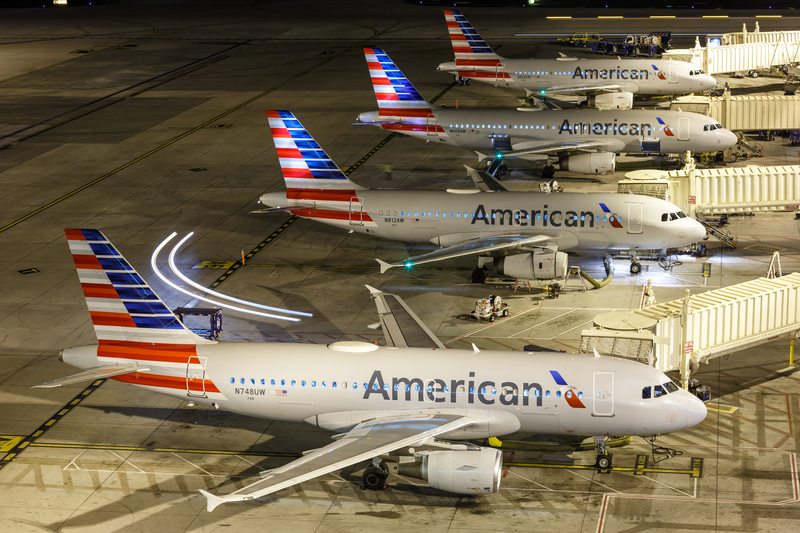
When American launched the route in 2024, it made Phoenix the city’s only U.S. destination and American the only U.S. carrier serving Tijuana. With the service now ending, that distinction disappears again.
That matters because Tijuana is a major Mexican airport with strong domestic relevance, but its U.S. connectivity remains much thinner than its geography alone might suggest. The airport’s role as a gateway for some Southern California travelers through the border crossing does not automatically translate into a durable U.S. airline market.
That is the lesson this route cut reinforces.
Geography Alone Does Not Guarantee Sustainability
The temptation with markets like Tijuana is to assume that proximity equals demand strength.
But airline economics are more complicated than that. A route still has to attract enough local passengers, enough connecting passengers, and enough fare quality to justify scarce aircraft and crew time. If travelers have other practical ways to reach the market, including driving, crossing by land, or connecting through alternative airports, the airline’s nonstop advantage can weaken quickly.
That may be part of what happened here. Tijuana is important, but it also sits in a region where air and ground alternatives complicate the traffic base.
Phoenix Remains A Strong Hub, But Not Every Niche Works
The cut also says something about Phoenix.
PHX remains one of American’s most important western hubs, and that gives it the connectivity to support all kinds of niche routes. But even a large hub cannot make every transborder idea work. Some markets look promising in theory yet fail to produce the combination of local demand and connection utility an airline needs.
This appears to have been one of them.
The Bigger Picture Is Fleet Discipline
There is a broader network lesson here too.
Airlines today are under increasing pressure to make sure every aircraft is doing the most valuable work possible. That means smaller underperforming routes have less protection than they might once have had. If a market is not earning its place, the airline will usually redeploy the aircraft somewhere else rather than hoping the route improves later.
American’s decision fits that pattern exactly.
Bottom Line
American Airlines’ decision to end Phoenix (PHX)–Tijuana (TIJ) on August 3, 2026 closes a route that always had a strong strategic story but apparently not strong enough economics. The service, launched in February 2024, gave Tijuana its only U.S. carrier and only U.S. destination, but even a carefully scaled regional-jet operation could not make the route work well enough to survive.
For Tijuana, it is a reminder that geography and airport importance do not automatically create sustainable U.S. airline service. For American, it is another example of a carrier choosing aircraft deployment discipline over symbolic network breadth.