American Airlines has launched four new transatlantic routes, adding fresh service to Budapest, Prague, Athens, and Zurich as part of what it says will be its biggest summer operation on record.

The new flights began on May 21, 2026, and they do more than add capacity. They show exactly how American is trying to build Europe this summer: use Philadelphia to deepen its transatlantic gateway role, use Dallas/Fort Worth to reinforce its global connecting power, and fill out the network with a mix of brand-new destinations and stronger service to established premium markets.
For aviation readers, this is not just a route launch story. It is a hub strategy story.
Read our stories in your inbox
Two aviation newsletters. Zero fluff.
The Four New Routes
American launched:
- Philadelphia (PHL) – Budapest (BUD)
- Philadelphia (PHL) – Prague (PRG)
- Dallas/Fort Worth (DFW) – Athens (ATH)
- Dallas/Fort Worth (DFW) – Zurich (ZRH)
Of those, Budapest and Prague are especially notable because they are new destinations in American’s own network. That matters. These are not just resumed routes or additional frequencies into familiar cities. They expand the actual map.
Athens and Zurich are more about strengthening already important European demand from one of the airline’s biggest hubs.
Philadelphia Is Being Pushed Harder As A Transatlantic Gateway
The two new Central European routes tell you a lot about what American wants Philadelphia to be.
PHL has long mattered to the airline across the Atlantic, but this summer it is clearly being used even more deliberately as a Europe gateway. American says the airport now offers nonstop service to 19 transatlantic destinations, and the addition of Budapest and Prague deepens that role further.
That makes sense. Philadelphia is close enough to the Northeast demand base to be highly useful, but often less operationally strained than New York. It is exactly the kind of hub an airline can use to build a broad Europe network more efficiently.

Budapest And Prague Add Breadth, Not Just Volume
The significance of the PHL launches is not only frequency. It is network breadth.
Budapest and Prague are the kinds of cities that strengthen an airline’s European offering without needing the scale of a London, Paris, or Rome. They are important capitals, they attract a mix of leisure and business demand, and they help make the airline’s Europe map feel more complete.
That matters because network depth is often what separates a broad global carrier from one that simply flies the obvious trunk routes.
Dallas/Fort Worth Keeps Getting Bigger
On the DFW side, the story is slightly different.
American is adding Athens and Zurich not because DFW lacks long-haul importance, but because it already has so much of it. These routes reinforce the idea that DFW remains the airline’s most important global hub — the place where American can launch or support almost any kind of long-haul service if the connection logic is strong enough.
That is especially true for Zurich, which fits the profile of a business-heavy, premium-friendly market, and Athens, which remains one of the strongest Southern European leisure and diaspora destinations in summer.
The Aircraft Choices Match The Markets
American is using:
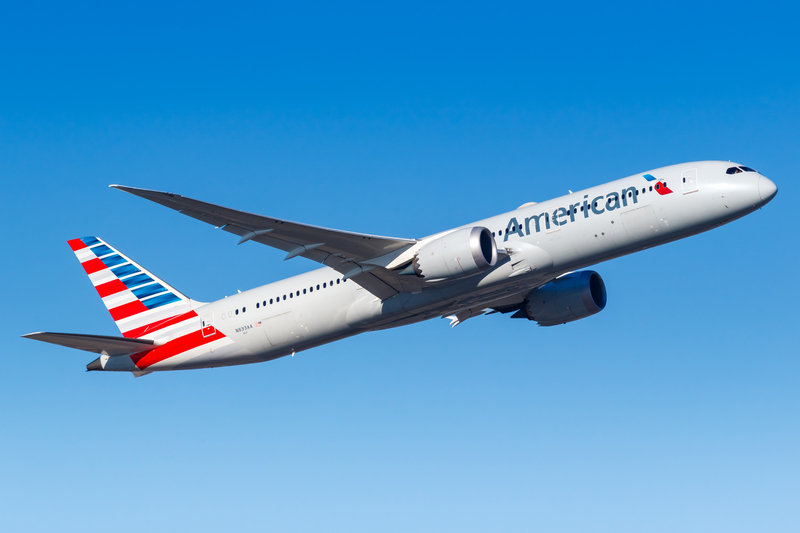
- Boeing 787-8s on Philadelphia–Budapest and Philadelphia–Prague
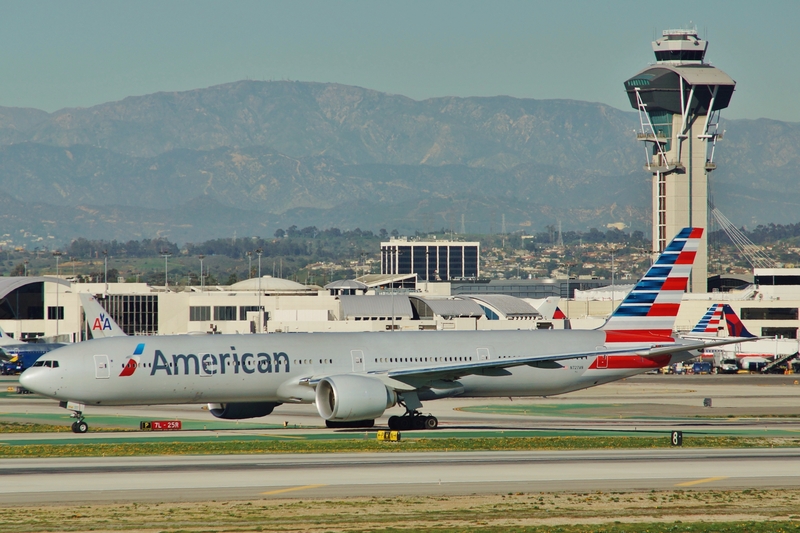
- A mix of Boeing 777-300ERs and 777-200ERs on Dallas/Fort Worth–Athens and Dallas/Fort Worth–Zurich
That split makes strategic sense.
The 787-8 is well suited to thinner long-haul routes like Budapest and Prague, where the airline wants long-range capability without too much seat risk. The 777s at DFW, by contrast, reflect the stronger scale and premium demand likely expected on Athens and Zurich.
In other words, American is not just adding routes. It is matching the aircraft to the kind of route each one is.
This Also Shows How Much American Is Betting On Hub Rebanking
Another important part of the story is what American says about the schedules at both Philadelphia and Dallas/Fort Worth.
The airline has been reshaping both hubs with more evenly distributed “banks” of arrivals and departures to improve flow, reduce pressure, and make connections work better. That sounds operationally dry, but it matters a lot. New long-haul routes only become more valuable if the hubs behind them connect smoothly.
So these Europe launches are also a test of whether American’s new hub structures can make the network more reliable and easier to use.
American’s Europe Buildout Is Wider Than These Four Routes
These four launches did not happen in isolation.
American has also recently added or highlighted new European flying from other hubs, including Miami–Milan and New York JFK–Edinburgh. That makes this look less like one big route day and more like part of a larger Europe push during what the airline says is its biggest-ever summer season.
That matters because it suggests Europe remains one of the clearest places where American still sees room to grow meaningfully.
Bottom Line
American’s launch of four new Europe routes on one day is a meaningful move, especially because Budapest and Prague are completely new destinations for the airline. Philadelphia gains more depth as a transatlantic hub, while Dallas/Fort Worth keeps strengthening its role as the center of American’s global network.
The bigger takeaway is that this is not just expansion for expansion’s sake. It is carefully placed hub-driven growth, with the aircraft and cities chosen to fit the role each gateway plays in the airline’s system.
Keep reading FlyMag
Get the Daily Brief in the morning or the Route Watch weekly recap on Fridays. Or both.