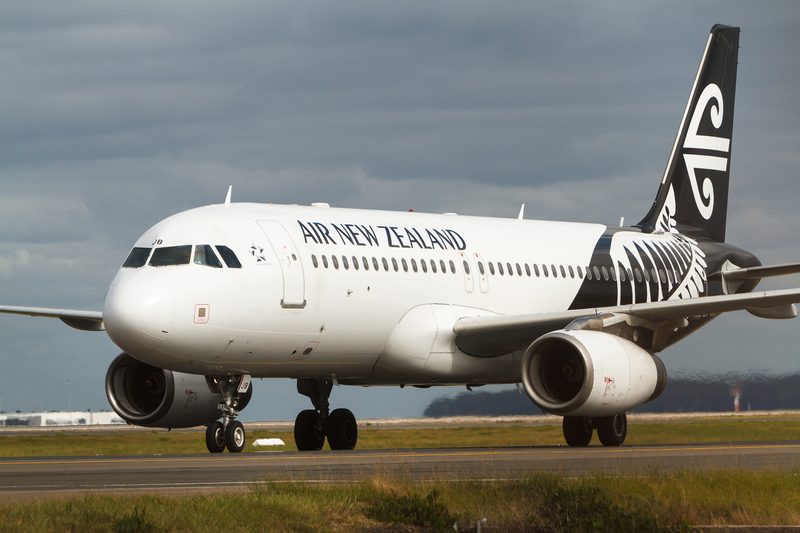
Air New Zealand will become the first international airline to serve Western Sydney International Airport (WSI), launching three weekly flights to Auckland Airport (AKL) from October 26, 2026.
That is a meaningful milestone for Sydney’s new airport. Until now, most discussion around WSI has centered on its future potential. Air New Zealand’s decision gives the airport its first true international foothold and turns that potential into a live commercial operation. It also gives the airline something strategically valuable: early-mover advantage at a brand-new gateway serving one of Australia’s fastest-growing catchments.
Just as importantly, Air New Zealand will reach WSI nearly a month before Singapore Airlines, which is scheduled to begin daily flights from Singapore Changi Airport (SIN) on November 23. That means the Auckland link will not just be among the airport’s first international services. It will be the first.
Read our stories in your inbox
Two aviation newsletters. Zero fluff.
Why Western Sydney Works for Air New Zealand
This is not a vanity launch. The logic is strong.
Western Sydney International Airport (WSI) offers something Sydney Kingsford Smith Airport (SYD) cannot: a 24-hour operating model without the same curfew constraints. For airlines, that matters enormously. It creates more scheduling flexibility, supports cleaner aircraft utilization, and allows flights to be timed around connections rather than around airport closure windows.
For Air New Zealand, that makes WSI a commercially sensible addition rather than just a symbolic one. The carrier already has a well-established presence at SYD, but a second Sydney-area airport gives it access to a different local catchment while also building relevance in a market that will only become more competitive as WSI grows.
The Schedule Is Built Around More Than Point-to-Point Traffic
The flights will operate on Mondays, Wednesdays, and Fridays, departing AKL at 6:10 a.m. and arriving at WSI at 7:55 a.m. The return service leaves WSI at 9:05 a.m. and reaches AKL at 2:20 p.m.
Those timings matter. This is not simply a trans-Tasman shuttle aimed only at local Sydney–Auckland demand. The mid-afternoon arrival into Auckland gives Air New Zealand a useful connection bank into its broader network, including domestic New Zealand services and onward international flights.
That is where the route becomes more interesting. For travelers in western Sydney, WSI-AKL is not just another flight to New Zealand. It is also a new one-stop pathway into Air New Zealand’s wider North America, Pacific Islands, and domestic New Zealand network.
The Airbus Narrowbody Is the Right Tool
Air New Zealand will operate the route with its international Airbus A320 and A321 narrowbodies, and the airline has confirmed the WSI service will be sold as an all-Economy product.
That makes sense. A trans-Tasman route like AKL-WSI does not need a widebody to work well, especially in the early stages. What it needs is the right balance of trip cost, seat count, and scheduling flexibility. Single-aisle Airbus aircraft are a far better match for that task than a larger long-haul jet would be.
For Air New Zealand, the choice also keeps the route commercially disciplined. It can test and build demand without overcommitting capacity, while still offering enough seats to make the market visible and useful from day one.
This Is a Strong Fit for Western Sydney’s Catchment
There is also a clear local demand story behind the move.
Western Sydney is a large and growing population base with strong New Zealand links, and WSI is designed to capture travelers who would rather not cross the entire metropolitan area to use SYD. That convenience alone should matter, particularly for visiting-friends-and-relatives traffic and short-break leisure demand across the Tasman.
But convenience is only part of the picture. WSI also allows Air New Zealand to shape customer habits early. Being the first international carrier at a new airport is not always decisive, but it can be extremely valuable when the airport serves a major metropolitan area and is expected to scale quickly.
Singapore Airlines Will Follow, but Air New Zealand Moves First
The timing gap with Singapore Airlines is worth noting because it underlines how quickly WSI is gaining traction with international carriers.
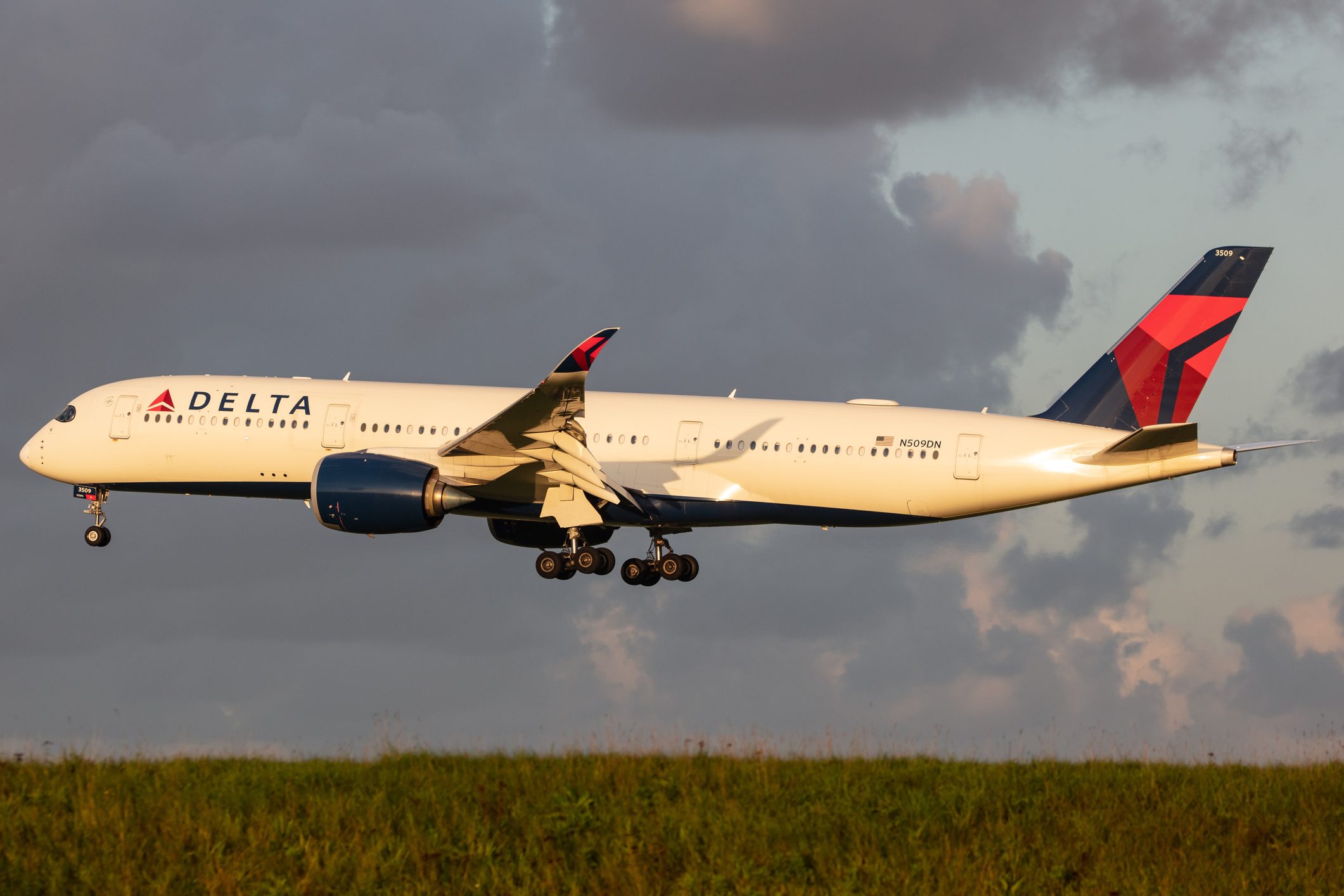
Singapore Airlines has already announced daily SIN-WSI service from November 23, using its Airbus A350-900 medium-haul aircraft. That service will be the airport’s first long-haul international route. But Air New Zealand will still arrive first, and that gives the carrier a useful commercial and branding advantage.
In practical terms, Air New Zealand gets to define the airport’s first international chapter, even if Singapore Airlines will bring the broader long-haul profile a few weeks later.
Bottom Line
Air New Zealand’s Auckland Airport (AKL) to Western Sydney International Airport (WSI) launch is more significant than a routine trans-Tasman route announcement.
It gives WSI its first international airline, gives western Sydney travelers a new airport option with strong onward connectivity, and lets Air New Zealand secure an early strategic foothold at a curfew-free airport that is likely to become increasingly important in the Sydney market.
The use of Airbus A320 and A321 narrowbodies keeps the route commercially sensible, while the schedule gives the service value beyond simple point-to-point traffic. For airline professionals, that is the real story: this is not just a first. It is a very calculated first.
Keep reading FlyMag
Get the Daily Brief in the morning or the Route Watch weekly recap on Fridays. Or both.