Air China Adds Milan-Beijing Daxing Route As Malpensa Deepens China Network
Air China has launched a new nonstop service between Milan and Beijing, adding another direct Italy–China link from Northern Italy’s largest long-haul gateway.

The new route connects Milan Malpensa Airport (MXP) with Beijing Daxing International Airport (PKX), one of China’s newest and most important aviation hubs.
It is a significant addition for both airports. Milan Malpensa (MXP) becomes the first airport in Italy with direct service to Beijing Daxing (PKX). Air China also strengthens its already large presence at MXP, where it now serves four destinations in China.
Read our stories in your inbox
Two aviation newsletters. Zero fluff.
For travelers, the route adds more choice between Italy and China. For Air China, it gives the airline another way to grow long-haul traffic through Beijing’s second major international airport.
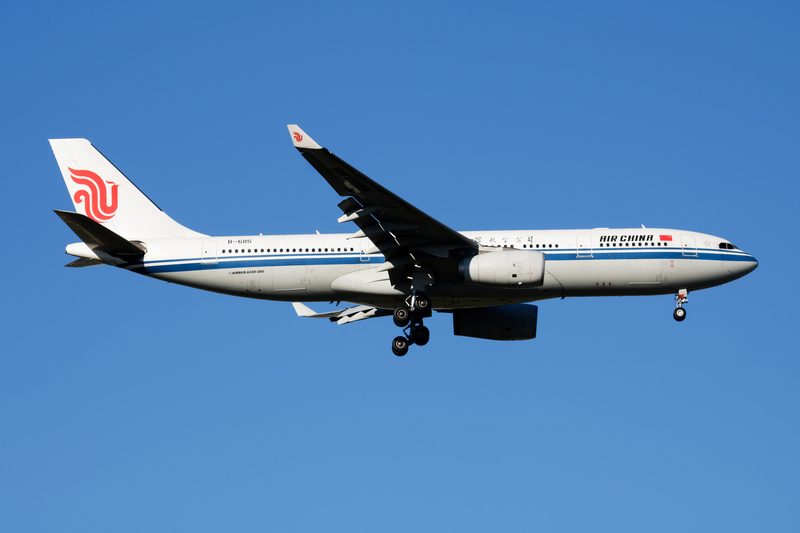
Daily Airbus A330 Service Between MXP And PKX
Air China is operating the Milan Malpensa (MXP)–Beijing Daxing (PKX) route daily.

The service uses the Airbus A330-300, a widebody aircraft that remains an important part of Air China’s long-haul and medium-long-haul fleet.
The published schedule shows flight CA749 departing Beijing Daxing (PKX) at 1:00 p.m. and arriving in Milan Malpensa (MXP) at 6:00 p.m. The return flight, CA750, leaves Milan (MXP) at 8:00 p.m. and arrives back in Beijing (PKX) at 12:10 p.m. the next day.
That timing works well for long-haul travelers.
The westbound flight gives passengers an evening arrival in Milan. The eastbound flight allows a late-evening departure from Italy and a midday arrival in Beijing.
It also supports onward connections in China, especially for passengers using Air China’s domestic and regional network.
Milan Malpensa Now Has Four Air China Routes
The new Beijing Daxing service adds to an already strong Air China operation at Milan Malpensa (MXP).
Air China now links MXP with four Chinese destinations:
- Beijing Capital International Airport (PEK)
- Beijing Daxing International Airport (PKX)
- Chengdu Tianfu International Airport (TFU)
- Shanghai Pudong International Airport (PVG)
That gives Malpensa one of the strongest China networks in Southern Europe.
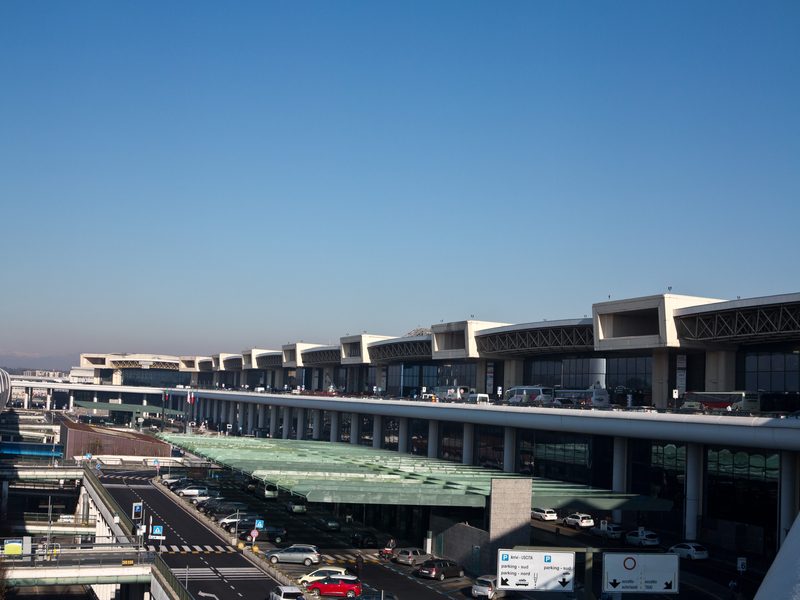
The airport already plays a major role as Northern Italy’s main intercontinental gateway. It also serves the wider Lombardy region, which is one of Europe’s most important industrial and commercial areas.
For Air China, this is a useful market. Milan is not only a tourism destination. It is also a business, fashion, finance, design and manufacturing center.
That mix gives the route a stronger demand base than leisure traffic alone.
Why Beijing Daxing Matters
Beijing Daxing International Airport (PKX) opened in 2019 as Beijing’s second major international airport.
It was built to relieve pressure on Beijing Capital International Airport (PEK), which has long been one of Asia’s busiest aviation hubs.
Daxing is also one of the largest airport infrastructure projects in modern aviation. The airport’s first phase was designed for 72 million passengers, two million tons of cargo and mail, and 620,000 aircraft movements per year.
Its terminal is famous for its star-shaped design. That layout is intended to reduce walking distances and improve passenger flow through a very large building.
For Air China, PKX gives Beijing more room for long-term growth. It also allows the airline to build additional international links without relying only on Beijing Capital (PEK).
That is why the Milan route is important. It is not just another flight to Beijing. It is part of the gradual international buildout at Daxing.
The A330-300 Is A Practical Aircraft Choice
The Airbus A330-300 is a sensible aircraft for Milan (MXP)–Beijing Daxing (PKX).
It offers enough range for the route and enough capacity for a major European market. At the same time, it does not carry the same capacity risk as a larger aircraft such as the Boeing 777-300ER or Airbus A350-900.
Air China’s Airbus A330 fleet information shows several A330 layouts. The A330-300 can be configured with 301 or 311 seats, depending on the aircraft.
Those versions include Business Class, Premium Economy and Economy.
That cabin mix matters on a route like Milan–Beijing. The market can support business demand, tour groups, student travel, visiting-friends-and-relatives traffic and cargo. A three-cabin A330 gives Air China flexibility across all those segments.
The A330-300 also offers useful belly cargo capacity. That is important between Northern Italy and China, where high-value goods can move in both directions.
A Route With Strong Business And Cargo Potential
The Milan–Beijing Daxing route has clear commercial logic.
Northern Italy is one of Europe’s strongest manufacturing regions. Lombardy alone is a major center for fashion, machinery, pharmaceuticals, design, finance and high-value exports.
China is also a key market for Italian luxury brands, industrial suppliers and consumer products.
That creates two-way demand. Italian companies need access to China. Chinese businesses and travelers need access to Milan and Northern Italy.
Cargo is also part of the story.
Milan Malpensa is Italy’s leading air cargo airport. SEA Milan Airports reported 759,000 cargo tons across its system in 2025, underlining Malpensa’s role as a major freight platform.
That is important for Air China. A daily A330 passenger flight can carry belly freight as well as passengers, helping support the route’s economics.
Italy–China Travel Keeps Rebuilding
The launch also reflects the broader recovery and reshaping of Italy–China air travel.
China reopened gradually after several difficult years for international aviation. Since then, Chinese carriers have been adding capacity back into Europe.
Italy is a natural market for that growth.
The country has strong inbound tourism appeal for Chinese travelers. Milan, Rome, Venice and Florence remain major draws. Northern Italy also has deep business ties with China.
For Italian travelers, the route adds another way to reach Beijing and the broader Chinese market.
The difference is the airport.
Many travelers are familiar with Beijing Capital (PEK). Beijing Daxing (PKX) is newer, and it is still building its international profile. Air China’s new Milan service helps make Daxing more visible in Europe.
Malpensa Strengthens Its Long-Haul Position
For Milan Malpensa (MXP), the new route is another step in its long-haul growth.
The airport is Italy’s second-busiest passenger airport and its most important cargo gateway. It also serves a catchment area that extends well beyond Milan into Northern Italy, Switzerland and parts of Southern Europe.
That makes long-haul service valuable.
A new daily Beijing flight strengthens MXP’s position against competing European gateways. It gives local passengers more nonstop options and gives airlines another reason to view Milan as a serious intercontinental market.
The China network is especially important.
With Air China serving Beijing Capital (PEK), Beijing Daxing (PKX), Chengdu (TFU) and Shanghai (PVG), Malpensa now has a broader spread of nonstop links into China’s largest aviation and economic centers.
Air China Builds A Two-Airport Beijing Strategy
Air China’s Milan service also shows how Beijing’s two-airport system is developing.
Beijing Capital (PEK) remains the better-known international gateway and continues to host many of Air China’s flagship long-haul services. However, Daxing (PKX) gives the airline another platform for expansion.
The Milan route complements Air China’s existing Beijing Capital (PEK)–Milan Malpensa (MXP) service rather than simply replacing it.
That is important.
Serving both Beijing airports gives passengers more schedule and airport choice. It also gives Air China more flexibility in how it manages Beijing-area capacity.
Over time, this two-airport strategy may become more important as Daxing grows its international network.
Competition And Connectivity
Air China’s position on Italy–China routes is already strong.
The airline benefits from its Beijing hub, its domestic China network and its membership in Star Alliance. That can help attract passengers connecting beyond Beijing to other Chinese cities.
The Milan route also competes in a market with growing direct China capacity.
China Eastern and other Chinese carriers have been rebuilding European services, while European airlines continue to evaluate where China capacity makes the most sense.
For passengers, that means more choice.
For airlines, it means pricing and product will matter. Frequency, airport convenience, loyalty programs and connections will all influence which carrier travelers choose.
Bottom Line
Air China’s new Milan Malpensa (MXP)–Beijing Daxing (PKX) service is a meaningful addition to Italy–China aviation.
The daily Airbus A330-300 route makes Malpensa the first Italian airport with direct service to Beijing Daxing. It also expands Air China’s Milan network to four Chinese destinations: Beijing Capital, Beijing Daxing, Chengdu and Shanghai.
For Milan, the route strengthens its role as Northern Italy’s leading intercontinental gateway. For Beijing Daxing, it adds another important European connection as the airport continues to grow its international profile.
The route also has strong business, tourism and cargo logic.
With daily widebody service, a major Italian catchment area and Air China’s deep China network behind it, Milan–Beijing Daxing is more than a symbolic launch. It is a practical addition to one of Europe’s most important China-facing aviation markets.
Keep reading FlyMag
Get the Daily Brief in the morning or the Route Watch weekly recap on Fridays. Or both.