SriLankan A330 Returns To Colombo After Reported Lightning Strike On Sydney Flight
A SriLankan Airlines flight from Colombo Bandaranaike International Airport (CMB) to Sydney Airport (SYD) returned to Colombo shortly after departure following a reported lightning strike during adverse weather.
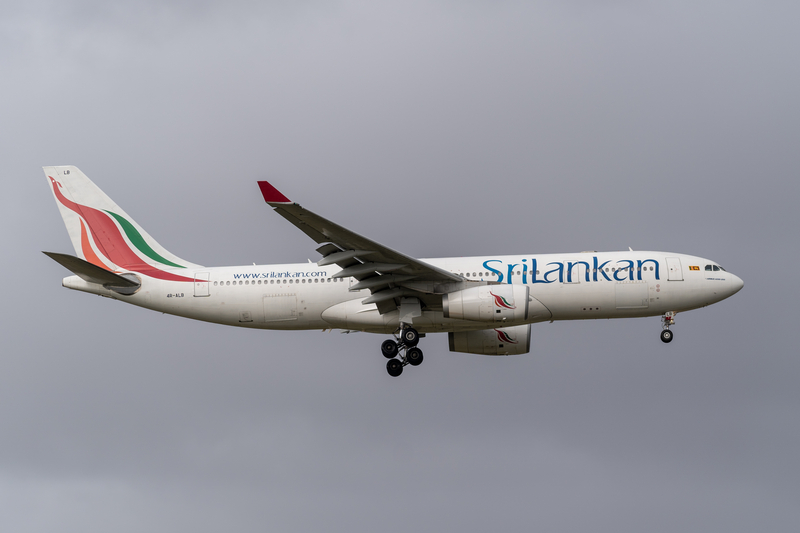
Flight UL606 departed Colombo (CMB) early on June 12 local time. The aircraft was an Airbus A330-200, registered 4R-ALH.
There were 207 passengers and 16 crew members on board.
Read our stories in your inbox
Two aviation newsletters. Zero fluff.
The aircraft landed safely back at Colombo (CMB). No injuries were reported.
SriLankan arranged a replacement aircraft, which departed for Sydney (SYD) later that morning.
The Crew Turned Back As A Precaution
UL606 was operating a long overnight flight from Sri Lanka to Australia.
Shortly after departure, the aircraft encountered adverse weather. Reports said the aircraft was struck by lightning during the climb.
Video shared online appeared to show a flash, sparks, or brief flames near one of the engines. However, the full technical cause has not yet been confirmed publicly.
The crew decided not to continue the nearly 10-hour flight to Sydney (SYD).
Instead, they returned to Colombo (CMB). That was the conservative choice.
A return to base allowed engineers to inspect the aircraft before it flew another long sector.
The Aircraft Was 4R-ALH
The aircraft involved was 4R-ALH, a SriLankan Airlines Airbus A330-243.
SriLankan lists this aircraft with 18 Business Class flat-bed seats and 252 Economy seats. The A330-200 is a long-range twin-engine widebody used by many airlines on medium- and long-haul routes.
The A330-200 is well suited to Colombo (CMB)–Sydney (SYD).
Airbus says the A330-200 can operate routes up to 7,250 nautical miles, depending on configuration. The Colombo–Sydney sector is well within that range.
The aircraft type was not the issue. The return was driven by the reported weather-related incident and the need for inspection.
Why Lightning Strikes Look Dramatic
Lightning strikes can look alarming from inside or outside the aircraft.
Passengers may hear a loud bang. They may also see a flash, sparks, or a brief glow near part of the aircraft.
That does not always mean there is a fire or major damage.
Commercial aircraft are designed to handle lightning strikes. The U.S. National Weather Service says passenger aircraft are typically struck by lightning once or twice per year. They are built with conductive paths that carry the electrical current through the aircraft and back out.
Even so, every event must be taken seriously.
A lightning strike can damage antennas, sensors, composite panels, paint, engine components, or electrical systems. Some damage may not be visible right away.
That is why airlines inspect aircraft after a strike.
Why The Return Made Sense
The crew could have continued only if the aircraft was fully safe and all systems were normal.
But UL606 was at the start of a long oceanic flight.
That changes the decision.
A flight from Colombo (CMB) to Sydney (SYD) includes long sectors over water and remote areas. If there is any uncertainty after a lightning strike or engine-related indication, returning to the departure airport is often the safest and most practical option.
Colombo is SriLankan’s home base. It has the airline’s maintenance support, spare aircraft access, and operational control resources.
That made it the best place to inspect 4R-ALH and protect the onward journey.
Replacement Aircraft Continued To Sydney
SriLankan arranged another aircraft for passengers.
The replacement flight departed Colombo at 05:51 local time and continued to Sydney (SYD).
That reduced the disruption, although passengers still faced a long delay.
From an airline operations perspective, this was the right recovery plan. The affected aircraft could remain in Colombo for inspection. Passengers could continue on another aircraft instead of waiting for engineers to clear 4R-ALH.
That is standard practice after a weather-related technical event.
Engine Reports Need Careful Wording
Several reports described flames or sparks near the engine.
That should be written carefully.
A video can show a bright flash, but it may not prove a sustained engine fire. It could be lightning discharge, a brief engine surge, or another short-lived event linked to the strike.
SriLankan has not publicly released detailed technical findings on the engine.
For now, the safest wording is that the aircraft experienced a reported lightning strike, with images appearing to show a flash or brief flame near the engine.
The important confirmed point is that the aircraft returned and landed safely.
The A330 Will Need Detailed Checks
After a lightning event, engineers inspect the aircraft before it returns to service.
That inspection can include the fuselage, wings, static discharge wicks, antennas, sensors, avionics, and engine areas. Engineers also look for entry and exit marks from the lightning current.
If an engine was affected, the inspection becomes more detailed.
Technicians may check fan blades, nacelle panels, wiring, sensors, and engine-control systems. They may also review aircraft data recorded during the event.
The aircraft cannot return to normal service until maintenance teams are satisfied that it remains airworthy.
A Reminder About Weather Risk
Modern aircraft are built for lightning protection.
But flight crews still avoid thunderstorms when possible. Thunderstorms can bring more than lightning. They can also bring turbulence, hail, wind shear, heavy rain, and strong updrafts or downdrafts.
Those hazards are often more operationally significant than the lightning itself.
In this case, the aircraft encountered adverse weather soon after departure. The crew returned to Colombo (CMB), where the aircraft landed without injuries.
That is the safety system working as intended.
Bottom Line
SriLankan Airlines flight UL606 from Colombo (CMB) to Sydney (SYD) returned to Colombo after a reported lightning strike shortly after departure.
The aircraft was an Airbus A330-243, registered 4R-ALH. It had 207 passengers and 16 crew members on board.
The aircraft landed safely at Colombo Bandaranaike International Airport (CMB). No injuries were reported.
SriLankan later sent a replacement aircraft to continue the journey to Sydney (SYD), while the affected A330 remained available for inspection.
The incident looked dramatic because video appeared to show a flash or brief flame near the engine. However, lightning strikes are a known aviation hazard, and commercial aircraft are designed to withstand them.
The crew’s decision to return was sensible. On a long flight to Australia, any uncertainty after a lightning-related event is best handled on the ground, not several hours into an oceanic sector.
Keep reading FlyMag
Get the Daily Brief in the morning or the Route Watch weekly recap on Fridays. Or both.