Rosaviatsia Tightens Pressure On Izhavia As Fleet And Compliance Questions Grow
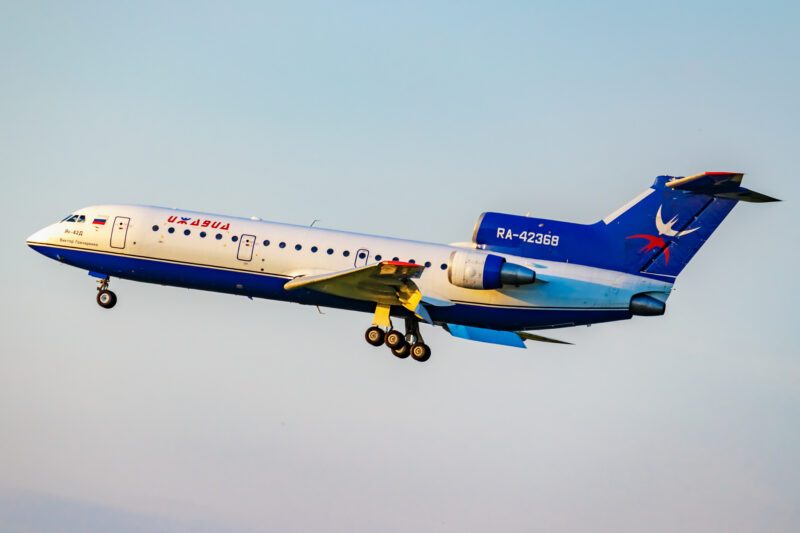
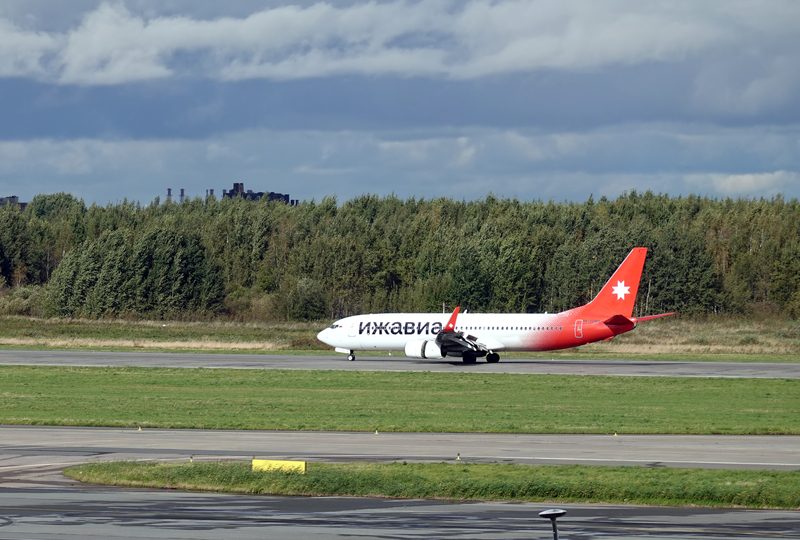
Russia’s federal air transport regulator has restricted the air operator’s certificate of Izhavia, placing the regional carrier under tighter oversight after inspectors found shortcomings in maintenance, safety management, and staff scheduling.

The restriction took effect on April 30, 2026, and runs through July 28, 2026, giving the airline a limited window to correct the findings. For now, Izhavia is still allowed to continue normal operations. But the message from Rosaviatsia is clear: the carrier is being given time to fix problems, not permission to ignore them.
For aviation readers, that distinction matters. This is not an immediate grounding. It is a formal warning backed by regulatory leverage.
Read our stories in your inbox
Two aviation newsletters. Zero fluff.
The AOC Has Been Restricted, Not Suspended
The first thing to understand is what this action means in practice.
Izhavia has not lost its certificate entirely, and it has not been ordered to stop flying immediately. Instead, Rosaviatsia has limited the validity of the carrier’s AOC and attached a deadline for corrective action. That places the airline in a probation-like situation where it can keep operating, but only while the regulator evaluates whether the identified deficiencies are being resolved.

That kind of measure is serious because it signals reduced confidence in the operator’s current systems without forcing an immediate shutdown.
The Findings Go Beyond One Technical Issue
The inspection reportedly uncovered deficiencies in three particularly sensitive areas:
- aircraft maintenance
- safety management
- staff scheduling
That combination is important. A single maintenance finding can often be treated as a technical problem. A pattern across maintenance, safety management, and staffing points to something broader: an airline whose operational control systems may not be strong enough.
For regulators, that is the kind of mix that justifies a formal AOC restriction.

July 28 Is Now The Critical Date
The airline has until July 28, 2026 to address the findings.
That date is more than an administrative deadline. It is now the point at which Rosaviatsia will effectively decide whether Izhavia’s corrective measures are credible enough for the airline to continue under normal certification conditions.
If the problems are not fixed satisfactorily, the restriction could become more serious. That is why this is not a minor compliance issue. It is a real operational and strategic test for the carrier.
The Timing Is Awkward For A Carrier Seeking Investors
The regulator’s move comes at a particularly difficult moment because Izhavia’s owner, the government of Udmurtia, is already searching for investors to support a strategic privatization before the end of 2026.
That matters because airlines do not usually look more attractive to investors when they are under formal regulatory restriction. Anyone considering involvement in the carrier will now have to evaluate not just the business case, but also the state of the airline’s compliance systems, maintenance culture, and management capability.
In other words, the AOC restriction complicates the privatization story.
The Bigger Question Is Whether This Is A Temporary Setback Or A Deeper Sign Of Weakness
For now, Izhavia can keep flying, and that is important.
But the broader question is whether Rosaviatsia’s findings reflect isolated shortcomings that can be corrected quickly or whether they point to a deeper structural weakness inside the airline. That is what the next two months will reveal.
Regional carriers can survive regulatory pressure if they respond quickly and credibly. They struggle much more if the issues stem from weak management discipline or under-resourced operational systems.
Bottom Line
Rosaviatsia’s decision to restrict Izhavia’s AOC is a significant warning, even though the airline is still allowed to continue normal operations for now. The regulator’s findings in maintenance, safety management, and staff scheduling are serious enough on their own; together, they suggest the airline is under meaningful pressure to prove its operational house is in order.
With a July 28 deadline now in place and privatization efforts already underway, Izhavia is facing a critical stretch. The airline’s future will depend not just on finding investors, but on convincing the regulator that it can still operate to an acceptable standard.
Keep reading FlyMag
Get the Daily Brief in the morning or the Route Watch weekly recap on Fridays. Or both.