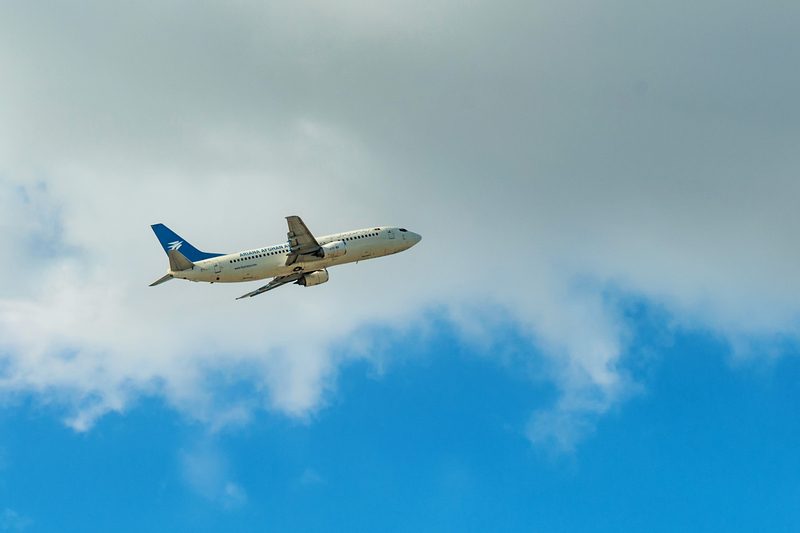
Ariana Afghan Airlines suffered a serious runway excursion at Kabul International Airport (KBL) on March 25 when one of its Boeing 737-400s skidded off Runway 29 after landing and came to rest on the grass.

The good news is that everyone onboard got out safely. Passengers and crew evacuated via emergency slides, and no injuries have been reported. But that should not make the event seem minor. A runway excursion in wet conditions remains one of the most common ways a routine landing can turn into a major accident, especially when an older narrowbody leaves the paved surface at speed.
That is the real significance of what happened in Kabul. This was not a harmless overrun avoided by luck alone. It was a serious landing incident that ended well.
Read our stories in your inbox
Two aviation newsletters. Zero fluff.
The Aircraft Left The Runway On Landing
The aircraft involved was a Boeing 737-400, registration YA-PIC, operating an Ariana Afghan Airlines domestic service into Kabul.
After touchdown on Runway 29, the aircraft veered off the right side of the runway, crossed a taxiway, and stopped in the grass. Images and multiple incident reports indicate that the left wing sustained visible damage. That matters because even when a runway excursion ends without injuries, the aircraft can still suffer substantial structural harm.
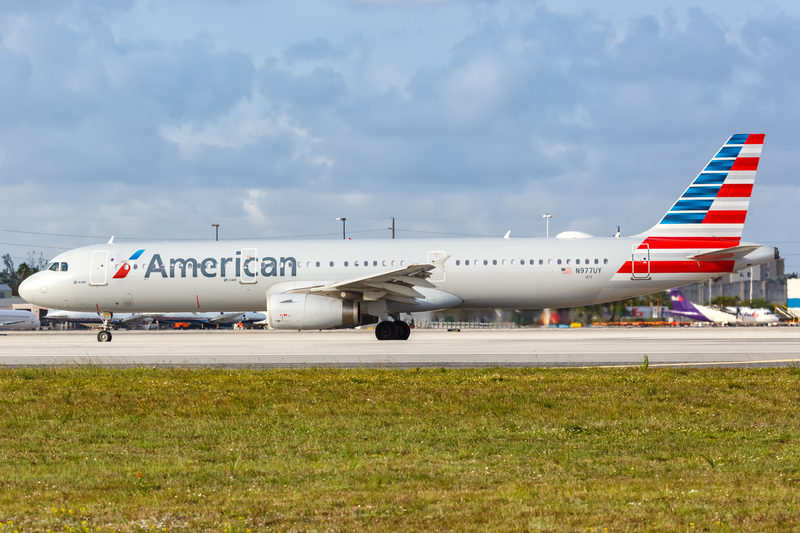
For aviation readers, the sequence is familiar: touchdown, directional control problem during rollout, departure from the paved surface, and damage after leaving the runway environment. It is a classic runway-excursion pattern.
Wet Conditions Appear To Be Central
The early operational context points strongly toward weather being an important factor.
Reports from Kabul indicate rainy conditions at the time of landing, and that immediately puts runway braking and directional control at the center of the discussion. Wet runways reduce margin quickly, especially if touchdown is not exactly where or how it should be, if braking effectiveness is degraded, or if the surface condition is poorer than expected.
That does not prove a cause by itself. A full explanation will need to consider aircraft speed, touchdown point, crosswind, runway condition, braking performance, and crew handling. But in a case like this, wet-runway dynamics are the obvious first place to look.
The Evacuation Suggests The Crew Took No Chances
One detail worth noting is that the aircraft was evacuated using emergency slides.
That tells you the crew and ground responders treated the event seriously from the outset. Even without fire or visible smoke, once an aircraft has left the runway and sustained structural damage, the priority becomes getting people off quickly and safely rather than assuming the cabin environment will remain stable.
That appears to have been done effectively here. For all the attention on the excursion itself, the successful evacuation with no reported injuries is an important part of the outcome.
Kabul Adds Its Own Operational Complexity
Any runway incident at Kabul International Airport (KBL) carries added context.
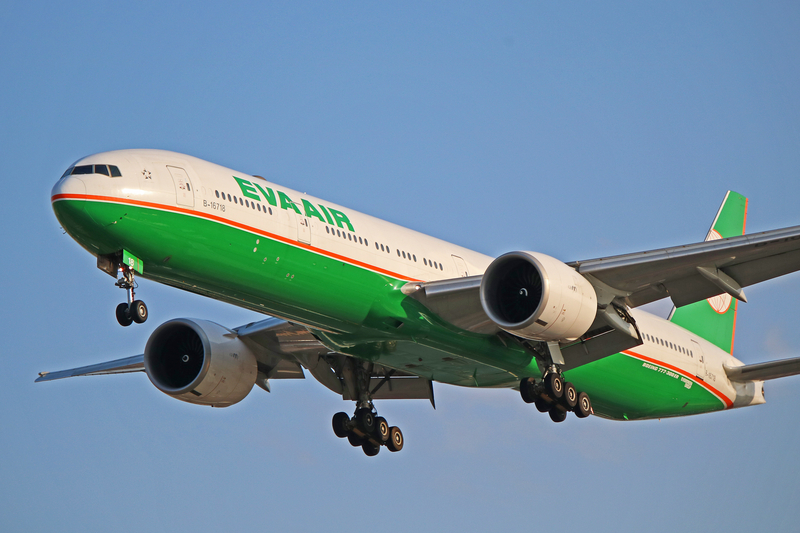
Punches Thrown Before Takeoff: EVA Air Probes Alleged Cockpit Assault During LAX Taxi
This is not a straightforward major-hub operating environment in the way many Western airports are. Weather, infrastructure, operational support, and wider aviation-system resilience all matter more when margins are thinner. None of that excuses an excursion, but it does frame why these events deserve close scrutiny. Airports with more limited redundancy have less room to absorb surface incidents cleanly.
Even so, current reporting suggests the disabled aircraft did not cause major long-lasting operational disruption at KBL, which is notable in itself.
A Safe Outcome Does Not Make The Event Routine
Ariana Afghan Airlines reportedly said such incidents can occur in aviation globally and emphasized that passenger safety remains its top priority.
That is fair as far as it goes. Runway excursions do happen worldwide. But they are not routine in the sense of being unimportant. They remain one of the most persistent operational risks in commercial aviation precisely because they often begin with an ordinary landing and only become serious in the final seconds, when there is very little room to recover.
That is why this event matters even without fatalities or injuries. It is a reminder of how quickly a landing can go wrong once directional control is lost on a wet surface.
Bottom Line
Ariana Afghan Airlines’ March 25 runway excursion at Kabul International Airport (KBL) ended in the best way possible under the circumstances: everyone onboard escaped safely, and the aircraft came to rest without a post-crash fire or injuries.
But the Boeing 737-400’s departure from Runway 29 in rainy conditions was still a serious event. The aircraft left the paved surface, crossed a taxiway, sustained damage, and required a full slide evacuation. For aviation readers, the key takeaway is simple: wet-runway excursions remain a major safety risk, and this incident in Kabul is another reminder that a normal landing roll can deteriorate very fast when runway margin disappears.
Keep reading FlyMag
Get the Daily Brief in the morning or the Route Watch weekly recap on Fridays. Or both.