Southwest Adds Burbank-Honolulu As Southern California Hawaii Competition Builds
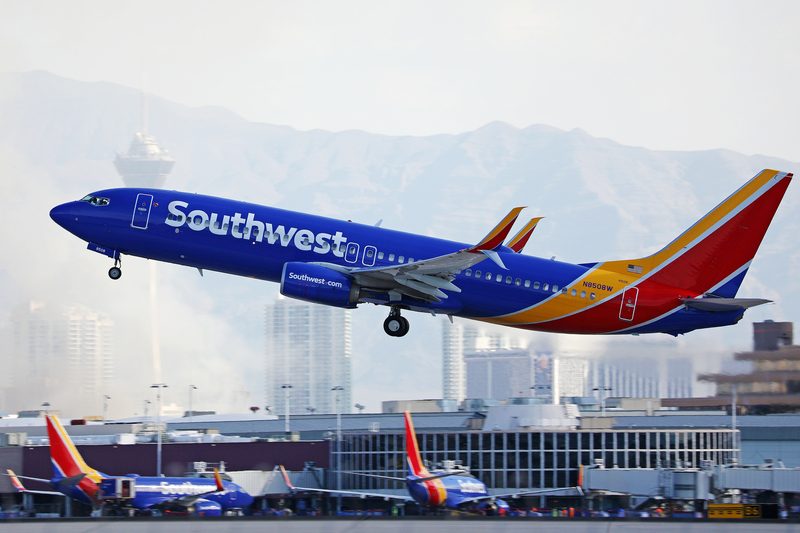
Southwest Airlines will launch nonstop service between Burbank and Honolulu on August 4, 2026, adding another Southern California gateway to its Hawaii network.

The new route will connect Hollywood Burbank Airport (BUR) with Daniel K. Inouye International Airport (HNL) in Honolulu.
For travelers in the San Fernando Valley, Pasadena, Glendale, Hollywood and parts of northern Los Angeles, this is a meaningful addition. It creates a Hawaii option from a smaller, easier airport that many passengers prefer over the long drive to Los Angeles International Airport (LAX).
For Southwest, the route strengthens a growing Southern California–Hawaii strategy. It also places the airline directly against Alaska Airlines, which launched its own Burbank–Honolulu service earlier this year.
Southwest Starts BUR–HNL In August
Southwest first announced the Burbank (BUR)–Honolulu (HNL) route as part of its late-summer 2026 schedule expansion.
The airline described the service as “peak-day” flying rather than daily service. That means frequencies will vary by month and travel period.
The route is already visible on Southwest’s own Burbank to Honolulu booking page. The airline’s schedule shows fares available from August 2026 onward, with the service extending beyond the initial summer launch window.
That is important.
This is not just a one-off summer experiment. Southwest is positioning Burbank–Honolulu as a continuing Hawaii link, even if it will not operate every day.
A Long Narrowbody Flight From A Compact Airport
The Burbank (BUR)–Honolulu (HNL) route covers roughly 2,562 miles, according to Southwest’s route information.
That makes it a long single-aisle flight. Westbound block times can approach six hours, especially when headwinds are a factor. Eastbound flights are usually shorter because of more favorable winds.
This is the kind of mission that has become increasingly normal for modern Boeing 737 operators.
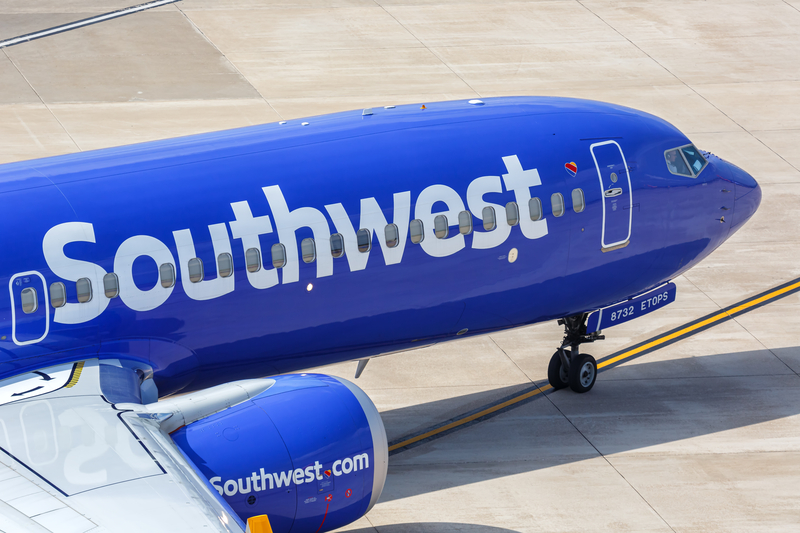
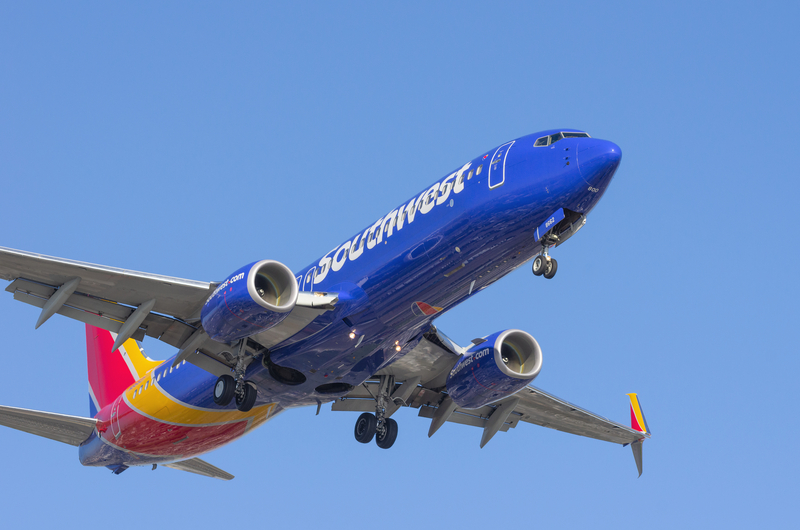
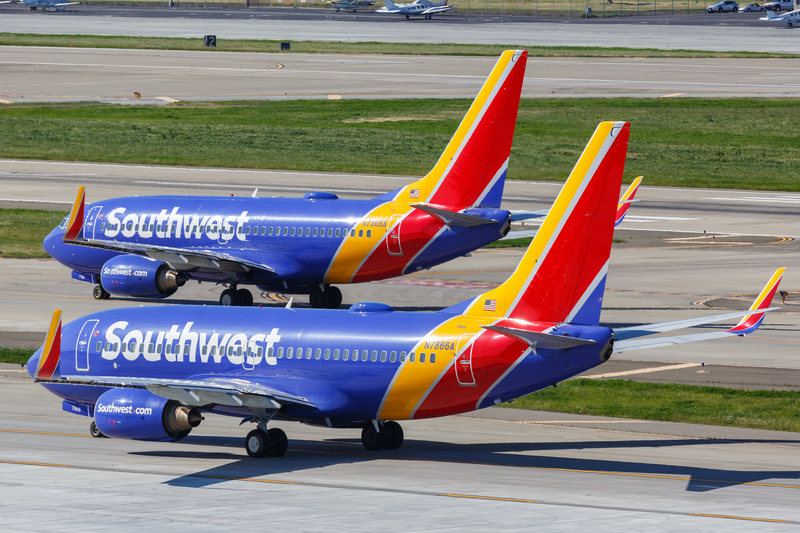
Southwest operates an all-Boeing 737 fleet. Its Hawaii network relies on single-aisle aircraft rather than widebodies, giving the carrier the ability to serve thinner leisure markets without deploying larger long-haul jets.

That matters at Burbank.
BUR is convenient, but it is not LAX. The airport does not need 300-seat widebodies to make Hawaii work. It needs a right-sized aircraft, strong local demand and a schedule that matches peak leisure periods.
Why Burbank Works
Burbank is one of the most convenient airports in the Los Angeles region.
It serves a large catchment area across the San Fernando Valley, Hollywood, Glendale, Pasadena and surrounding communities. For many travelers, using BUR can save significant time compared with driving to LAX.
That is the core appeal of this route.
The Los Angeles–Honolulu market is huge. But many travelers who live closer to Burbank have historically had to drive to LAX for the broadest nonstop Hawaii options.
Southwest’s new route gives those passengers another choice.
It also gives the airline a way to capture demand that may already exist near BUR but was previously hidden inside LAX traffic.
LAX Still Shows The Size Of The Market
The local Burbank–Honolulu market has been small in recent traffic data. That is not surprising, because the route had not had consistent nonstop service for years.
The larger Los Angeles–Honolulu market is a very different story.
LAX–HNL is one of the busiest mainland U.S.–Hawaii corridors. Multiple airlines compete there, including Hawaiian Airlines, United Airlines, Delta Air Lines, American Airlines, Southwest and Alaska.
That shows the broader demand pool.
The question is not whether Southern California wants Hawaii flights. It clearly does. The question is whether enough of that demand can shift to Burbank when nonstop service is available.
Southwest and Alaska now both believe the answer is yes.
ID 331012298 © Boarding1now | Dreamstime.com
Alaska Got There First In 2026
Alaska Airlines launched Burbank (BUR)–Honolulu (HNL) service on May 13, 2026.
That route operates as a daily seasonal service through August 18, 2026. Alaska uses the Boeing 737-8 MAX on the route.
The timing is notable.
Alaska brought Burbank–Honolulu back first. Southwest now follows with its own service starting less than three months later.
That makes BUR–HNL one of the more interesting Hawaii routes of 2026. Before this year, Burbank had gone more than two decades without nonstop Honolulu service.
Now, two major West Coast carriers are entering the market in the same season.
A Route Last Seen In The Aloha Airlines Era
The Burbank–Honolulu route has history.
Aloha Airlines began service from Burbank to Honolulu in the early 2000s. The route later disappeared as Aloha retrenched and then ultimately ended passenger operations in 2008.
That earlier operation was ahead of its time in some ways.
Aloha used the Boeing 737-700 to connect secondary California airports with Hawaii. It saw an opportunity outside the biggest gateways, including Oakland, Orange County and Burbank.
The modern version of that idea is now returning.
Today, Alaska and Southwest are using newer-generation 737s, better revenue tools and much larger loyalty bases to test the same basic concept: Hawaii flights do not always need to start at LAX.
Ontario–Honolulu Adds More Context
Southwest’s Burbank route is not happening in isolation.
The airline also launched daily service between Ontario International Airport (ONT) and Honolulu (HNL) on June 4, 2026.
That gives Southwest two new Southern California–Honolulu routes in the same year.
Ontario serves the Inland Empire and eastern parts of the Los Angeles Basin. Burbank serves the San Fernando Valley and northern Los Angeles County. Together, they reduce the need for some travelers to use LAX.
That is a smart strategy.
Rather than compete only at the most congested airport in the region, Southwest is building Hawaii access from airports where convenience is the product.
ID 154223263 | Southwest Airlines © Ajdibilio | Dreamstime.com
BUR’s New Terminal Strengthens The Timing
The route also arrives as Burbank prepares for a major airport upgrade.
Hollywood Burbank Airport is building a new 14-gate replacement passenger terminal through the Elevate BUR project. The airport says the new terminal will keep the same easy-access character while adding safer, more modern facilities.
The replacement terminal is not about expanding the airport into a giant hub. It is about improving an airport that already has a loyal passenger base.
That timing helps Southwest.
New routes are easier to sell when the airport itself is improving. Better passenger facilities, more modern gates and stronger airline interest can all support route development.
For Burbank, Hawaii service adds another high-profile market as the airport enters a new phase.
The Aircraft Economics Matter
Long Hawaii flights from secondary California airports need disciplined aircraft economics.
A widebody would be too much aircraft for Burbank–Honolulu. A smaller narrowbody may not have the right range or payload flexibility. The Boeing 737 family sits in the middle.
Southwest’s Hawaii operation is built around the 737. Alaska’s Burbank–Honolulu service uses the 737-8 MAX.
The aircraft type matters because Hawaii routes are long, fuel-sensitive and operationally different from typical short-haul flying. Flights must be planned for extended overwater operations, weather alternates, payload, winds and fuel reserves.
This is not the same as flying Burbank–Las Vegas or Burbank–Oakland.
The stage length makes aircraft choice critical.
Passenger Experience On A Six-Hour Narrowbody Flight
A nearly six-hour narrowbody flight also changes the passenger experience.
Travelers are spending almost transcontinental-level time on a single-aisle aircraft. Seat comfort, power, Wi-Fi, snacks and boarding flow matter more than they would on a one-hour California hop.
Southwest has been modernizing its onboard product. The airline has introduced assigned seating, extra-legroom options, free Wi-Fi for Rapid Rewards members and in-seat power on Boeing 737-8 aircraft.
Those upgrades matter on a route like Burbank–Honolulu.
Hawaii travelers may be leisure-focused, but they still care about comfort. A six-hour flight is long enough for product differences to influence booking decisions.
That becomes even more important with Alaska also in the market.
ID 157992028 © Boarding1now | Dreamstime.com
Competition With Alaska Will Be Worth Watching
Southwest and Alaska are approaching Burbank–Honolulu differently.
Alaska is operating daily seasonal service through mid-August. Southwest is launching peak-day service from August 4 and appears to be carrying the route beyond the initial summer period.
That creates an interesting overlap.
For a short period in August, both airlines are scheduled in the market. After Alaska’s seasonal operation ends, Southwest becomes the main nonstop option if its flights continue as planned.
The competition will test how deep the local demand really is.
If Burbank-area passengers respond strongly, the route could become a more important part of both airlines’ Southern California planning. If demand is too seasonal, service may remain limited to peak travel windows.
A Smaller Airport With A Big Convenience Advantage
The main reason this route can work is convenience.
Burbank is not the largest airport in Southern California. That is the point.
Many travelers choose BUR because it is easier to access, easier to navigate and less overwhelming than LAX. The airport has long been popular with local travelers who value time savings over sheer route volume.
A nonstop flight to Honolulu gives Burbank a destination that feels much larger than the airport itself.
That can be powerful.
For families, vacationers and Hawaii-bound leisure travelers, avoiding LAX can be a major selling point. If the fare is competitive, the convenience premium may be enough to shift demand.
Southwest’s Hawaii Network Keeps Evolving
Southwest entered the Hawaii market in 2019 and has continued adjusting its mainland and interisland network.
The airline’s Hawaii strategy has changed over time. Some routes have grown. Others have been trimmed. Interisland competition has also shifted as Hawaiian Airlines and Alaska Airlines combine their networks.
Southern California remains especially important.
Southwest has strong brand recognition in the region. It also has large operations at airports such as Burbank (BUR), Ontario (ONT), Long Beach (LGB), Los Angeles (LAX) and San Diego (SAN).
Adding more Hawaii service from secondary airports gives the airline a way to use that regional strength.
The strategy is simple: bring Hawaii closer to where Southern California passengers actually live.
Bottom Line
Southwest Airlines’ new Burbank (BUR)–Honolulu (HNL) service is a notable addition to the Southern California–Hawaii market.
The route launches on August 4, 2026, with peak-day service. It follows Southwest’s new Ontario (ONT)–Honolulu (HNL) route, which began in June, and comes shortly after Alaska Airlines launched seasonal daily Burbank–Honolulu flights in May.
For passengers, the appeal is obvious.
Burbank offers a more convenient airport experience than LAX for many Los Angeles-area travelers. A nonstop flight to Honolulu makes that convenience much more valuable.
For Southwest, the route is a targeted Hawaii play from one of its important Southern California airports. It uses the economics of narrowbody flying to reach a leisure market that may be too thin for larger aircraft but strong enough for peak-day service.
Burbank has waited more than 20 years for nonstop Hawaii flights to return. In 2026, the market has not just one airline testing the route, but two.
That makes BUR–HNL one of the most interesting new Hawaii routes of the year.