Sudan Airways Resumes Flights After Six Month Pause
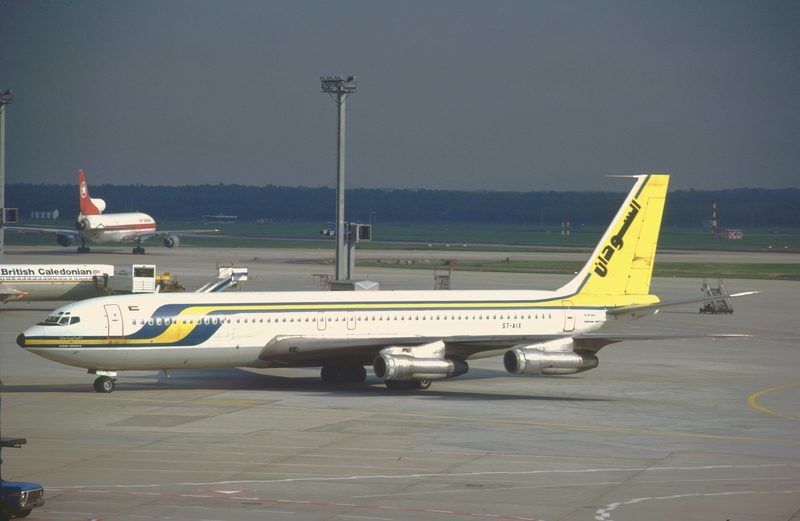
Sudan Airways (SD), known locally as SudanAir, has resumed limited flying after a six-month-plus hiatus—a restart made possible by the return of its only operational jet, an Airbus A320, to Port Sudan New International Airport (PZU) following heavy maintenance in India.

The carrier had suspended operations in July 2025 when the aircraft went out of service for scheduled maintenance and efficiency work. With that A320 now back on the ramp at PZU, SudanAir is once again able to publish a timetable and sell seats—though the restart is inherently fragile because it is effectively a single-aircraft airline in a country still dealing with severe disruption from the ongoing conflict.
The aircraft at the center: Airbus A320 economics, capability, and constraints
The Airbus A320 remains one of the global workhorses of short-to-medium haul flying—typically seating 150–180 passengers depending on cabin layout, with the range to cover regional sectors comfortably. For a carrier rebuilding basic international connectivity, the A320 is a practical tool: right-sized capacity, relatively straightforward dispatch compared with aging widebodies, and a huge global support ecosystem.
But running a network on one aircraft means everything becomes a tightrope:
-
No operational spare: a technical issue instantly becomes a cancellation cascade
-
Maintenance planning is unforgiving: even routine checks can shrink the schedule
-
Crew and parts resilience matters more than ever: reliability is as much supply chain as it is engineering

In other words, the A320 is capable—but the single-aircraft dependency is the real story.
What’s returning first from Port Sudan (PZU)
SudanAir’s restart is built around a small set of high-utility regional routes—markets that can support consistent demand, simple operational planning, and strong national connectivity value.

Based on filed and publicly visible scheduling, the carrier’s near-term flying centers on:
-
Port Sudan (PZU) – Cairo (CAI): daily service
-
Port Sudan (PZU) – Jeddah (JED): multiple weekly frequencies
-
Port Sudan (PZU) – Riyadh (RUH): multiple weekly frequencies, with adjustments later in the season

These choices make sense operationally. CAI is a reliable regional hub and a key diplomatic/commercial gateway. JED and RUH are high-demand corridors tied to labor traffic, family travel, and religious travel flows—especially relevant as seasonal peaks approach.
Why Port Sudan (PZU) matters now more than Khartoum (KRT)
Before the conflict reshaped Sudan’s aviation landscape, the natural center of gravity for the national carrier was Khartoum International Airport (KRT). But the war has devastated infrastructure and disrupted normal aviation operations, turning Port Sudan (PZU) into the country’s primary functional gateway for sustained commercial flying.
For SudanAir, operating from PZU is not just a tactical workaround—it changes network logic. PZU-based flying naturally prioritizes Red Sea access and the most dependable international links, rather than the classic hub-and-spoke pattern that would typically radiate from KRT.
The hurdles don’t disappear with one maintenance return
SudanAir’s resumption is meaningful, but it comes with structural headwinds that airline professionals will recognize immediately:
Fleet depth and reliability
A one-jet operation cannot absorb unscheduled events. Any AOG episode will be felt immediately by passengers, regulators, and commercial partners.
Financial and administrative pressure
Restarting after a prolonged grounding is expensive: supplier reactivation, overdue obligations, staffing normalization, and restoring public confidence all compete for limited resources.
Operational credibility
After a hiatus, an airline must prove day-to-day execution: on-time performance, disruption handling, and consistent customer service. That’s difficult even with a fleet—let alone with one aircraft.
The EU airspace ban: a ceiling on near-term international ambitions
SudanAir also remains banned from operating in European Union airspace, a major constraint that effectively removes Europe from the realistic near-term route map and limits competitiveness for long-haul partnerships that depend on clean regulatory access.
Even if SudanAir is not currently trying to fly to Europe, an EU ban still carries downstream implications: it can affect perceptions among lessors, insurers, codeshare partners, and international vendors. For a carrier trying to rebuild legitimacy, regulatory standing matters almost as much as aircraft availability.
Bottom Line
SudanAir’s return to flying from Port Sudan (PZU) is a significant operational milestone—but it is also one of the most delicate restarts in commercial aviation: an airline rebuilding its timetable around a single Airbus A320 after a six-month grounding, in the middle of an ongoing national conflict that has heavily disrupted aviation infrastructure, including Khartoum (KRT).
The immediate network—PZU–CAI, PZU–JED, and PZU–RUH—is a pragmatic first step. The real test now is durability: keeping one aircraft reliably dispatched, protecting the schedule from maintenance shocks, and regaining trust in a market where reliability will determine whether this restart becomes a recovery—or just a brief return.