Delta’s New Los Angeles-Melbourne A350 Marathon Takes Off
Delta Launches First-Ever Melbourne Route From Los Angeles
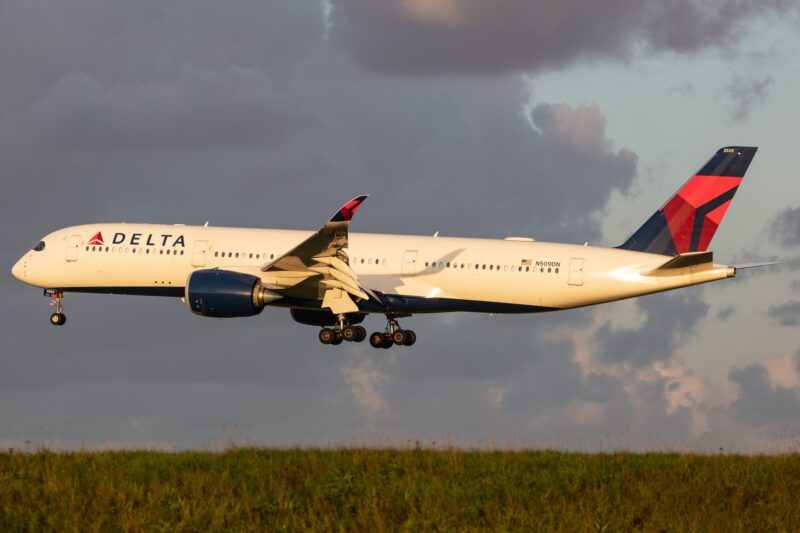
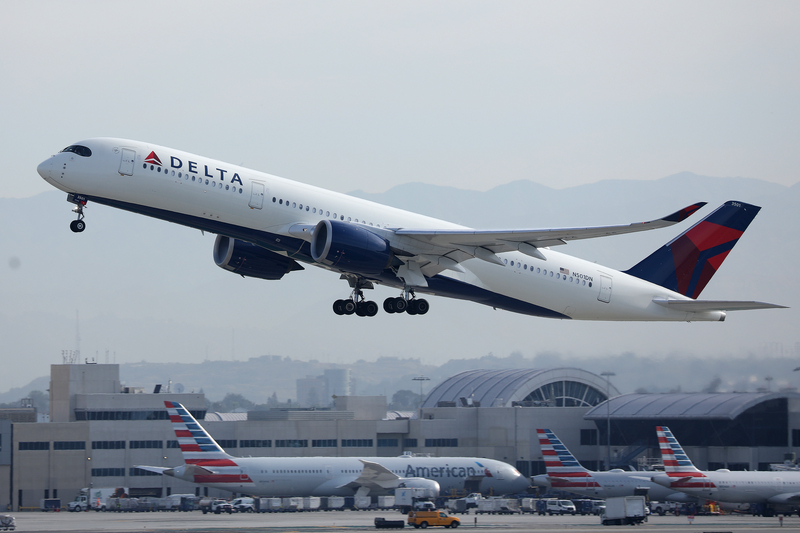
Delta Air Lines has inaugurated nonstop flights between Los Angeles International Airport (LAX) and Melbourne Airport (MEL), adding a second Australian destination from the US West Coast and bringing a third competitor onto the city pair for the first time since 2020.

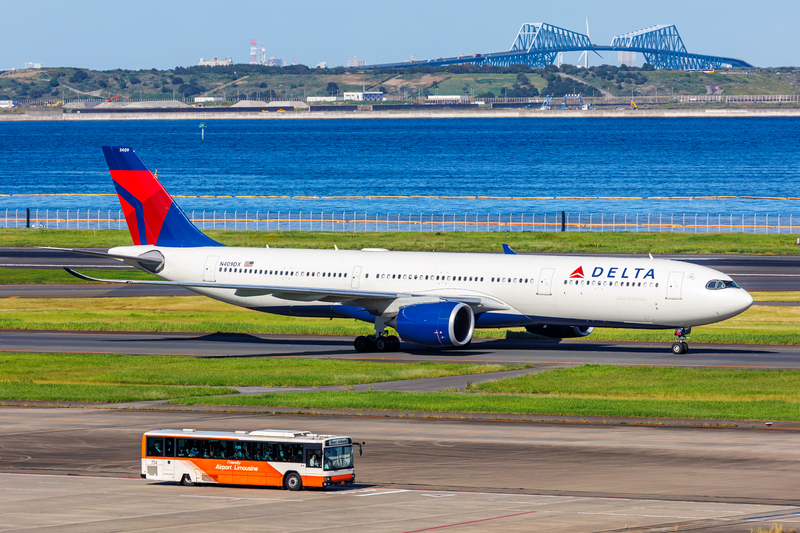
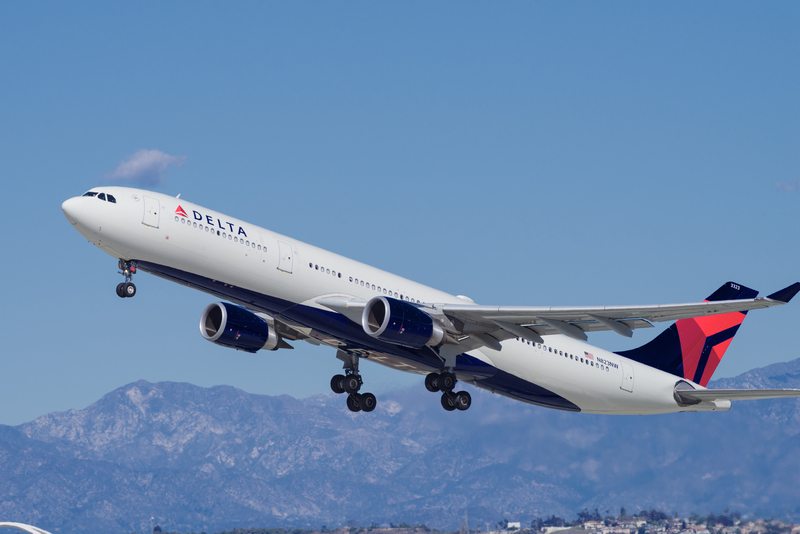
The new route, which launched on December 3, marks Delta’s first-ever service to the Australian state of Victoria. Flights operate three times per week year-round and are operated by the airline’s high-premium 275-seat Airbus A350-900. The aircraft is configured with:
-
40 Delta One suites
Read our stories in your inbox
Two aviation newsletters. Zero fluff.
-
40 Premium Select seats
-
36 Comfort+ seats
-
159 standard economy seats
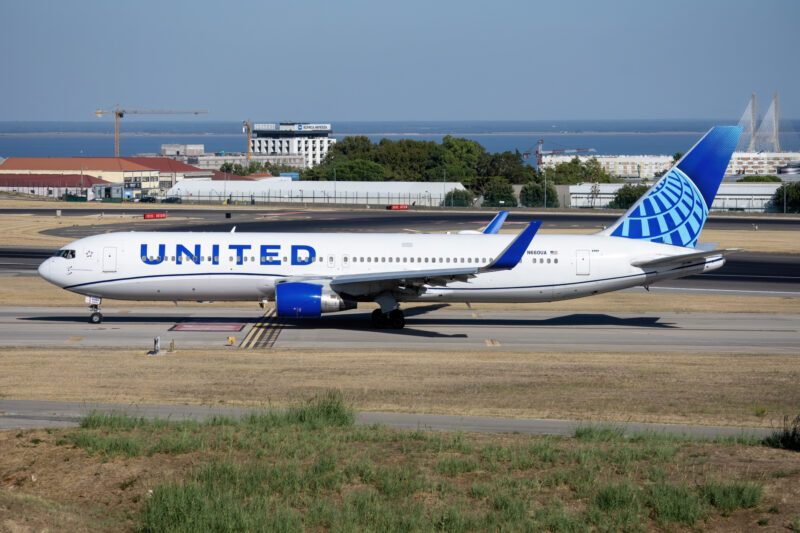
Delta now competes head-to-head with Qantas (A380/787-9, daily) and United Airlines (787-9, daily) on the route, giving passengers three choices on this important long-haul market.
Depending on the week, the LAX–MEL sector has a maximum block time of around 15h55 to 16h05, making it one of Delta’s longest flights. The return MEL–LAX leg is scheduled at around 14h50. Despite the lengthy flight time, it still falls short of the very longest nonstop services linking Australia and North America.
Strengthening Delta’s Australian Network
With Melbourne now online, Delta serves three Australian cities, all from Los Angeles and all with the Airbus A350-900:
-
Los Angeles – Sydney (daily to 11x weekly)
-
Los Angeles – Brisbane (3x weekly)
-
Los Angeles – Melbourne (3x weekly)
Altogether, that gives Delta up to 17 weekly departures from the US to Australia. The Brisbane route only launched in December 2024, so Delta’s Australian presence is now larger than at any point in its history.
Looking at mid-January schedules, Delta’s Australia-bound departures are up 21% year-on-year and a huge 143% versus 2019, reflecting both the recovery of long-haul demand and the carrier’s confidence in premium-heavy transpacific flying.
On the broader US–Australia market, Delta now accounts for about 14% of nonstop departures. The remaining shares are roughly:
-
United Airlines – 40%
-
Qantas – 31%
-
American Airlines – 11%
-
Alaska/Hawaiian – 4%
A Busy Year For US–Australia Routes
Delta’s entry onto Los Angeles–Melbourne is part of a wider transpacific growth story in 2025, with several new or relaunched links between North America and Australia:
-
Qantas launched Melbourne – Honolulu in May, replacing long-standing Jetstar service on the route (Qantas plans to end the Melbourne flights at the end of January).
-
On December 5, American Airlines starts Los Angeles – Brisbane, operating 3x weekly with the Boeing 787-9. Because of this, joint venture partner Qantas has cut its own LAX–BNE service from daily to 4x weekly, meaning the city pair will now see three carriers for the first time.
-
On December 11, United Airlines launches San Francisco – Adelaide, also 3x weekly with a 787-9. Backed by significant local incentives, this will be the first-ever nonstop service between South Australia and North America, and makes Adelaide United’s fourth Australian destination alongside Brisbane, Melbourne, and Sydney.
At the same time, Jetstar has now exited the Australia–US market entirely, while the remaining carriers have grown their schedules, betting on sustained demand from both premium and leisure travelers across the Pacific.
With Delta’s latest ultra-long A350 flights now linking Los Angeles and Melbourne, travelers gain more choice, more premium capacity, and another strong SkyTeam option on one of the most important transpacific corridors.
Bottom Line
Delta’s new Los Angeles–Melbourne route is a big strategic win for the airline and for travelers. It gives Delta its third Australian destination, all served with the premium-heavy Airbus A350-900, and brings three-way competition to a key transpacific market alongside Qantas and United.
For passengers, that means more nonstop options, better schedules, and increased premium capacity between the US West Coast and Australia. For Delta, it cements Los Angeles as its gateway to Australia, grows its share of the US–Australia market to around 14%, and continues the trend of strong, long-haul growth across the Pacific.
Keep reading FlyMag
Get the Daily Brief in the morning or the Route Watch weekly recap on Fridays. Or both.