British Airways Targets Bigger India Footprint In 2026
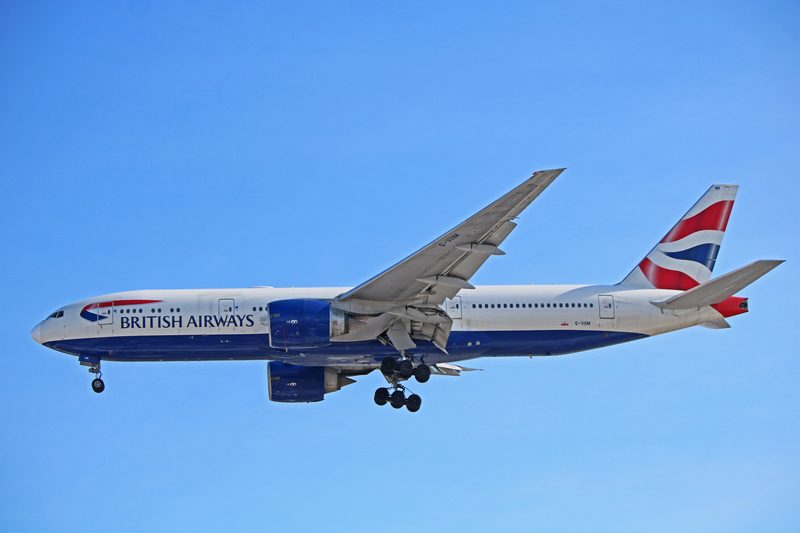
British Airways is signaling another growth phase in India, with senior leadership calling the country an “incredible” market and hinting at more flying between London and key Indian cities from 2026.
British Airways’ Current India Network
Right now, BA operates 56 weekly flights between London Heathrow and five Indian gateways:
-
Delhi (DEL) – 2x daily
-
Mumbai (BOM) – 3x daily
-
Bengaluru (BLR) – 1x daily
-
Chennai (MAA) – 1x daily
-
Hyderabad (HYD) – 1x daily
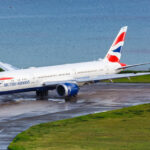
This makes India British Airways’ second-largest international market after the United States, supported by dedicated local crew bases and a 2,000-strong call center workforce in the country.
There are also reports that a third daily Heathrow–Delhi frequency is under consideration for 2026, subject to regulatory approvals.
What Expansion Could Look Like
While nothing has been officially announced, BA’s comments suggest:
-
More frequencies on existing routes, especially Delhi and Mumbai, where demand is strongest
-
Potential upgauging to larger widebodies on key flights where slots are constrained
-
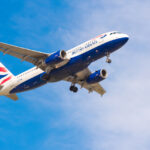
Continued use of a mix of Airbus A350-1000s, Boeing 777s, and Boeing 787s on India services
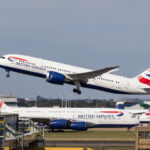
BA has not indicated new Indian cities yet, but with other carriers pushing into markets like Ahmedabad, Amritsar, and Goa, those kinds of destinations will be closely watched.
Why India Is So Important For BA
Several demand drivers make India a high-priority market:
-
Strong VFR traffic – a large Indian diaspora in the UK fuels year-round demand
-
Tourism and education – high volumes of leisure travelers and students in both directions
-
Business and trade – growing economic ties, supported by a developing UK–India free trade agreement
On the competitive front, BA faces non-stop rivals including:
-
Air India – to Heathrow, Gatwick, and Birmingham
-
Virgin Atlantic – non-stop India–Heathrow services
-
IndiGo – non-stops to Manchester
Beyond that, Gulf and European carriers such as Emirates, Qatar Airways, Turkish Airlines, and Lufthansa offer dense one-stop options. Any BA growth will have to be calibrated against this intense competition while leveraging oneworld and interline partners (notably IndiGo) for domestic connections within India.
101 Years Of UK–India Flying
British Airways’ India story goes back over a century:
-
The first London–Delhi service operated in 1924 under Imperial Airways, taking around 14 days with multiple stops.
-
In 2024, BA marked 101 years of UK–India connectivity with celebrations at the British High Commission residence in New Delhi, showcasing historical photos, uniforms, and memorabilia.
-
To mark the centenary, BA also rolled out special Indian menus and film selections on routes between India, the UK, and North America in October and November.
Today, flights that once took two weeks are down to around nine hours non-stop, and BA operates more non-stop services to India than any other European carrier.
Onboard Experience & Ground Product
BA’s India flights are operated by a mix of:
-
Airbus A350-1000
-
Boeing 777
-
Boeing 787 Dreamliner
These aircraft offer:
-
Club World / Club Suite business class (with direct aisle access on refitted aircraft)
-
World Traveller Plus premium economy on most long-haul frames
-
World Traveller economy cabins
While BA has a strong lounge footprint at Heathrow, it does not operate its own lounges in India. Instead, premium customers and oneworld elites are hosted at partner facilities such as:
-
Delhi – Encalm Prive Lounge
-
Mumbai – Adani Lounge
-
Bengaluru – 080 BLR International Lounge
-
Chennai – Travel Club Lounge
-
Hyderabad – Encalm Lounge
Bottom Line
British Airways already treats India as its second-largest long-haul market, and all signs point to more capacity in 2026, most likely via extra frequencies and strategic upgauging on key routes like Delhi and Mumbai.
With a century of flying history, strong VFR and business demand, and deep competition from both Indian and Gulf carriers, BA’s challenge isn’t just to add flights — it’s to grow smartly while maintaining a premium, reliable product on one of its most strategically important corridors.