Preparations: planning around a moving target
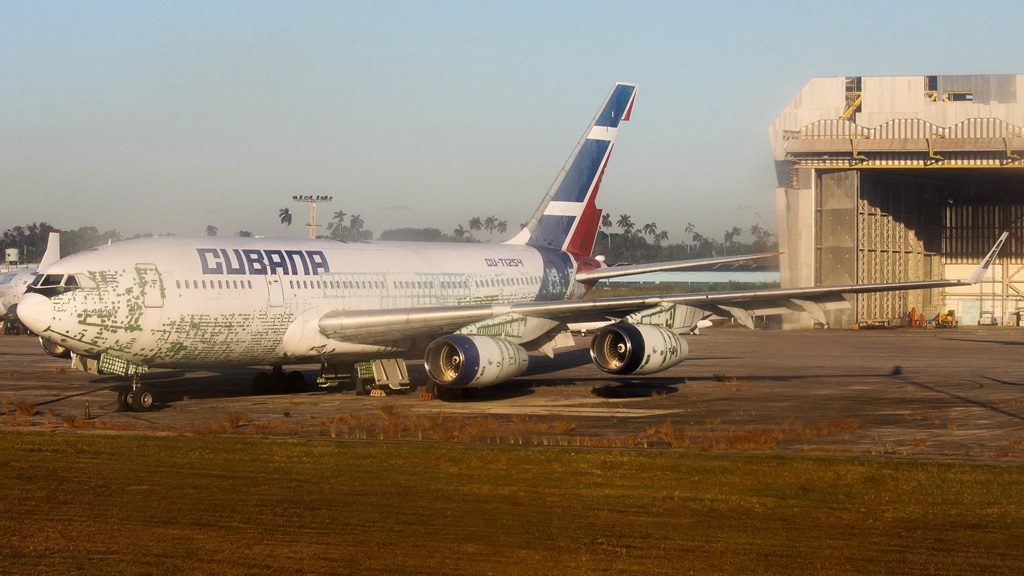
I first visited Cuba in 2021 and, like many aviation enthusiasts, I immediately tried to figure out whether Cubana had any flights operating with their Ilyushin Il-96 or Tupolev Tu-204. At the time, both types were still under maintenance.

Fast-forward to 2024, and both aircraft types finally returned to service. I already had a tour booked to Venezuela, so I decided the best possible way to get there would be aboard one of Cubana’s classic widebodies—ideally the Il-96.
Cubana’s website usually displays the aircraft type during the booking process, and every Havana–Caracas option showed Il-96. The problem: the published schedule was anything but reliable.
Read our stories in your inbox
Two aviation newsletters. Zero fluff.
At first, the route operated on Thursdays and Sundays, then later shifted to Tuesdays and Saturdays—and that second pattern was perfect for me, because my tour departure was on a Sunday, meaning a Saturday arrival would fit neatly.
To judge whether my chosen flight had any chance of actually operating, I tracked the Il-96 on Flightradar24. It wasn’t reassuring. Flights were often delayed—sometimes by days—and one weekly departure even switched destination from Caracas to Porlamar. In the end, I decided to book the Saturday flight anyway and simply hope it would operate without major disruption.

The ticket was surprisingly affordable: around USD 200, including luggage and a seat reservation. Still, the constant uncertainty was stressful. I didn’t want to miss my Angel Falls tour.
As I kept watching the operation, the Tu-204 went AOG again, removing that as a backup option. I was traveling around Colombia beforehand, so I then had to position into Havana in time for the Cubana flight to Caracas. I arranged my Cuban electronic visa and booked accommodation near the airport. The only flight that worked was Wingo from Bogotá to Havana, the day before the Cubana departure.
Because of ongoing issues in Cuba, fewer tourists were visiting and flights were reduced. Even getting to Havana proved harder than expected: Wingo’s website payment wouldn’t go through—not even when friends in Medellín tried using a local credit card. Once I arrived in Bogotá, I bought the ticket at the Wingo office…without realizing what the day was about to throw at me.
Bogotá: a day that changed everything
I had never visited Bogotá, so I used the rest of the day to explore. I took a taxi from the airport to the Monserrate Sanctuary. Afterwards, I asked local police whether it was safe to walk down to La Candelaria, which was nearby. They said yes.
About 300 meters from the Monserrate cable car, four men emerged from behind closed stalls. They pushed me to the ground, cut my backpack off, and ran. Locals on the street helped me chase them—and I managed to recover my belongings. But one of the robbers reacted angrily when I got the backpack back, pulled a knife, and stabbed me in the shoulder.
At first, I didn’t even realize I’d been stabbed. Full of adrenaline, I started walking away. People stopped me and pointed out what had happened. The police took me to the hospital, where the wound was stitched. The doctor said I was able to fly—but I would have to cancel my Angel Falls tour.
After spending the rest of the day in the hospital, I took an Uber back to the airport for my early morning flight to Havana. I could barely move my arm, but the pain was manageable. And then, during landing in Havana, I saw it: the Il-96 taxiing out for a departure to Caracas.
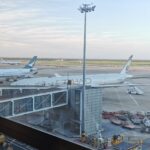
I’d seen several Il-96s fly before, but never Cubana’s.
Immigration in Cuba was smooth. I double-checked my departure time with Cubana for the next morning and walked to my guesthouse near the airport. By then, power shortages had reached Havana. On my previous trip there had been no outages in the capital, but this time the situation was noticeably worse. I tried to rest and reset after an exhausting, surreal day.
The Il-96 flight: CU312 Havana–Caracas
I woke early and returned to the airport for my 8:00 a.m. departure on CU312. Check-in was straightforward—and interestingly, nobody asked for proof of onward travel from Caracas. (I had booked an onward ticket the night before just to be safe.)
I had preselected seat 11I, on the right side in the first row of economy. It was a bright, sunny morning.
Immigration and security took a while. After that I stopped at the restroom—and then heard my name being called. Despite confirming the departure time the day before, Cubana had moved the departure 30 minutes earlier. I ended up being the last passenger to board.
Only then did it really hit me: I was about to fly on what I understood to be the last Il-96 still operating in passenger service.
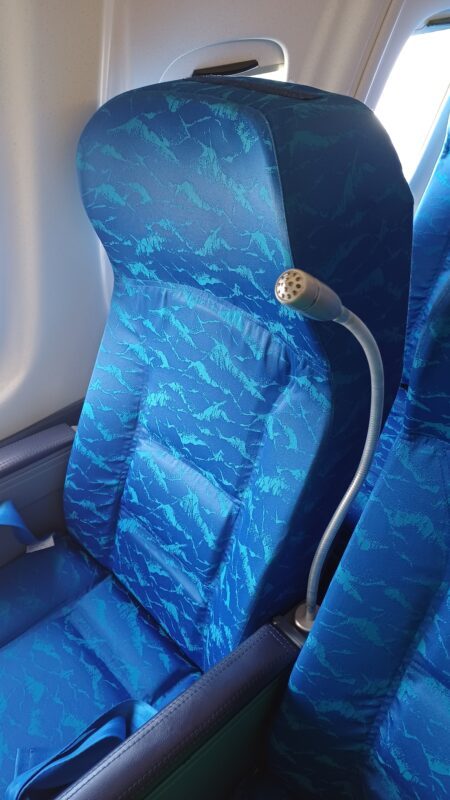
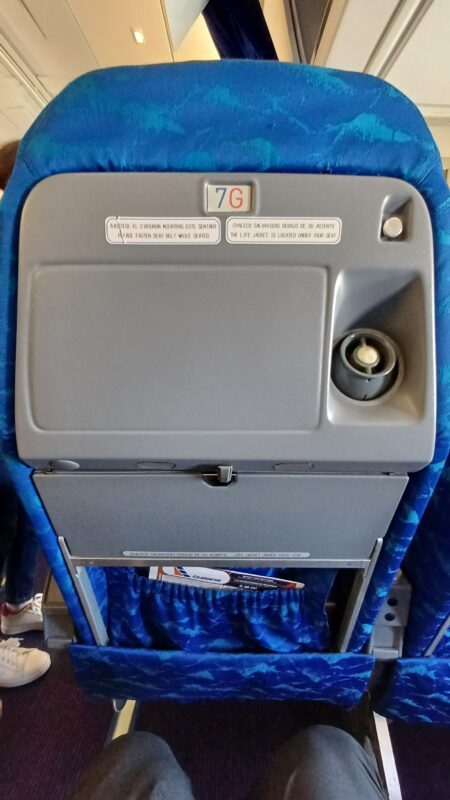
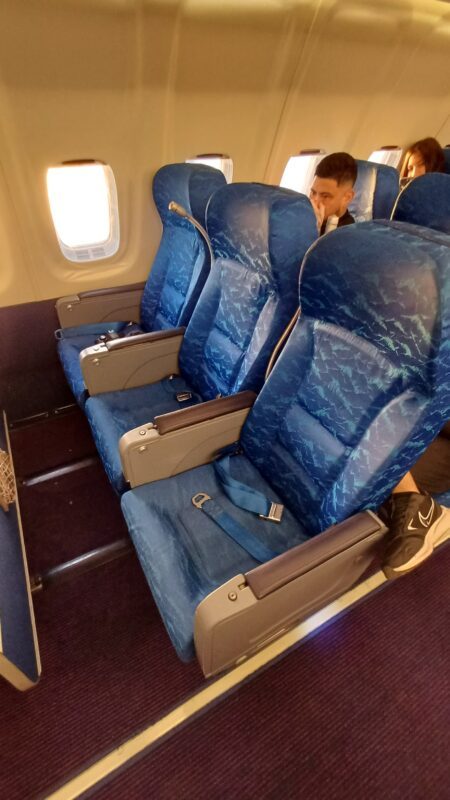
Cabin and boarding impressions
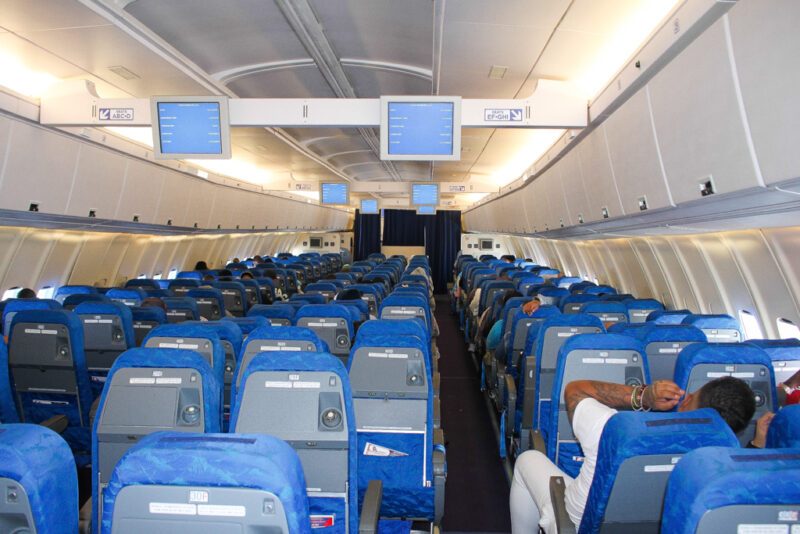
The flight was busier than I expected, with most passengers appearing to be Cuban or Venezuelan. Business class was almost empty. In economy, I lucked out and had three seats to myself.
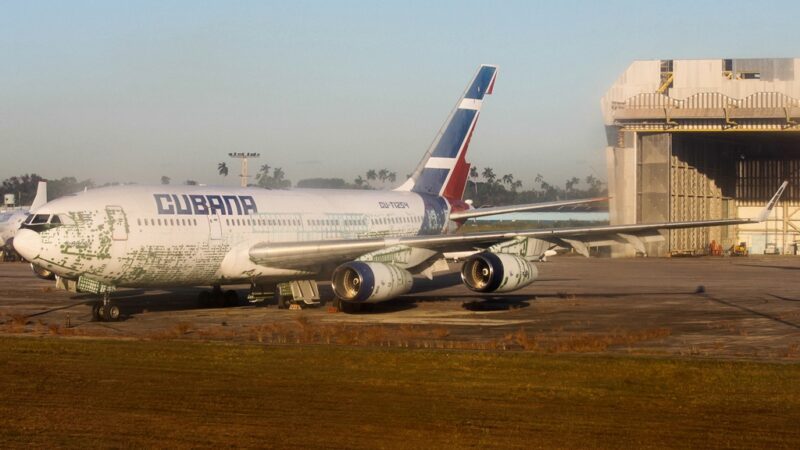
Pushback came quickly, and we taxied to the runway with windows still wet from the morning dew. From my seat I could see the ramp with parked aircraft—including other Il-96s, Tu-204s, and An-148s.
Takeoff and in-flight experience
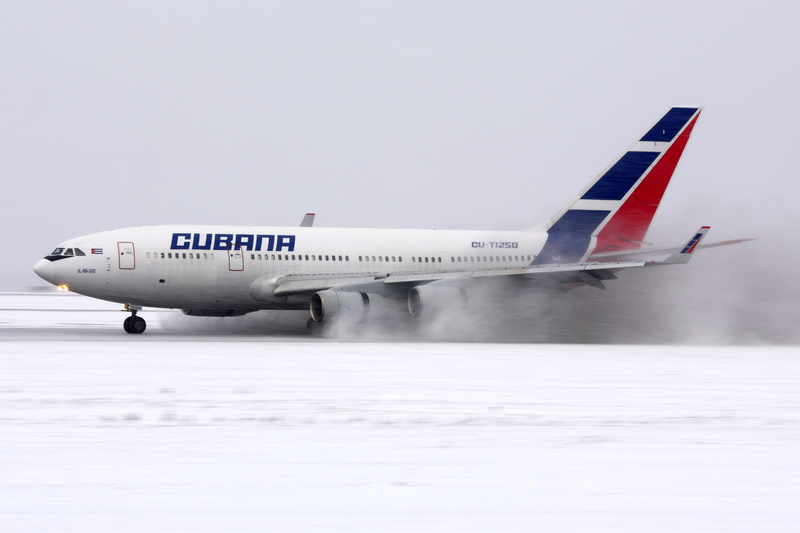
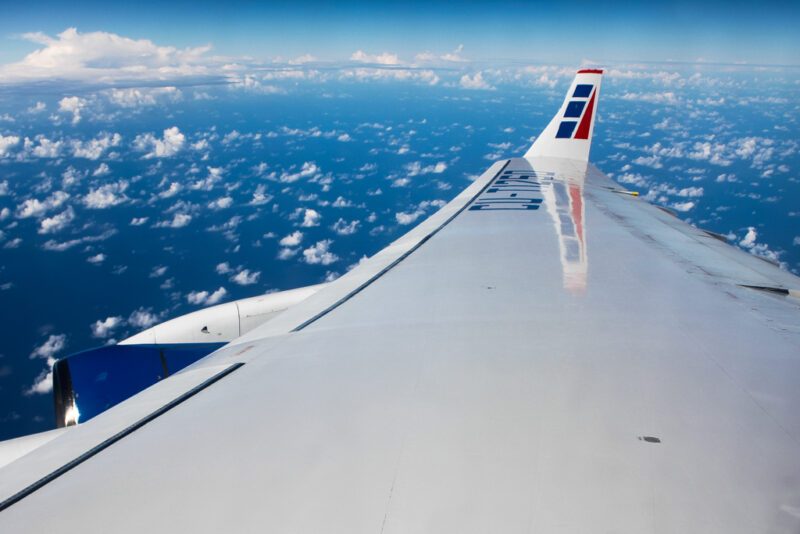
On takeoff, the first surprise was how quiet the Il-96 felt. Once airborne, it was incredibly stable—so stable that even turbulence didn’t seem to disturb it. If “Ilyushin” weren’t written on the fuselage, I suspect many passengers wouldn’t notice they weren’t on an Airbus or Boeing.
Looking closer, the differences were there. The seat design was distinctive: light came from the seat structure, and there were fresh air vents built into the seat in front. I was seated roughly over the middle of the wing. Up front, the aircraft has a special VIP cabin, which also means there is no possibility of a cockpit visit.
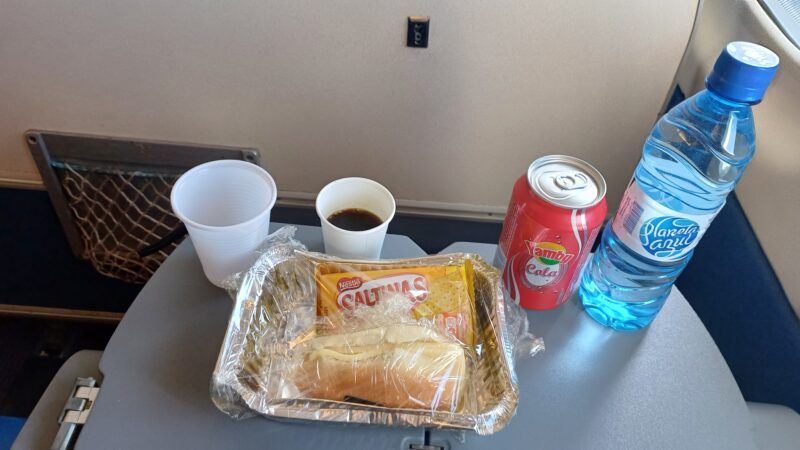
Catering and small “Soviet” details
Service included a sandwich, crackers, a Cuban cola, a bottle of water, and tea or coffee. There was no entertainment, so I took a walk to the lavatory—where I found a detail that made me smile: a wooden toilet seat, the kind I associate with older Soviet-built aircraft. The last time I saw one was on an Alrosa Tu-134 in 2017.
A memorable conversation with the crew
I began chatting with one of the flight attendants. She spoke basic English, and with my basic Spanish we managed just fine. Much of the crew seemed to be in their final years before retirement, with long experience on the Il-96.
She told me she had once flown on Il-62s to Berlin before the wall came down, and later those trips shifted to Frankfurt. She even remembered the names of the hotels they used to stay at during layovers—and spoke about that era with real warmth. It felt like talking to a living piece of aviation history.
Later, she offered me more coffee and tea and even sat next to me. I told her what had happened to me in Bogotá, and we talked for much of the remainder of the flight. The aircraft stayed impressively steady in the air the entire time—another reminder of how capable many Soviet designs are aerodynamically.
Arrival in Caracas, and the feeling of “how did this even happen?”
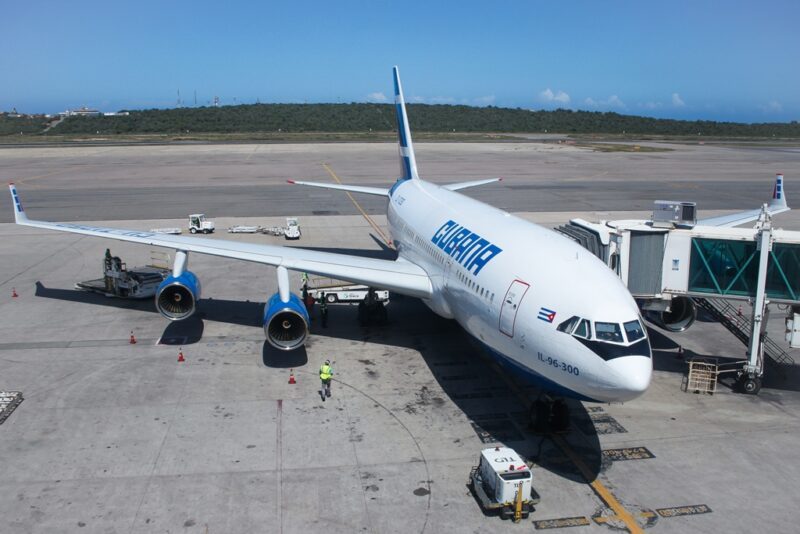
After landing, I got an excellent view of the Il-96 at the gate. Immigration in Caracas took a long time but was straightforward. And unlike Bogotá, I had no further safety concerns in Venezuela.
A couple of days later, when I flew out of Venezuela, the Il-96 arrived in Caracas again. It would be one of its last flights before becoming AOG again.
Considering everything—the shifting schedules, the uncertainty, the Tu-204 going AOG, and especially the attack in Bogotá—I couldn’t believe how it all worked out. There were multiple points where I assumed I wouldn’t fly at all, let alone end up on the Il-96. I’d been determined to take the chance, and somehow, against the odds, it happened.
Where things stand now
Today, the Il-96 is back in the air, but usually in government service. The Caracas route is mostly operated by Turpial Airlines Boeing 737s, while Panama City has been cancelled entirely.
In 2024 there were even moments when an enthusiast could book something truly special: Tu-204 PTY–HAV, connect in Havana, and continue on the Il-96 to CCS on one ticket—an aviation fan’s dream itinerary.
Cubana currently uses Plus Ultra subcharters for Europe, and domestic flying is handled by one ATR. Realistically, the Il-96 is very unlikely to return to Europe on scheduled international service—but there’s still a small chance it could occasionally appear on Caracas again.
Keep reading FlyMag
Get the Daily Brief in the morning or the Route Watch weekly recap on Fridays. Or both.