Frontier’s A321neo Sale Is Less About Shrinking and More About Fleet Discipline
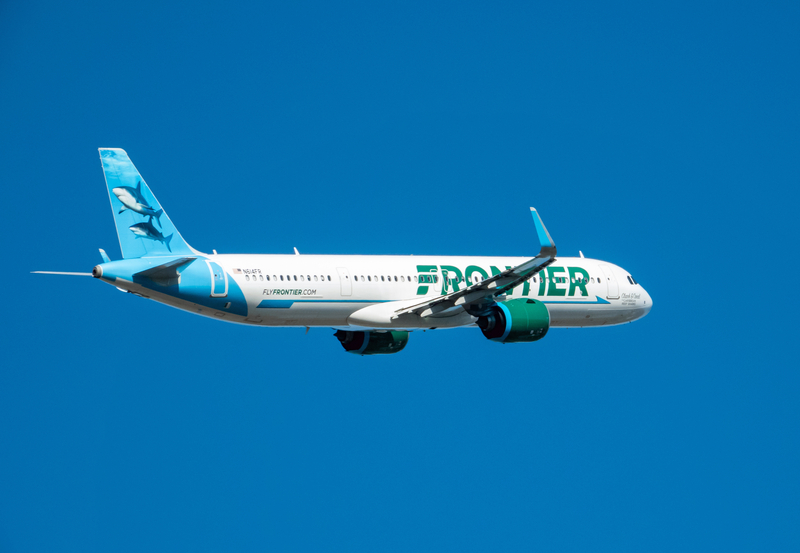
Frontier Airlines is trimming part of its future aircraft pipeline, agreeing to sell 11 Airbus A321neo delivery positions to Dublin-based aircraft lessor Avolon. The transaction does not remove aircraft from Frontier’s active fleet, but it does reduce the number of jets the ultra-low-cost carrier is scheduled to receive directly from Airbus over the next year.

The deal covers 11 A321neo aircraft originally sitting in Frontier’s Airbus orderbook. According to reporting based on a Bohai Leasing filing, Avolon’s parent company approved the transaction on July 2, 2026, with the aircraft expected to be delivered progressively between November 2026 and June 2027.
That timing matters. These are near-term delivery positions, and in today’s aircraft market, near-term A321neo slots are extremely valuable. Airlines and lessors are still dealing with long production backlogs, supply-chain friction, engine availability constraints, and a shortage of new-generation narrowbodies. For Avolon, acquiring aircraft that are already in the Airbus delivery stream is a highly attractive move. For Frontier, the sale gives the airline more flexibility as it continues to recalibrate growth.
This Is Not a Current Fleet Cut
The headline may sound dramatic, but the nuance is important: Frontier is not selling 11 aircraft it already flies.
The 11 A321neos are undelivered aircraft from Frontier’s orderbook. That means the transaction does not immediately reduce scheduled flying, remove aircraft from the operation, or create a sudden capacity hole at Denver International Airport (DEN), Orlando International Airport (MCO), Las Vegas Harry Reid International Airport (LAS), or any of Frontier’s other major operating airports.
Instead, this is a future-fleet adjustment. Frontier is giving up delivery positions that would have added capacity later. That makes the transaction more about capital planning, balance-sheet discipline, and aircraft timing than about near-term route reductions.
For an airline that has spent the past year slowing growth, cutting less productive flying, and restructuring parts of its fleet plan, that distinction is critical.
Why Avolon Wants These Aircraft
Avolon’s interest is easy to understand. The A321neo is one of the most in-demand aircraft in commercial aviation.
The aircraft sits at the high-capacity end of the A320neo family. Airbus lists the A321neo with typical two-class seating of 180 to 220 passengers, up to 244 seats in high-density layouts, and range of up to 4,000 nautical miles. It also delivers about 20% lower fuel burn and CO2 emissions per seat compared with previous-generation aircraft.

That combination makes the A321neo unusually flexible. It can serve dense domestic routes, transcontinental U.S. markets, short-haul international sectors, leisure routes to Mexico and the Caribbean, and longer thin markets that previously required a larger aircraft.
Avolon already has a major new-technology aircraft strategy. The lessor says it had 1,117 aircraft as of June 30, 2026, with 70% classified as new-technology aircraft. It also placed a major Airbus order in 2025 for 75 A321neos and 15 A330neos, increasing its Airbus commitments to 413 aircraft.
Adding 11 more near-term A321neo positions gives Avolon exactly what leasing companies want right now: scarce, modern, fuel-efficient narrowbody aircraft that can be placed with airlines facing long manufacturer wait times.
Why Frontier May Be Willing to Let Them Go
For Frontier, the transaction fits a broader shift toward more measured growth.
The airline built its business model around high-density Airbus narrowbodies, low base fares, ancillary revenue, and very low unit costs. Frontier’s investor materials describe the company as the largest ultra-low-cost carrier in the United States, with an all-Airbus A320neo-family fleet and weight-saving initiatives that support one of the most fuel-efficient operations among major U.S. carriers.
The A321neo is central to that model. Frontier’s version seats 240 passengers in an all-economy configuration, allowing the airline to spread trip costs across a very large number of seats. That is exactly the type of aircraft an ultra-low-cost carrier wants when demand is strong and fares are sufficient.
But high capacity cuts both ways. A 240-seat aircraft is excellent when the airline can fill it at acceptable fares. It becomes more challenging when demand softens, pricing is weak, or the network does not support that much capacity on a given day.
That is why Frontier’s recent fleet actions should be viewed together. In February 2026, Frontier reached an agreement to terminate leases early on 24 aircraft and defer 69 Airbus A320neo-family aircraft that had been scheduled for delivery between 2027 and 2030. The new A321neo transaction with Avolon continues that same theme: manage capacity more carefully, preserve financial flexibility, and avoid taking aircraft faster than the network can profitably absorb.
The A321neo Remains Essential to Frontier
This transaction should not be mistaken for a loss of faith in the A321neo.
Frontier has been one of the strongest U.S. supporters of the type. When the airline introduced its first A321neo at Tampa International Airport (TPA) in 2022, it emphasized the aircraft’s 240-seat layout, Pratt & Whitney GTF engines, lower emissions, lower noise, and high fuel efficiency. The airline also said the A321neo would help support its low-cost structure and environmental positioning.
That logic has not changed. The A321neo is still an ideal Frontier aircraft on the right routes. It gives the carrier large-gauge narrowbody capacity without moving into widebody complexity. It supports dense leisure markets, high-volume domestic routes, and longer sectors where the older A320 family would be less efficient.
The issue is not aircraft quality. It is timing and quantity.
Frontier can still want more A321neos over time while deciding that 11 near-term deliveries are not needed on its original schedule. That is normal fleet management, especially in an industry where aircraft commitments are made years before airlines know what fuel prices, demand, fares, labor costs, and competitive conditions will look like.
The Leasing Market Is Driving the Deal
The transaction also reflects the current strength of the aircraft leasing market.
Airlines want new-generation aircraft, but manufacturer backlogs are long. Airbus continues to work through high demand for the A320neo family, and the A321neo is especially difficult to secure quickly because it is the most capable and highest-capacity member of the family.
That creates an opportunity for lessors. Avolon can acquire these delivery positions, take the aircraft from Airbus, and place them with airline customers that need capacity but cannot wait years for direct manufacturer slots.
For Frontier, transferring delivery positions can reduce future capital pressure while potentially monetizing valuable aircraft rights. For Avolon, the same aircraft become portfolio assets that can generate lease income in a market where modern narrowbodies remain tight.
This is why aircraft orderbooks are no longer just internal airline planning documents. They are financial assets.
Frontier’s Bigger Challenge Is Matching Growth to Profitability
Frontier’s strategic challenge is not whether it can grow. It is whether it can grow profitably.
The airline has a very efficient aircraft platform, a large network, and a cost structure built for low fares. But the U.S. domestic market has become more complicated for ultra-low-cost carriers. Demand for basic economy leisure flying has been uneven, costs have risen, and larger legacy carriers have become more aggressive with entry-level fares while also offering stronger premium and loyalty products.
Frontier has responded by reworking its model. It has introduced more product segmentation, including first-class-style seating plans, pushed loyalty revenue, adjusted network priorities, and slowed parts of its fleet growth. Selling 11 A321neo delivery positions fits that broader reset.
An airline can have too many aircraft if those aircraft arrive before the revenue environment is ready. By reducing near-term growth exposure, Frontier gives itself more control over capacity, cash, and network deployment.
A Smaller Future Pipeline, Not a Smaller Airline Overnight
The most accurate way to describe the deal is this: Frontier is reducing a portion of its future delivery pipeline, not immediately shrinking its active operation.
Passengers will not wake up to find 11 Frontier aircraft gone from the system. The jets were not yet flying. But over time, fewer aircraft deliveries can affect how quickly Frontier adds routes, grows frequencies, or expands at airports such as Denver (DEN), Orlando (MCO), Las Vegas (LAS), Hartsfield-Jackson Atlanta International Airport (ATL), Dallas Fort Worth International Airport (DFW), and Phoenix Sky Harbor International Airport (PHX).
That is where the decision will eventually be felt: not as an immediate cut, but as a slower capacity build.
For an ultra-low-cost carrier, that may be the right tradeoff. A disciplined Frontier with fewer unprofitable seats is healthier than a larger Frontier chasing growth for its own sake.
Bottom Line
Frontier Airlines’ agreement to sell 11 Airbus A321neo delivery positions to Avolon is not a sudden retreat from the A321neo and not an immediate reduction in the airline’s active fleet. It is a targeted adjustment to Frontier’s future aircraft pipeline.
The A321neo remains one of the most important aircraft in Frontier’s model, with 240 seats, strong fuel efficiency, and the capacity profile needed for ultra-low-cost flying. But Frontier has been moving away from aggressive aircraft intake and toward more disciplined growth, especially after earlier moves to return leased aircraft early and defer future Airbus deliveries.
For Avolon, the deal secures scarce near-term A321neo aircraft in a tight leasing market. For Frontier, it creates more flexibility and lowers future delivery pressure. The aircraft may be leaving Frontier’s orderbook, but the bigger story is not shrinking for the sake of shrinking. It is a low-cost airline trying to better match aircraft growth with the realities of demand, fares, and profitability.