Lufthansa Fast-Tracks CityLine Exit as Fuel Shock Forces a Harder Fleet Reset
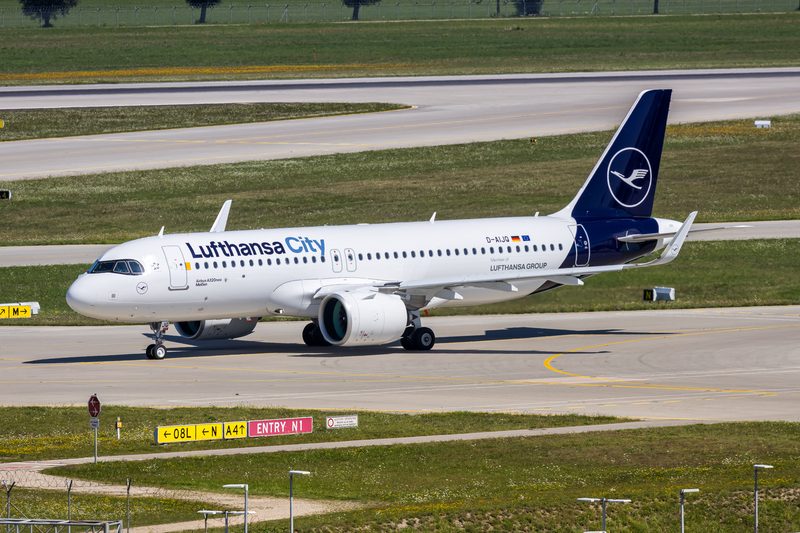
Lufthansa Group has turned what had been a gradual restructuring into a much sharper capacity cut, accelerating aircraft retirements, pulling CityLine out of the schedule, and trimming both long-haul and short-haul flying as fuel costs surge.

The most significant move is the one with the broadest operational meaning. Lufthansa CityLine, long part of the group’s regional feeder structure, is being taken out of the flight program far earlier than expected. At the same time, Lufthansa mainline will retire its remaining Airbus A340-600 fleet, ground part of its Boeing 747-400 operation for the coming winter, and remove five more short- and medium-haul aircraft from the schedule in winter 2026/27.
For airline professionals, this is not just a cost-cutting announcement. It is a fleet and brand reallocation decision. Lufthansa is not only shrinking. It is deciding which aircraft types and which operating platforms are still worth defending in a much more expensive fuel environment.
CityLine is the sharpest cut
The most immediate measure is the removal of Lufthansa CityLine’s 27 operational aircraft from the group’s flying program from April 18. That is a major change in the shape of Lufthansa’s regional operation.
CityLine had already been heading toward closure, but this move effectively pulls the timetable forward. For a group centered on Frankfurt Airport (FRA) and Munich Airport (MUC), that matters because CityLine was part of the short-haul feeder architecture that helped move passengers into the long-haul network. Removing that capacity in one step is not a minor adjustment. It is a clear signal that Lufthansa no longer sees value in carrying the cost of a weaker regional platform through a period of fuel and labor pressure.
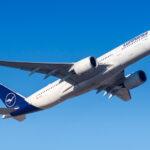
There is also an aircraft story underneath the brand story. Lufthansa specifically highlighted the Canadair regional fleet in explaining the decision, noting that the CRJ aircraft are nearing the end of their technical operating life and carry comparatively high costs. Historically, CityLine’s fleet has included Bombardier CRJ900 regional jets and Airbus A319 narrowbodies, but the group’s message is straightforward: this is a fleet it no longer wants to keep propping up.
The quadjets are next
The second part of the package is aimed at Lufthansa’s older long-haul fleet, and it is just as revealing.
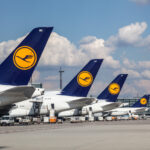
At the end of the summer schedule, Lufthansa will retire its last four Airbus A340-600s and ground two Boeing 747-400s for the winter season. The final retirement of the 747-400 is planned for next year, which means Lufthansa is now putting a much firmer end date on one of the most recognizable legacy aircraft types still flying in Europe.
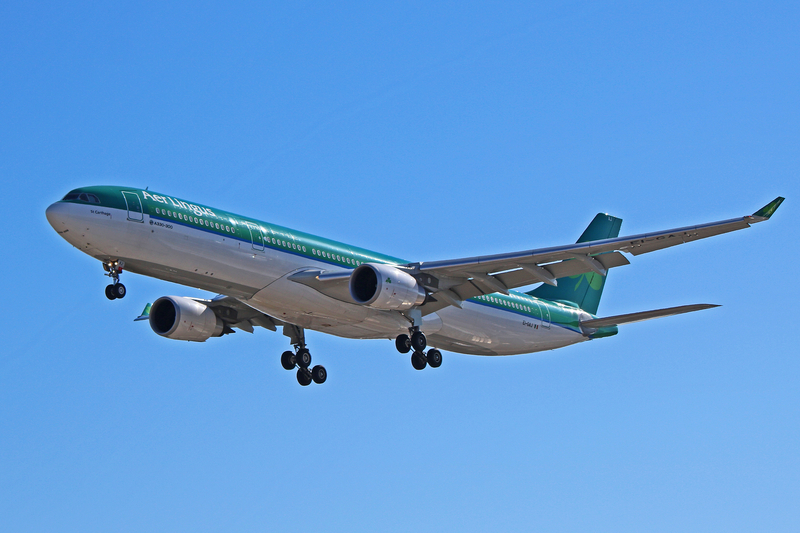
That is a meaningful fleet moment. The Airbus A340-600 is a four-engine, 297-seat long-haul aircraft with the kind of range and cabin footprint that once made it a powerful tool on premium intercontinental routes. The Boeing 747-400 remains a 371-seat flagship with enormous symbolic weight in the Lufthansa fleet. But symbolism does not help much when kerosene costs spike and older aircraft suddenly look even harder to justify against newer-generation twinjets.
This is the underlying logic of the decision. Lufthansa is not retiring aircraft simply because they are old. It is accelerating the exit of aircraft that become harder to defend when fuel is expensive, capacity discipline matters more, and fleet simplification becomes a financial lever rather than just a strategic preference.
Short-haul is being trimmed too
The cuts do not stop with CityLine or long-haul widebodies.
During winter 2026/27, Lufthansa will also remove the equivalent of five aircraft from its core short- and medium-haul program. The group has not yet identified the exact aircraft types affected, but the message is clear enough. Lufthansa is trying to reduce fuel exposure and focus its short-haul structure more tightly, rather than spreading capacity too broadly across the network.
That matters because it shows this is not a one-off response to one weak brand or one inefficient fleet pocket. Lufthansa is applying the same logic across the business: reduce the least competitive flying, remove older aircraft faster, and concentrate capacity where the economics are strongest.
This is also a group-shape story, not just a fleet story
One of the more interesting aspects of the announcement is that Lufthansa Group is not cutting everywhere equally.
While CityLine is being accelerated toward shutdown and older Lufthansa mainline aircraft are being removed, Discover Airlines is due to receive nine additional Airbus A350-900s. That is an important clue. Lufthansa is not simply shrinking in a panic. It is reallocating flying toward platforms and cost structures it sees as more competitive.
That gives the move a more strategic edge than the headline might suggest. CityLine’s role is being diminished. Mainline older types are being retired earlier. Discover, by contrast, is being reinforced. In practical terms, Lufthansa is reshaping where within the group it wants long-haul growth and where it no longer wants to absorb legacy cost.
Labor pressure has made the timing harsher
Fuel is clearly the biggest immediate driver, but it is not the only one.
Lufthansa has also linked the package to the added burden of labor disputes, and the timing is notable. The group has been battling renewed union unrest, including strike action involving pilots and CityLine operations. That does not mean labor issues alone caused the restructuring, but it does explain why management appears to have lost patience with a slower wind-down.
In other words, the fuel shock may have forced the decision, but the labor environment helped accelerate it.
Bottom Line
Lufthansa’s latest move is not just about grounding aircraft. It is about stripping out the parts of the operation that have become hardest to justify.
Lufthansa CityLine is being pulled from the program far earlier than expected. The last Airbus A340-600s are on their way out. Two Boeing 747-400s will be parked for winter ahead of the type’s final retirement next year. Five more short- and medium-haul aircraft will disappear from the schedule after summer. And within the group, growth is being redirected toward newer, more efficient platforms such as the Airbus A350-900.
For airline professionals, the significance is clear. Lufthansa is no longer treating fleet renewal and subsidiary restructuring as medium-term housekeeping. It is using them as immediate operating tools in a market where fuel, labor friction, and geopolitical instability are forcing faster, harder decisions.