Turkish Airlines Unveils $2.3B Plan for Mega Cargo Terminal and Catering Facility
Turkish Airlines says it will invest more than $2.3 billion to build what it describes as the world’s largest air cargo terminal and inflight catering facility, marking one of the carrier’s biggest infrastructure pushes in recent years.
The announcement was made January 2, with the airline positioning the project as both a growth milestone and a national statement, writing on Türkiye’s NSosyal platform: “Turkiye is growing, Turkish Airlines is soaring.”
A project aimed at scaling cargo and onboard service
Turkish Airlines claims it transports around 2 million tons of air cargo annually, and the new build is intended to expand its ability to handle volumes at greater scale while strengthening end-to-end service delivery.
Alongside cargo, the plan also includes a major inflight catering facility—suggesting the airline is focusing on operational control, consistency, and capacity as it grows.
Jobs impact: 26,000 positions projected
Turkish Airlines said the investment will generate approximately 26,000 new jobs once the facilities are completed. The airline did not break down what roles those positions would include, but roles typically tied to projects of this scope span:

-
Cargo handling and warehouse operations
-
Catering production, logistics, and quality control
-
Facility maintenance and technical roles
-
Planning, operations management, and support functions

Location not confirmed, but Istanbul is the likely hub
The airline has not officially disclosed where the facilities will be built. However, Istanbul is the most probable location given it hosts Türkiye’s two primary aviation gateways:
-
Istanbul Airport (IST): the country’s main international hub
-
Sabiha Gökçen (SAW): a major airport on the Asian side, heavily used by low-cost carriers
If the project is based in Istanbul, it would further consolidate the city’s role as a key crossroads between Europe, Asia, and the Middle East.

Why this matters for Turkish Airlines
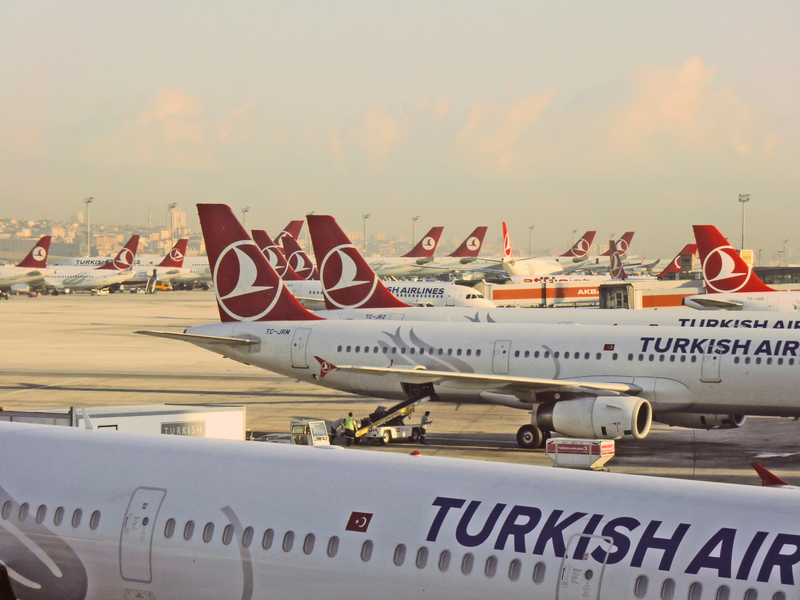
Turkish Airlines operates to more than 350 destinations across 134 countries, and infrastructure expansion of this size signals a push to support network scale with more in-house capacity—especially in cargo and ground-side operations that can become bottlenecks during peak demand.
What we’re still waiting to learn
Key details remain unanswered, including:
-
The exact site and how it will integrate with existing airport infrastructure
-
The construction timeline and phased opening plan
-
The target capacity for cargo throughput and catering production
-
Whether the facility is designed around current demand—or sized for a major step-change in growth