Wing Damage Impacts Qantas A380’s First Flight After Six-Year Storage
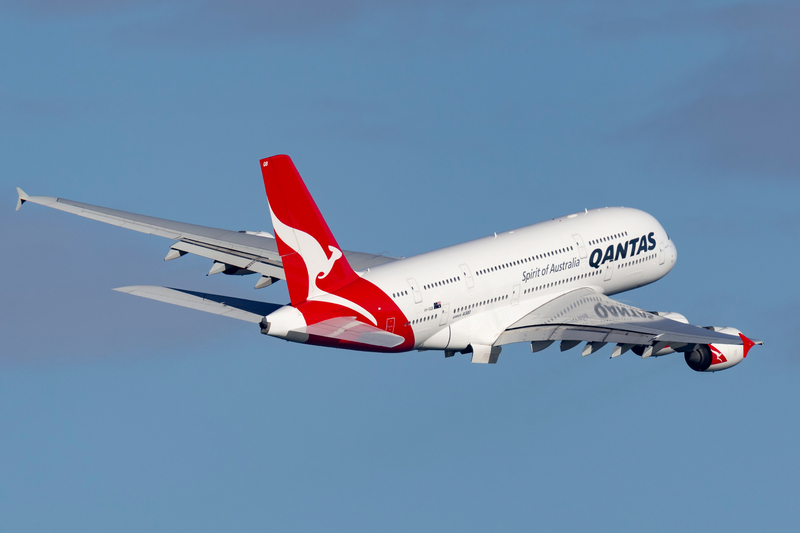
At the start of the pandemic, Qantas grounded its entire Airbus A380 fleet, and for years it wasn’t clear how many of the double-deckers would ever fly again. Over the past few years the airline has slowly brought them back, and just last week Qantas proudly announced that its final stored A380 had rejoined the fleet.
The aircraft in question, VH-OQC, is around 17 years old and had been parked for roughly six years. Before returning to service it underwent a massive heavy maintenance visit in Abu Dhabi (AUH), including:
-
More than 100,000 hours of work over nearly seven months
-
What Qantas described as the largest maintenance check in its 105-year history
-
A full program aimed at making the aircraft “service ready”
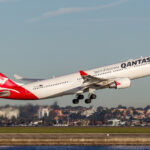
Qantas was clearly keen to showcase this as a milestone in both its engineering program and its broader fleet renewal efforts.
First Flight Back: QF11 From Sydney To Los Angeles
VH-OQC’s first passenger service back in action was QF11 from Sydney (SYD) to Los Angeles (LAX) on Sunday, December 7, 2025. Unfortunately, that comeback flight was anything but smooth.
On approach into California, the aircraft suffered damage to part of a slat on the left wing, meaning the jet effectively lost a section of its wing’s leading-edge hardware. While the aircraft landed safely, that kind of structural damage is serious and immediately took the jet out of service at LAX.
Onboard: Failing TVs, Seats & Toilets
The mechanical issues weren’t the only problem. According to passenger accounts shared on social media – including from Lynn Gilmartin on Instagram, who was onboard – the cabin experience was also rough:
-
Many seatback screens reportedly weren’t working
-
Some seats allegedly wouldn’t recline properly
-
A number of toilets were said to be overflowing
For a flagship aircraft that had just been through a record-setting maintenance check, that’s not the kind of first outing Qantas would have wanted.
Grounded Again In Los Angeles
Following the flight, the return sector QF12 from Los Angeles back to Sydney was cancelled, and VH-OQC has been grounded at LAX while engineers work through both the wing damage and the reported cabin issues.
There’s no public timeline yet for when the aircraft will reenter service. Fixing a damaged slat section is not a quick cosmetic job – it requires parts, inspections, and likely additional checks of the surrounding structure and systems.
How Worried Should Passengers Be?
On one level, this is plainly embarrassing for Qantas. Just days after issuing a press release celebrating an enormous maintenance effort, the aircraft’s very first revenue flight produced:
-
Visible structural damage to the wing, and
-
Multiple cabin faults that passengers immediately noticed
It naturally makes people uneasy – especially when the narrative is “six years in storage, 100,000 hours of work, and then a chunk of wing comes off.”
At the same time, this is exactly why aviation maintenance is so thorough and regulated. Heavy checks involve:
-
Pulling apart and reassembling major systems
-
Replacing and testing components that haven’t been used in years
-
Running layers of inspections, sign-offs, and test flights
Most aircraft that go through long-term storage and heavy checks return to service without any issues at all – which is precisely why this particular case is newsworthy.
Whether this incident points to:
-
A specific error in the Abu Dhabi maintenance work,
-
A part failure that couldn’t reasonably have been anticipated, or
-
Just a very ugly coincidence on the first flight…
…will ultimately be a question for Qantas, regulators, and potentially the aircraft and maintenance providers involved.
Bottom Line
Qantas spent nearly seven months and over 100,000 hours preparing A380 VH-OQC to return from six years of storage, calling it the biggest maintenance check in the airline’s history. On its very first passenger flight back, the aircraft suffered damage to a wing slat on approach to Los Angeles and reportedly had multiple cabin systems acting up, from broken entertainment screens to malfunctioning seats and toilets.
The jet is now grounded in Los Angeles while repairs and inspections are carried out, and the much-publicized “triumphant return” has turned into an awkward setback. Incidents like this are rare – which is why they get so much attention – but they’ll understandably shake passenger confidence in this particular airframe until Qantas can demonstrate that the issues have been fully understood and resolved.