Virgin Atlantic Brings the A350-1000 to Tampa for a Two-Week Capacity Surge
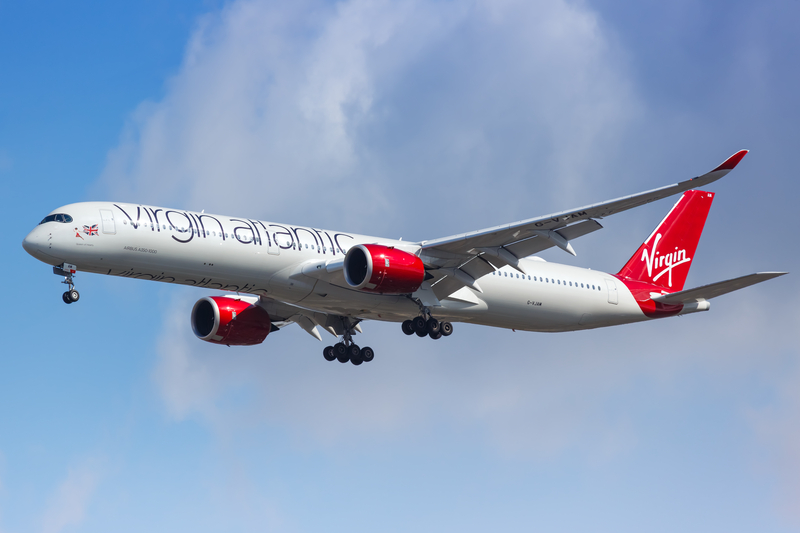
Virgin Atlantic is quietly giving its London Heathrow–Tampa corridor a meaningful upgrade next spring, scheduling its flagship Airbus A350-1000 on the route for just over two weeks. For travelers between London Heathrow (LHR) and Tampa (TPA), the swap matters: it adds seats, shifts cabin dynamics, and changes the onboard product in ways frequent flyers will notice.
A Short, Targeted Upgauge on LHR–TPA
Virgin Atlantic currently operates daily nonstop service between London Heathrow (LHR) and Tampa (TPA). For a limited window—from March 29, 2026 through April 14, 2026—the airline plans to operate the route with the Airbus A350-1000 instead of its usual Airbus A330neo family aircraft.
The planned schedule (local times) is:
-
VS129: LHR 10:40 → TPA 15:30
-
VS130: TPA 17:30 → LHR 07:15 (+1 day)
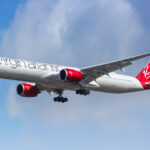
This is a classic “surgical” upgauge: short enough to fit around fleet rotations and maintenance plans, but long enough to capture a high-demand period.
Why the A350-1000 Move Is Significant
Virgin Atlantic’s A350-1000 is a different animal from the A330neo it most commonly uses on TPA:
-
A350-1000 capacity: 335 seats
-
A330-900neo capacity (typical Virgin config): 262 seats
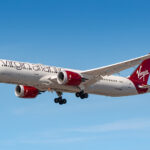
That’s +73 seats per flight, or +146 seats per day across both directions—real volume on a route that already runs daily.
The premium cabin mix is where it gets interesting. Virgin’s A350-1000 layout is 44 Upper Class, 56 Premium, and 235 Economy—a heavy premium footprint for a leisure-leaning Florida market, and a hint that the airline expects strong demand in high-yield cabins (or expects to fill them with upgrades and corporate/leisure blends).
What Changes for Passengers Onboard
Aircraft swaps aren’t just about seat count—they change the entire feel of the flight.
Cabin geometry matters:
-
On Virgin’s A350-1000, Economy is typically 3-3-3, which creates more “true” middle seats across the cabin.
-
On the A330-900neo, Economy is typically 2-4-2, which many couples prefer because it offers more two-seat pairs by the windows.
Upper Class experience is different, too:
-
Virgin markets “The Loft” social space on A330neo and selected A350 aircraft, so flyers may still see that hallmark lounge-style area depending on which A350 frame operates LHR–TPA on a given day.
-
Seat maps and onboard amenities can vary subtly between subfleets, so anyone booking specifically for a favorite seat type (or traveling as a pair in Upper Class) should check the aircraft assignment close to departure.
The A350 advantage is still real:
Even when seat style is subjective, the Airbus A350 platform is widely valued by operators for long-haul economics and by many travelers for its modern long-range design. On a westbound LHR–TPA sector, that typically translates into a quieter widebody ride and a more “long-haul flagship” feel than some older twin-aisles.
Why Tampa Is a Logical Place to Add Widebody Capacity
Tampa (TPA) has become a more serious long-haul market than many casual observers realize. The region’s demand drivers are unusually diverse for Florida:
-
A large leisure base (including cruise traffic and vacation travel)
-
Strong visiting-friends-and-relatives flows
-
A steady mix of business travel tied to finance, healthcare, and defense-adjacent industries across the Gulf Coast
That mix tends to peak in spring—exactly when Virgin is planning the A350-1000 deployment from London Heathrow (LHR).
Bottom Line
Virgin Atlantic is planning a two-week-plus upgauge on its daily London Heathrow–Tampa service, scheduling the Airbus A350-1000 on LHR–TPA from March 29 through April 14, 2026. The move adds 73 seats per flight versus the airline’s typical A330neo operation, and it subtly changes the onboard experience—especially in Economy seating layout and (potentially) Upper Class cabin features depending on the assigned A350.