United Sends Its First Boeing 777 To The Desert After Three Decades Of Service
A Historic 777 Heads For The Desert
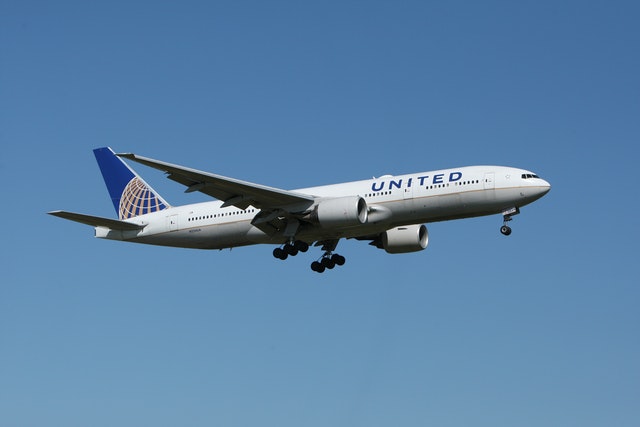
United Airlines has sent its very first Boeing 777-200, registration N777UA, into storage after more than 30 years of flying. The jet, which helped launch the 777 program in the mid-1990s and has been a backbone of United’s long-haul and later high-capacity domestic network, has now been moved to Victorville’s Southern California Logistics Airport (SCLA).
While many are treating this as a farewell, it’s not yet clear whether the aircraft is permanently retired. United is reportedly parking the jet while dealing with ongoing supply chain issues related to its Pratt & Whitney engines.
A Launch Customer Workhorse
United was the launch customer for the Boeing 777 and remains the world’s largest 777 operator. N777UA played a central role in that story:
-
First test flight for Boeing: April 25, 1995
-
Delivered to United: May 15, 1995
-
Engines: Pratt & Whitney PW4077
In its early years, N777UA was used on long-haul international routes, showcasing the new widebody’s range and efficiency. As newer aircraft like the 777-300ER and 787 joined the fleet, the -200s gradually shifted toward:
-
High-demand domestic trunk routes
-
Hawaii services
-
Short- and medium-haul international flights
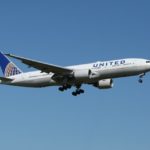
United’s 777-200s are now in a dense, domestic-focused layout, with up to 364 seats across three cabins:
-
28 United First
-
102 Economy Plus
-
234 Economy
N777UA’s Final Week Of Scheduled Flying
In its final days of service, N777UA was still working hard across the network, mainly on domestic and leisure-heavy routes. In its last week, the aircraft flew:
-
Los Angeles – Chicago O’Hare
-
Chicago – Cancun – Chicago
-
Chicago – Denver – Kahului – Denver
-
Denver – Washington Dulles
-
Washington Dulles – San Francisco – Washington Dulles
-
One last Washington Dulles – San Francisco rotation on November 28
The aircraft’s final flight took place on November 29, operating from San Francisco to Victorville. It departed SFO at 11:05 and landed in the Mojave Desert at 11:52, where it was parked for storage.
Storage, Engines, And An Uncertain Future
Officially, N777UA is now listed as “withdrawn from use,” but that doesn’t necessarily mean it’s instantly headed for the scrapyard. Multiple reports suggest the aircraft has been moved to storage while United contends with a shortage of parts and support for the aging Pratt & Whitney PW4000 engine family.
Key factors at play:
-
Pratt & Whitney no longer produces the PW4000 engines, and support is more limited than in the past.
-
Engine maintenance and parts availability have become increasingly challenging and expensive.
-
United has already parked several 777-200s due to these ongoing engine and supply chain issues.
Victorville, with its dry desert climate, is a common storage and teardown location. The low humidity helps prevent corrosion, making it ideal for long-term parking and parts harvesting. From here, N777UA could:
-
Return to service if engines and economics justify it, or
-
Be parted out to support the rest of United’s PW4000-powered 777 fleet.
United’s Widebody Future
Even if N777UA were brought back, the writing is on the wall for United’s older 777s. The airline is in the middle of one of the biggest fleet renewal programs in the world, with a long-term plan that includes:
-
Gradually retiring 767s and 777-200 / 777-200ERs
-
Adding large numbers of Boeing 787-9s and 787-10s to replace older widebodies
-
Eventually introducing Airbus A350-900s to take over from internationally configured 777-200ERs
Today, United’s widebody fleet includes:
-
Boeing 767-300 and 767-400
-
Boeing 777-200, 777-200ER, 777-300ER
-
Boeing 787-8, 787-9, 787-10
On the narrowbody side, the airline continues to modernize with more 737 MAX variants and Airbus A321neos and A321XLRs on order.
N777UA’s trip to Victorville is symbolic: the first 777 United ever flew is now giving way to a new generation of aircraft with more efficient engines, lower emissions, and more modern cabins.
Bottom Line
After more than 30 years of service, United’s first Boeing 777-200, N777UA, has operated what appears to be its final passenger flights and is now in storage at Victorville. The jet helped launch the 777 program, supported United’s early long-haul ambitions, and later became a high-capacity domestic workhorse.
For now, the aircraft is parked rather than formally scrapped, reportedly due to ongoing Pratt & Whitney engine support issues. Whether it ever flies again or ends up as a parts donor, its move to the desert marks the beginning of the end for one of United’s most historically significant widebodies.