United Express And Volaris Jets Separate After TCAS Alerts Out Of Houston (IAH)
Two commercial aircraft narrowly avoided a midair collision shortly after departing Houston George Bush Intercontinental Airport (IAH) on December 18, after one jet made an unexpected turn that put it into the other aircraft’s flight path.
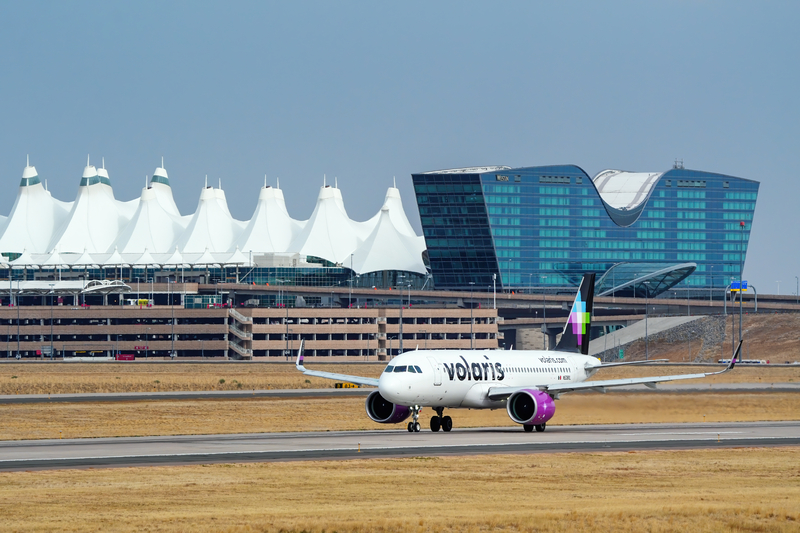
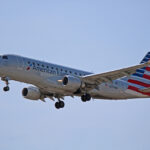
The incident involved a United Express Embraer ERJ-145XR operating a flight to Jackson, Mississippi (JAN) and a Volaris Airbus A320neo bound for El Salvador (SAL). Air traffic control (ATC) issued urgent corrective instructions, and both aircraft received Traffic Collision Avoidance System (TCAS) alerts that prompted immediate crew responses. Both flights continued safely to their destinations, and the FAA has confirmed it is reviewing the event.
What Happened After Takeoff From Houston (IAH)
Based on ATC audio that has circulated publicly and subsequent reporting, both aircraft were departing IAH on separate routings when the Volaris jet made a turn that did not align with the clearance it was expected to fly.
That unauthorized or incorrect maneuver placed the A320neo into a developing conflict with the United Express ERJ-145XR. Controllers quickly recognized the convergence and issued vectors to restore separation. At the same time, onboard collision-avoidance logic provided automated warnings to the flight crews, giving them critical seconds to respond.
Why A “Wrong Turn” Can Become Dangerous Fast
The first minutes after departure are among the most workload-heavy phases of flight. Crews are busy managing:
-
Initial climb performance and speed changes
-
Navigation setup and lateral tracking (often via a SID)
-
Rapid-fire ATC instructions and frequency changes
-
Autopilot and flight director modes that can change quickly if inputs are incorrect
When an aircraft turns the wrong way at low altitude—especially near a major hub like IAH—the geometry can deteriorate quickly. There’s little time, limited vertical separation, and high traffic density, which is why strict adherence to cleared headings and departure procedures is so critical.
How TCAS Helped Prevent A Catastrophic Outcome
TCAS is designed to act as a last line of defense when aircraft get too close. It can issue:
-
Traffic Advisories (TA): “Traffic, traffic” alerts that increase crew awareness
-
Resolution Advisories (RA): climb/descend commands intended to re-establish safe separation
In most jurisdictions and airline SOPs, pilots are expected to follow RAs immediately, even if they temporarily conflict with ATC instructions, because TCAS is responding to real-time closure rates and relative altitude data. In this case, TCAS alerts—paired with rapid controller intervention—helped avoid a worst-case scenario.
Bottom Line
A United Express ERJ-145XR to JAN and a Volaris A320neo to SAL came uncomfortably close after departing IAH on December 18 when an unexpected turn created a conflict. Quick ATC vectors and TCAS-driven crew reactions prevented an accident, and the FAA is now reviewing what led to the breakdown—an incident that underscores just how thin safety margins can be in the departure corridor of a busy hub.