Uniform, Badge, Boarding Pass: The Batik Air Impostor Flight That Ended in Arrest
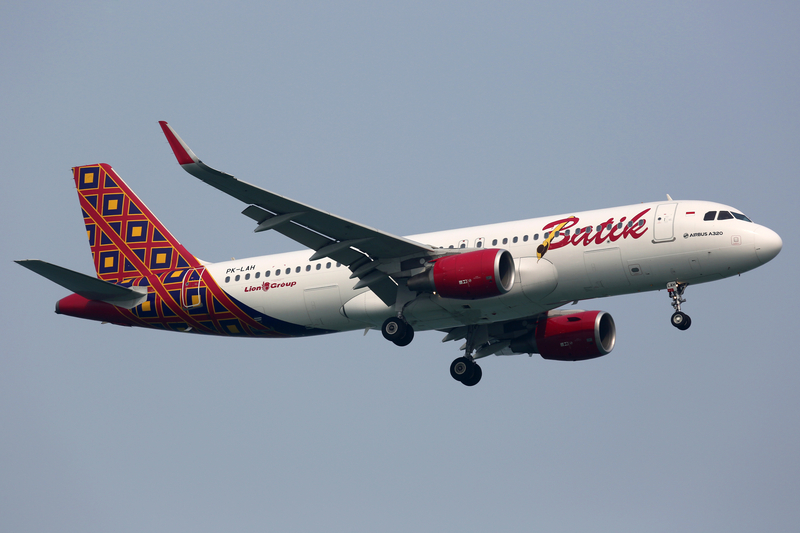
Batik Air’s domestic shuttle between Palembang (PLM) and Jakarta (CGK) is the kind of routine sector crews operate on autopilot—high frequency, predictable block times, and the familiar cadence of a short-haul turn. That’s exactly why what happened on Batik Air flight ID7058 on January 6, 2026, has gotten so much attention across the region’s aviation community.
A 23-year-old passenger boarded ID7058 at Sultan Mahmud Badaruddin II Airport (PLM) wearing what appeared to be a full Batik Air cabin crew uniform—right down to an airline-style ID badge. She wasn’t jumpseating, repositioning, or deadheading. She had purchased a ticket and was traveling as a regular passenger. The problem wasn’t the boarding pass. It was the credibility implied by the uniform and, more critically, the badge.
According to reporting in Asia, the cabin crew’s suspicions were triggered mid-flight when small details didn’t add up. When engaged in conversation, the woman reportedly couldn’t answer basic questions a working crew member would be expected to know. By the time the aircraft arrived in Jakarta (CGK), authorities were waiting.
Why This Crossed a Red Line for Aviation Security
Airlines are used to passengers wearing branded merchandise—caps, t-shirts, even imitation “pilot” costumes around Halloween. Most of that is harmless, if occasionally cringe-inducing. What makes the PLM–CGK incident materially different is the attempt to present as operational staff.
A cabin crew uniform is not just aesthetic. It’s a safety role indicator. In a real emergency, passengers are conditioned to follow the person who looks like they belong. The wrong person in that visual authority lane creates risk, even if they never leave their seat.

Then there’s the ID badge. In many airports worldwide, airline IDs (and the behavior they signal) can change how people interact with you—faster problem-solving at the gate, less scrutiny from other passengers, and sometimes even informal deference from stressed frontline staff. And while nothing public suggests this passenger used staff screening channels or accessed restricted areas, the mere presence of a convincing “airline ID” forces airports and carriers to treat the event as more than a weird social-media stunt.
In simple terms: a uniform can confuse people; a badge can compromise systems.
The Aircraft Context: Why an A320 Cabin Makes Impersonation Hard to Hide
ID7058 is regularly operated by the Airbus A320, a workhorse type across Southeast Asia—fast turns, high utilization, and cabin layouts typically in the 150–180 seat range depending on configuration.
For anyone who’s worked an A320-family cabin, the part that stands out is how quickly a non-crew member would be exposed once the operation starts moving:

-
Cabin flow is procedural. Even on a short sector like PLM–CGK, crew routines are repetitive: door arming/disarming discipline, cross-checks, callouts, galley positioning, and passenger management.
-
The “language” of crew is hard to fake. Real cabin crew don’t just know the airline; they know the rhythm—where to stand, what to scan for, which interactions are normal, and which aren’t.
-
Uniform details matter more than the internet thinks. Airlines update garments, name tags, epaulets, scarf styles, and ID formats constantly. Cabin crew notice what passengers miss.
On an A320, you also don’t have much room to disappear. Everyone shares the same aisle space, the same galleys, and the same pinch points during boarding and deplaning. If someone is dressed as crew but behaving like a passenger, it becomes obvious quickly—especially to the people trained to spot out-of-place behavior for a living.

The Motive Wasn’t Sophisticated, but the Implications Are Real
Investigators reportedly concluded the motive was personal rather than criminal: the woman had allegedly applied for a Batik Air cabin crew role, didn’t get hired, and then tried to maintain the appearance—at least to family—of having landed the job. She later issued an apology acknowledging she was not a Batik Air crew member.
From an airline-risk perspective, the motive almost doesn’t matter. Aviation security is built around capability and access, not intent. If the industry treats “harmless impersonation” casually, it creates a playbook for someone else with less benign goals.
For carriers, this incident is also a quiet reminder that uniform control is part of brand protection and operational security. The more easily authentic-looking uniforms and badges can be replicated, the more pressure shifts onto frontline staff to detect anomalies—and onto airport security to ensure credentials are truly validated, not just visually accepted.
Bottom Line
A passenger boarding Batik Air ID7058 from Palembang (PLM) to Jakarta (CGK) in a convincing cabin crew uniform is strange. Showing up with a realistic airline-style ID badge is what makes it serious.
The crew did what well-trained crews are supposed to do: notice what doesn’t fit, probe calmly, and escalate discreetly. The incident ended with an arrest on arrival at Jakarta (CGK), but the more important takeaway is operational: uniforms and IDs are not props in aviation. They’re part of the trust architecture that keeps an orderly cabin and a secure system functioning—especially on high-frequency A320 routes where everyone is moving fast and assumptions are easy.